




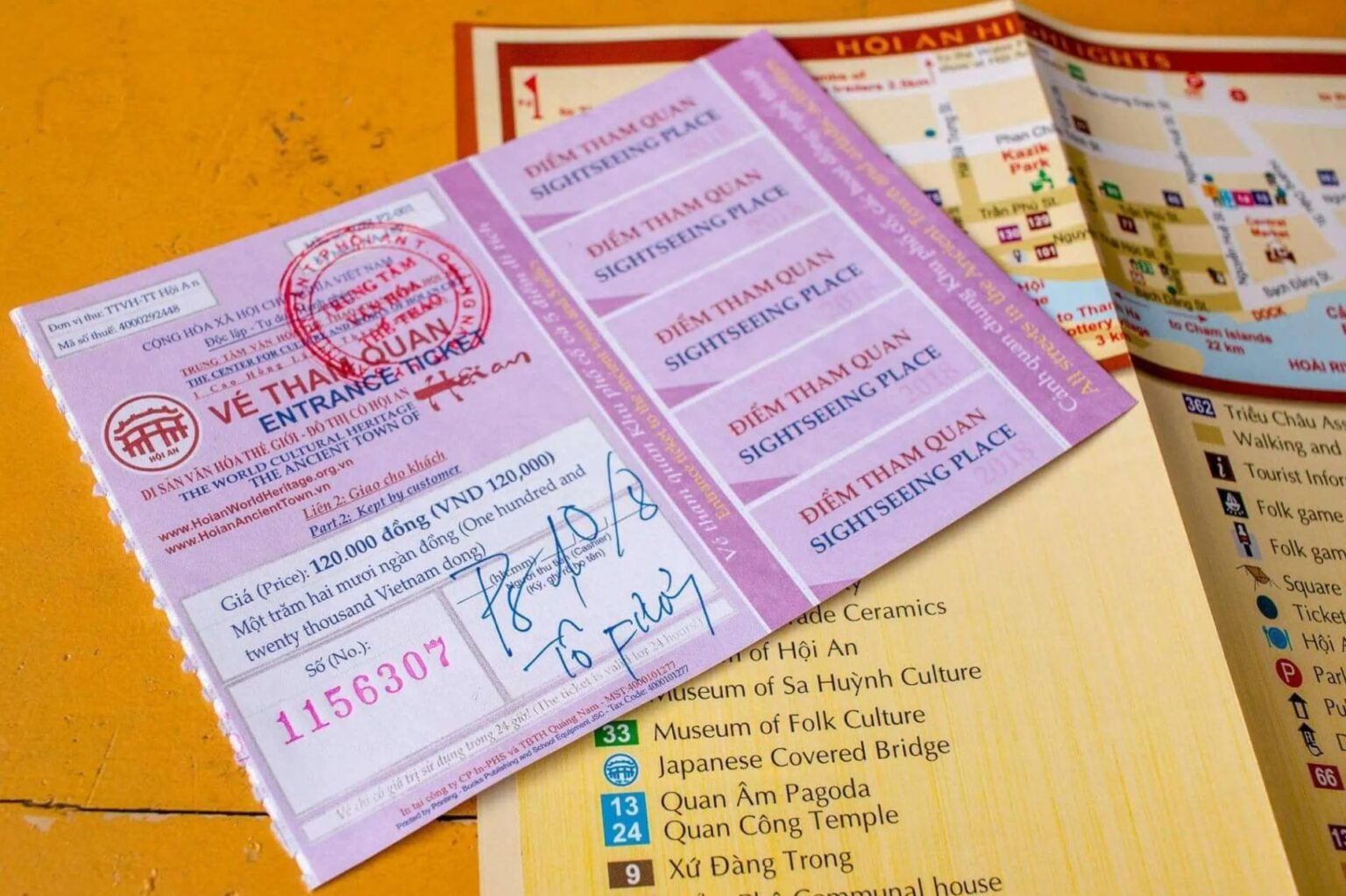
Last summer, I spent a few wonderful days in Hoi An with an Ancient Town ticket in my hand. I almost didn’t buy one, thinking the lantern-filled streets and riverside cafés would be enough to keep me happy. But I’m glad I did. Some of my favourite discoveries were places I would otherwise have walked straight past. Here’s how I got on with the ticket, what it included, and what I’d do differently next time.
- Do you need a ticket in Hoi An?
- How much is the Hoi An Ancient Town ticket?
- Where to buy Hoi An Ancient Town tickets
- What’s included in the Hoi An ticket? The places I’d actually visit
- Japanese Covered Bridge: beautiful, but don’t spend your whole morning here
- Fujian Assembly Hall: the place I’d give more time
- Tan Ky Old House: don’t judge it from the doorway
- Museum of Trade Ceramics: the stop I wouldn’t leave until last
- There’s more to the historic buildings
- Is it cheaper to buy individual tickets or a combined ticket?
- What I’d do differently with a Hoi An Ancient Town ticket
- So, would I buy the Hoi An Ancient Town ticket again?
- FAQs about Hoi An Ancient Town tickets
Do you need a ticket in Hoi An?
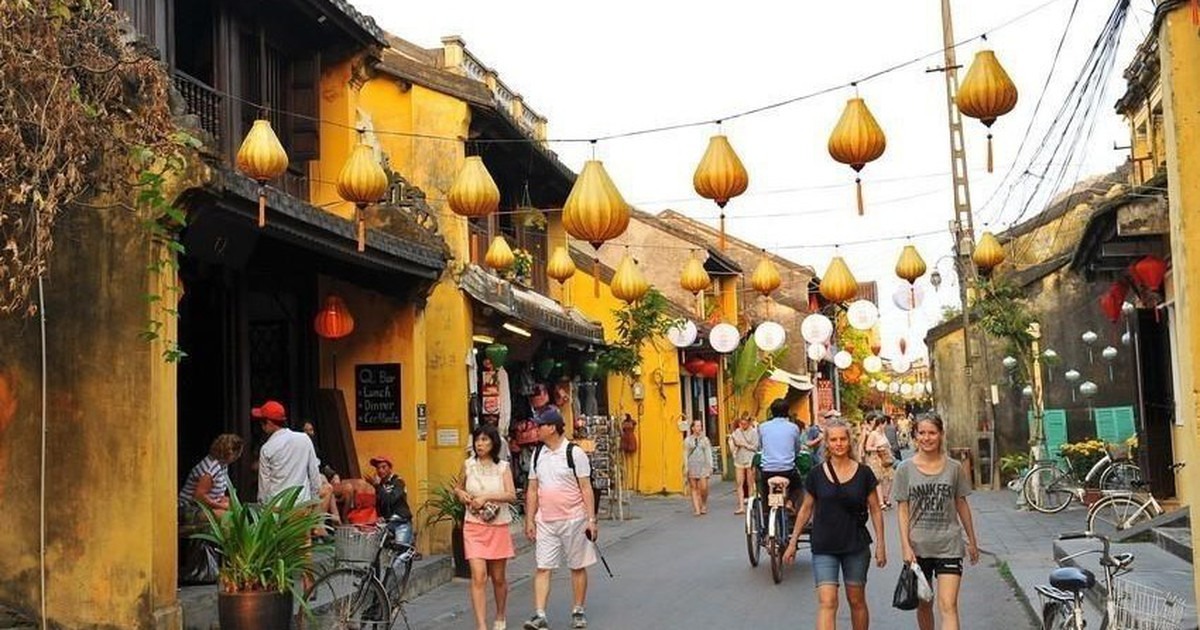
No, but I would recommend you to buy it. You can usually wander around Hoi An’s streets, browse the shops, eat at restaurants and take photographs without being asked to show a ticket. However, the heritage authority officially requests that visitors buy admission before entering the Ancient Town, and you’ll need a valid ticket to visit designated historic buildings.
This confused me at first. Unlike a museum or an archaeological park, Hoi An doesn’t have one obvious entrance where everybody queues up. It’s a living town, with cafés squeezed between centuries-old buildings, souvenir shops spilling onto the pavements and residents cycling through narrow streets.
I didn’t want to leave Hoi An having seen only its prettiest streets. I wanted to know a little more about the people who had lived and traded here, and how this small riverside town had become such a fascinating mixture of cultures. So I decided to buy the Hoi An Ancient Town ticket and see where it would take me.
Read more: 3 Days in Hoi An: The Perfect First-Time Itinerary
How much is the Hoi An Ancient Town ticket?
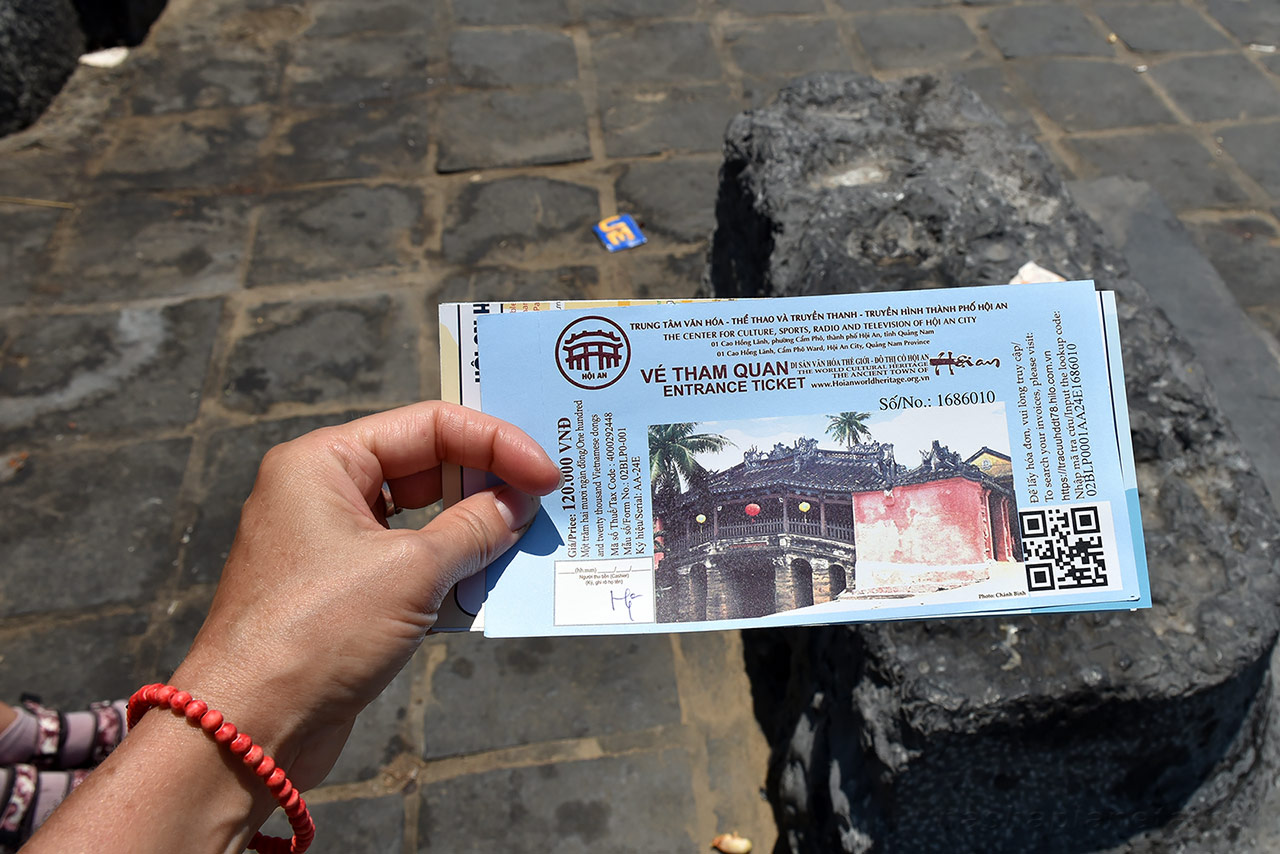
Hoi An’s published combined-ticket prices are 80,000 VND and 120,000 VND. Both offer access to selected heritage attractions, though the number and type of places you can visit differ.
| Ticket | Price | What’s included |
| 3-site ticket | 80,000 VND | Japanese Covered Bridge or Quan Cong Temple + 2 other sites |
| 5-site ticket | 120,000 VND | Japanese Covered Bridge or Quan Cong Temple + 1 museum + 3 other sites |
I bought the 5-site option because I wanted to see a mixture of old houses, temples and museums rather than spending the entire trip on the streets. And there’s another reason I didn’t mind paying: ticket revenue contributes to the conservation of Hoi An’s heritage. Considering how much of the town’s character depends on those old buildings surviving, that seemed a pretty good use of my money.
Do children and students get free admission?

Under the 2026 regulations, children under 16 are exempt from heritage sightseeing fees, including international visitors. A friend of mine was travelling with her two children, luckily, both children were under 16, so they qualified for free admission.
It’s one of those little details that’s easy to overlook when planning a family holiday. I’d recommend carrying proof of age for children and a student card for older school pupils, particularly if they’re studying outside Vietnam.
Where to buy Hoi An Ancient Town tickets

I bought mine at an official ticket counter near the entrance to the historic centre, after wandering around for a while and deciding which attractions I wanted to see. The process was straightforward, and I didn’t need to join a guided tour.
You’ll find official ticket counters around the main approaches to the Ancient Town, including the Tran Phu, Nguyen Thai Hoc and Le Loi areas. If you’re already exploring and can’t find one, ask the staff at a heritage attraction to point you towards the nearest authorised counter.
One little tip: bring some Vietnamese dong. Electronic payment may be available, but I always find it easier to have cash ready for smaller tickets and local attractions. I was also given a useful reminder to keep my ticket after the first visit. With the traditional combined ticket, you have a limited number of heritage entries, so you’ll need to retain it for the remaining stops. And don’t be tempted to throw away the stub once you’ve finished visiting the buildings. The heritage centre advises keeping it for access to the Ancient Town during the ticket’s validity period.
What’s included in the Hoi An ticket? The places I’d actually visit
The Hoi An Ancient Town ticket isn’t an unlimited sightseeing pass like the tourist passes you might find in some other cities. You choose a limited number of heritage attractions from a larger collection of historical sites.
Depending on the ticket structure available, the eligible attractions include:
- Bridges and temples: Japanese Covered Bridge, Quan Cong Temple.
- Chinese assembly halls: Fujian, Cantonese, Trieu Chau and Hainan assembly halls.
- Ancient houses: Tan Ky, Phung Hung, Quan Thang and Duc An.
- Family chapels: Tran Family Chapel, Nguyen Tuong Family Chapel.
- Communal and heritage buildings: Cam Pho Communal House, Minh Huong Communal House and other designated monuments.
- Museums: Museum of Trade Ceramics, Museum of Folk Culture, Museum of Sa Huynh Culture, Hoi An Museum and Museum of Traditional Medicine.
- Cultural venues: Traditional Art Performance House and Japanese Culture Gallery.
This is a guide to the main heritage attractions, not a guarantee that every venue is open or included under the same admission arrangement on your visit. Check the current list when purchasing your ticket.
With so many choices, I was initially tempted to squeeze in as much as possible. But the places that stayed with me weren’t necessarily the biggest or most famous. They were the ones where I actually stopped long enough to notice something interesting.
Japanese Covered Bridge: beautiful, but don’t spend your whole morning here

The Japanese Covered Bridge was my first stop, partly because it seemed impossible to visit Hoi An without seeing its most recognisable landmark.
I’d already admired it from the street, but getting a closer look at the tiled roof, timber structure and small shrine inside was still worthwhile. The bridge is associated with the Japanese merchant community that once lived in Hoi An, a reminder of just how international this little trading town used to be. What surprised me most was how compact it was. In photographs, the bridge somehow looks grander, but in reality, it’s a relatively small historic structure.
I enjoyed visiting it, although I wouldn’t plan an entire morning around it. Much of its beauty can be appreciated from outside, and if you’re expecting an elaborate exhibition, you might feel a little underwhelmed. For me, it worked best as a short introduction to Hoi An’s history before heading deeper into the old merchant streets.
Fujian Assembly Hall: the place I’d give more time
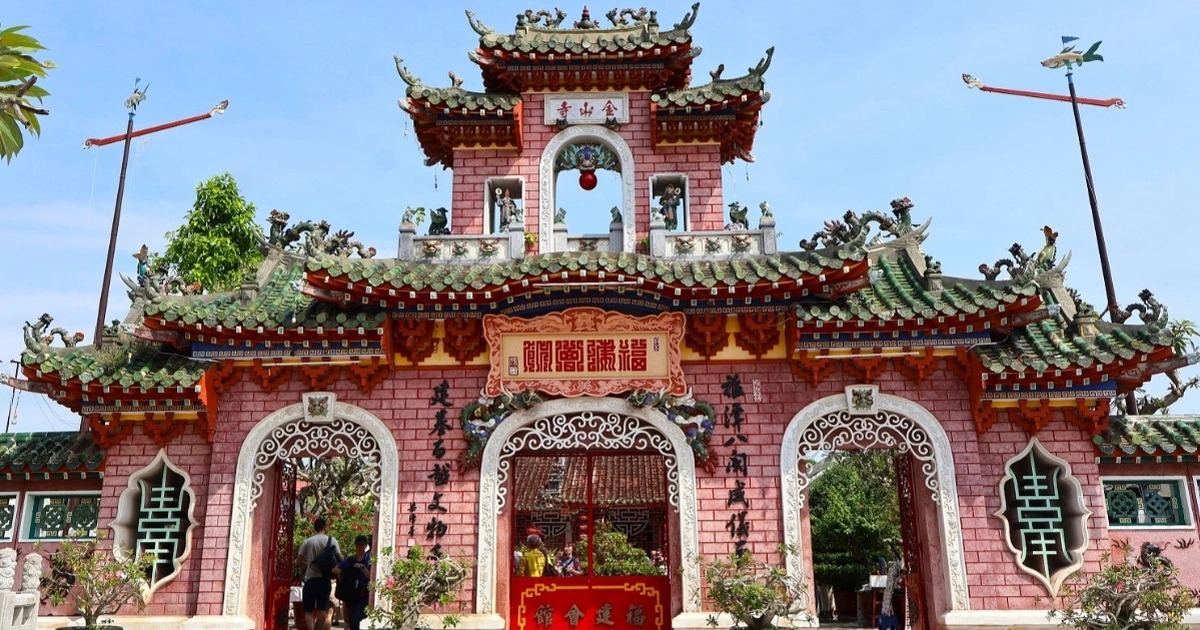
Fujian Assembly Hall, or Phuc Kien Assembly Hall, was where I really started appreciating the ticket.
Even the entrance was enough to make me stop and stare. Its colourful roof decorations and elaborate gateway are impressive, but the courtyards inside are even more memorable. I remember looking upwards at the hanging incense coils and realising I’d spent most of my time in Hoi An looking straight ahead at the pretty shopfronts. There was so much detail above me that I’d probably have missed if I’d been rushing.
The hall was built around the religious and community traditions of Hoi An’s Chinese merchant population. Its ornate decorations, altars and ceremonial spaces feel worlds away from the busy shopping streets outside. This was one of those places where I wished I’d allowed more time. I had other stops planned, but I could easily have lingered in the courtyard a little longer.
If you’re choosing between several Chinese assembly halls, I’d recommend visiting one or two properly rather than trying to see every single one. Unless you’re especially enthusiastic about architecture, they can begin to blur together after a while.
Tan Ky Old House: don’t judge it from the doorway
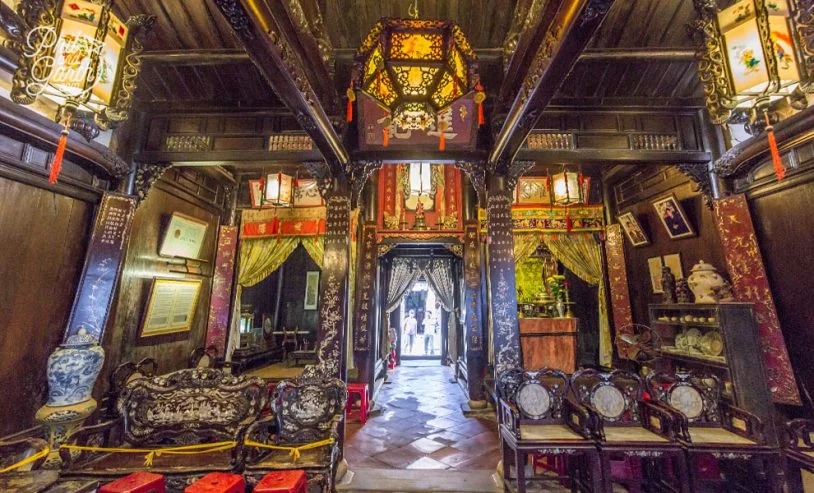
Tan Ky Old House almost fell victim to my terrible habit of judging attractions by their entrances. From the street, it didn’t look particularly dramatic. There was no grand courtyard or towering gateway, just another traditional wooden building tucked among Hoi An’s busy shops.
The house gives you a glimpse of how a prosperous merchant family once lived and worked, with beautiful timber details and spaces arranged around the practical needs of family life and commerce. What fascinated me was how the building connected to the town outside. Hoi An still has so many shops and family businesses, and here was a reminder that trade has been part of its identity for centuries. It wasn’t the sort of attraction where I wanted to take a hundred photographs. I enjoyed it more when I slowed down and paid attention to the architecture.
If old houses aren’t usually your thing, you probably don’t need to visit several of them. But I’d encourage you to choose at least one. They’re an important part of what makes Hoi An different from a town that’s simply full of old-looking buildings.
Museum of Trade Ceramics: the stop I wouldn’t leave until last
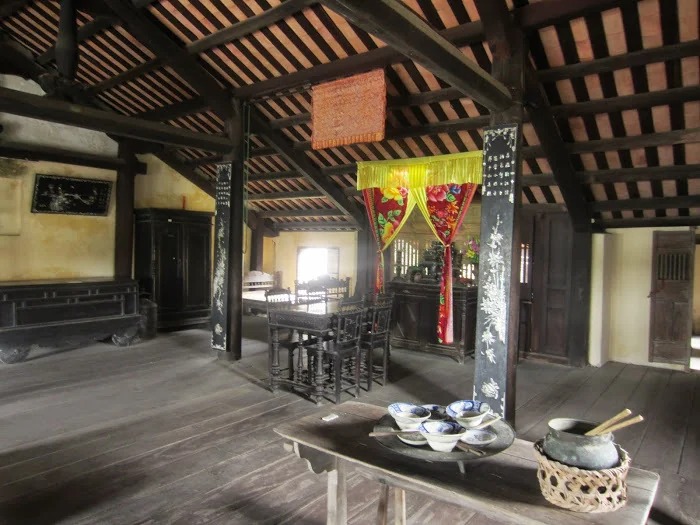
I’ll admit that the Museum of Trade Ceramics wasn’t the attraction I was most excited about. When you’re surrounded by colourful temples, lantern shops and inviting cafés, a ceramics museum doesn’t exactly sound like the most thrilling way to spend an afternoon.
The museum explores the trading connections that brought merchants and goods to this part of Vietnam. Seeing the ceramics and learning about those networks helped me make sense of the Japanese Covered Bridge, Chinese assembly halls and merchant houses I’d already visited.
It was as though the different pieces of Hoi An’s history were finally coming together. My regret? I should have visited the museum first. Having that background knowledge earlier would have made the other attractions even more interesting. Instead, I spent part of the visit thinking back to things I’d seen that morning. If you’re planning your own route, I’d consider starting here before exploring the temples and traditional houses.
There’s more to the historic buildings
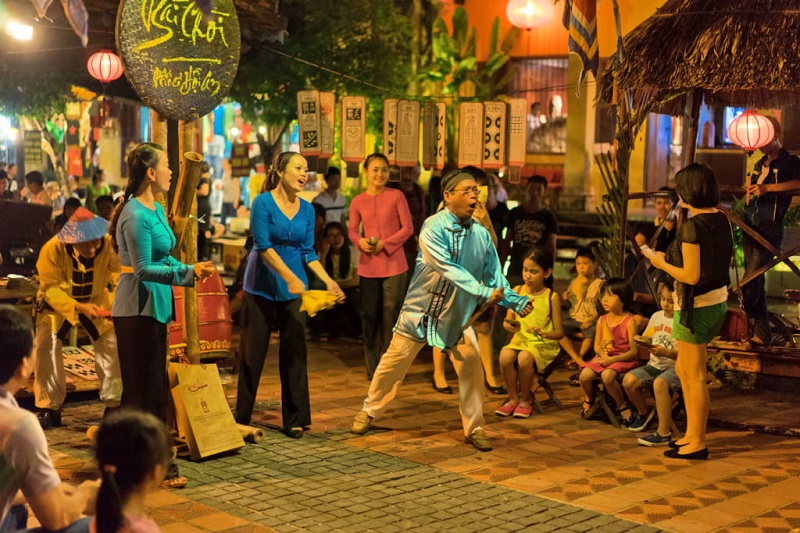
One of the nicest surprises was discovering that the ticket wasn’t just about entering old buildings. The heritage centre’s traditional ticket programme also includes certain cultural performances and activities.
I was particularly curious about Bai Choi, a traditional Vietnamese game combining music, singing and a form of bingo. Even without understanding every word being sung, it was fun watching the lively exchanges and seeing people getting involved.
The Japanese tea ceremony presentation offered a completely different experience. I liked the contrast between the playful atmosphere of the folk activities and the quiet, deliberate movements involved in preparing tea.
These experiences made the ticket feel like more than an admission pass. They gave me a glimpse of the traditions that make Hoi An’s cultural heritage feel alive rather than confined to museum displays.
According to the heritage centre’s published programme, ticket holders can also enjoy:
- Traditional art performances at 66 Bach Dang Street, scheduled for 10:15 AM, 3:15 PM and 4:15 PM.
- Japanese tea ceremony presentations at 6 Nguyen Thi Minh Khai Street, scheduled for 9:30 AM and 4:30 PM.
- Evening cultural activities, including Bai Choi, folk games, folk singing and traditional instrumental performances.
Schedules can change, so you should check the current programme before making a special trip to a venue. Basket boat rides, cooking classes, lantern-making workshops and river cruises are separate experiences with their own prices.
Is it cheaper to buy individual tickets or a combined ticket?
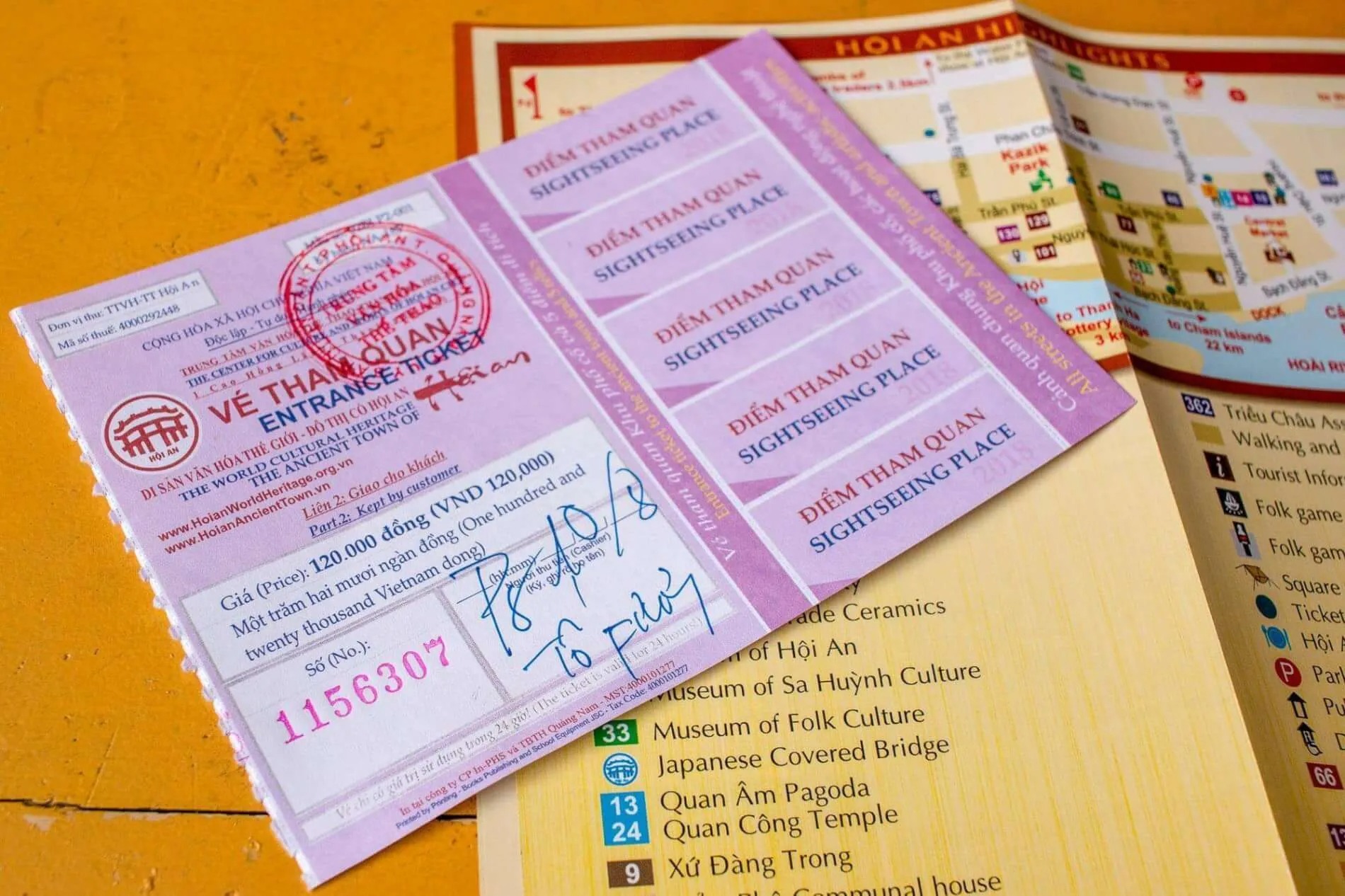
This is where I’d encourage you to check the latest arrangements rather than relying on a price quoted in an older blog. From 10 August 2026, Da Nang introduced a heritage sightseeing fee of 20,000 VND per person per building, applying equally to Vietnamese and international visitors.
At that rate, three buildings would cost 60,000 VND, while five would cost 100,000 VND. Both figures are lower than the corresponding published combined-ticket prices of 80,000 and 120,000 VND. However, the newer regulation doesn’t clearly establish whether separate 20,000 VND tickets are available at every counter. The traditional combined tickets also come with published cultural benefits, so the two arrangements shouldn’t automatically be treated as identical.
What I’d do differently with a Hoi An Ancient Town ticket
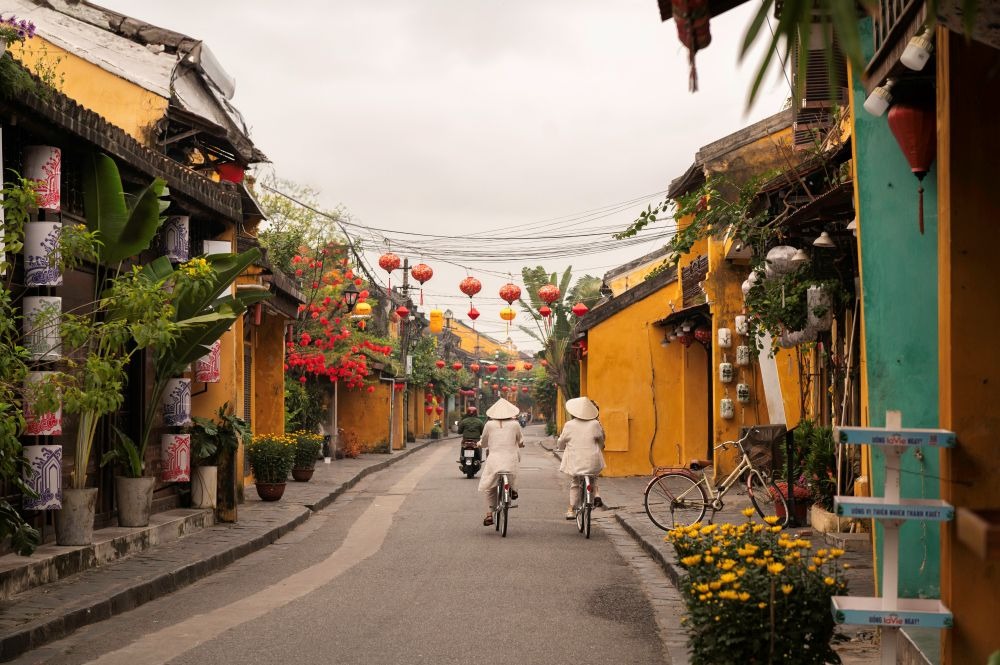
My biggest mistake was being a little too determined to use every admission on my ticket. And that was a shame, because Hoi An is wonderful when you allow yourself to get distracted. There’s always another quiet alley, an interesting shopfront or a café that looks far too inviting to pass. I remember wanting to sit beside the river for a while, but instead I kept thinking about the next heritage building I had planned.
If I visit Hoi An again, I’d do a few things differently. I’d start with a museum to understand the town’s history, then visit an assembly hall and an old merchant house. After that, I’d give myself permission to stop sightseeing for a while.
I’d also be more careful with the timing. Most heritage attractions are daytime visits, whereas the streets and riverside become especially atmospheric in the evening. Saving all the indoor attractions until sunset isn’t a great idea.
And I wouldn’t overlook a guided walking tour. I enjoyed exploring independently, but there were plenty of architectural details and historical stories I would have understood better with a knowledgeable local guide. If you book one, just check whether heritage admission is included in the tour price.
Is the Hoi An 3 day pass worth using over several days?
Looking back, spreading the visits across several days would have suited me much better. The heritage centre’s published combined-ticket rules allow admission to remain valid for the duration of your stay, up to three days. This is sometimes described as the Hoi An 3 day pass, although it’s not a separate unlimited sightseeing product. Your number of heritage-site entries remains limited, and you should confirm the validity of the ticket currently available.
If I had used the full three-day window more thoughtfully, I could have visited a couple of historic sites each morning and spent the afternoons doing whatever caught my attention. For travellers staying two or three nights, that sounds ideal. You get to explore the heritage buildings without sacrificing the slower moments that make Hoi An so enjoyable. If you’re only coming on a day trip from Da Nang, I’d be more selective. Two or three worthwhile attractions, a good meal and some time wandering around would make a much better day than trying to see everything.
So, would I buy the Hoi An Ancient Town ticket again?
Absolutely. I’m glad I went beyond the lantern-filled streets and stepped inside the buildings that tell Hoi An’s story. The ticket introduced me to a side of the town I might otherwise have missed, from the intricate decorations of Fujian Assembly Hall to the quiet interiors of old merchant houses. And the cultural activities were a lovely bonus.
But next time, I wouldn’t be so determined to use every admission as quickly as possible. I’d choose a few places I was genuinely curious about, take my time exploring them and leave the rest of the day open. After all, I didn’t fall in love with Hoi An because I managed to visit five historic buildings. It was the unexpected little moments between them that made me want to come back.
FAQs about Hoi An Ancient Town tickets
Can I walk around Hoi An Ancient Town without a ticket?
Many visitors do so without ticket checks, but the heritage authority officially requests admission purchases. Ticketed monuments require entry.
How long is the Hoi An Ancient Town ticket valid?
The published combined ticket is valid for up to three days, with limited heritage-site entries.
Can I buy a ticket online?
Electronic ticketing may be available, but buying at an official counter is a straightforward option.
Is the Japanese Covered Bridge included?
Yes, in the published combined-ticket packages. Confirm the current admission arrangement when visiting.
Is Hoi An Ancient Town free at night?
Many visitors explore the streets without ticket checks, although the official ticket request still applies.
Does the ticket include a tour guide?
Not for individual visitors. The published combined-ticket policy provides a complimentary guide for groups purchasing at least eight tickets.