




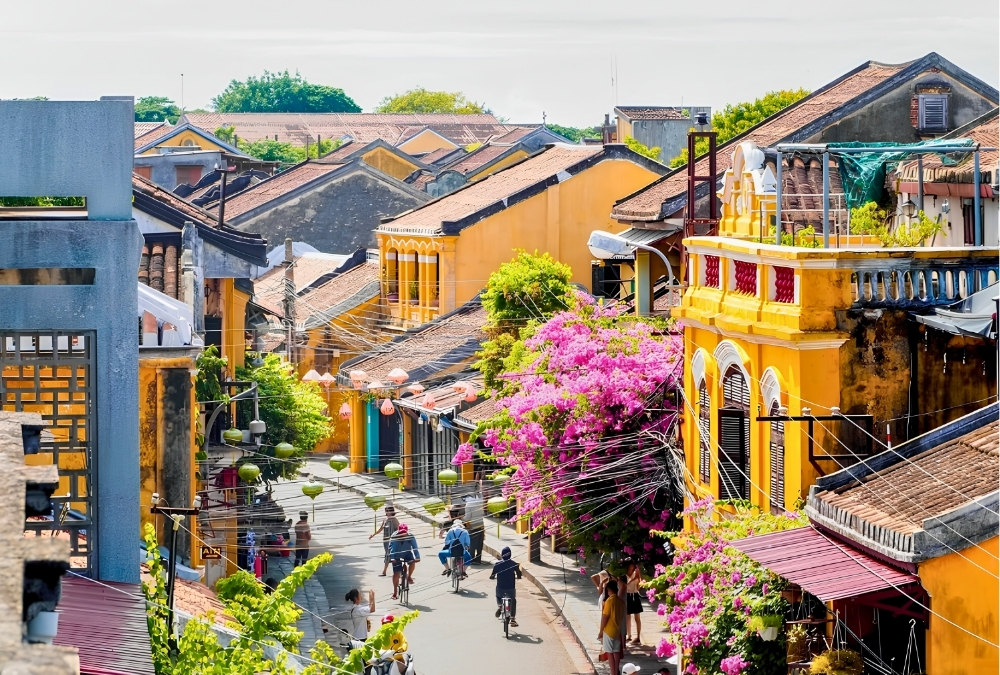
Three days in Hoi An offer enough time to experience the town beyond its famous landmarks. From the lantern-lit Old Town to quiet countryside villages and local food spots, this itinerary brings together the places and experiences that make Hoi An worth exploring. It also includes practical tips to help you make the most of each day.
3 Days in Hoi An at a glance
| Day | Main itinerary | Key experiences |
| Day 1: Explore the Old Town | Japanese Covered Bridge, Ancient House, Teochew Assembly Hall, Reaching Out Teahouse and Hoai River | Dawn walk, local banh mi, traditional architecture, Vietnamese tea and lantern boat ride |
| Day 2: Local Crafts & Cuisine | Kim Bong Carpentry Village, cooking class, Blue Eye Tailor and Cao Lau Thuong | Rice paper making, hands-on cooking, traditional woodworking, tailor fitting and cao lau |
| Day 3: Beach or Countryside | An Bang Beach or Cua Dai Beach; alternatively, My Son Sanctuary | Sunrise by the sea or Cham temple exploration, local food, final tailor fitting and a relaxed walk through the Old Town |
What you need to know before you land
- Visa: Citizens of Germany, France, Italy, Spain, the UK, Denmark, Sweden, Norway and Finland can visit Vietnam visa-free for up to 45 days until 14 March 2028. Other travellers, including those from the US, Canada and Australia, generally need an e-visa, valid for up to 90 days. Fees are USD 25 for single entry and USD 50 for multiple entries. Apply at Vietnam Immigration and check the latest requirements before travelling.
- From the airport: Hoi An has no airport or railway station, so almost everyone lands at Da Nang International Airport, about 30 km to the north. A Grab or Xanh SM car costs around 250,000-350,000 VND and takes 40 to 50 minutes. The app shows the fare before you get in, which avoids any bargaining at the curb, and hotels also sell fixed-price pick-ups for only a little more.
- Money: Cards are accepted in hotels, malls and mid-range restaurants, but markets and street stalls only take cash. The ATM just to the right of the airport arrivals exit gives a better rate than the exchange counters, and it helps to keep a stack of 5,000 and 10,000 VND notes for lanterns, drinks and parking.

- Language and manners: Many family owners speak little English, but a phone translator, a pen and a friendly point at the menu usually solve everything. Shoulders and knees should be covered in temples and assembly halls, shoes come off at homestay doors, and a helmet is expected on any bicycle or scooter. Most people find that a smile and a few words of Vietnamese are met with real warmth.
- Food allergies: Shrimp, pork and peanut oil appear in many of Hoi An’s signature dishes, often without being listed on the menu. White rose dumplings contain shrimp, and some visitors have found pork fat even in dumplings described as prawn-only. If you have any allergy, say so clearly before ordering and watch how the staff react.
Suggested 3 days in Hoi An itinerary
Day 1: Discover Hoi An’s Old Town & local food
| Time | Itinerary | Key experiences |
| 06:00 | Hoi An Ancient Town | Dawn walk and photography |
| 07:00 | Banh Mi Lanh | Local banh mi and Vietnamese coffee |
| 09:00 | Ancient House & Teochew Assembly Hall | Traditional architecture and local heritage |
| 12:00 | Banh Mi Lan | Barbecue pork with rice noodles and white rose dumplings |
| 14:30 | Reaching Out Teahouse | Vietnamese tea tasting and a quiet break |
| 17:30 | Quan An Co Eo | Cao lau, banh xeo and local dishes |
| 19:00 | Hoai River | Lantern boat ride and riverside walk |
06:00 – A dawn walk through empty streets
Set your alarm early, because the Old Town at this hour is a different place from the one you will see at noon. Shutters are rolling up, vendors are carrying baskets of herbs to the market, and the ochre walls turn gold as the light climbs. This is also the only time you can photograph the Japanese Covered Bridge without a crowd of strangers in the frame, and by the time you finish breakfast the lanes will already be filling up.
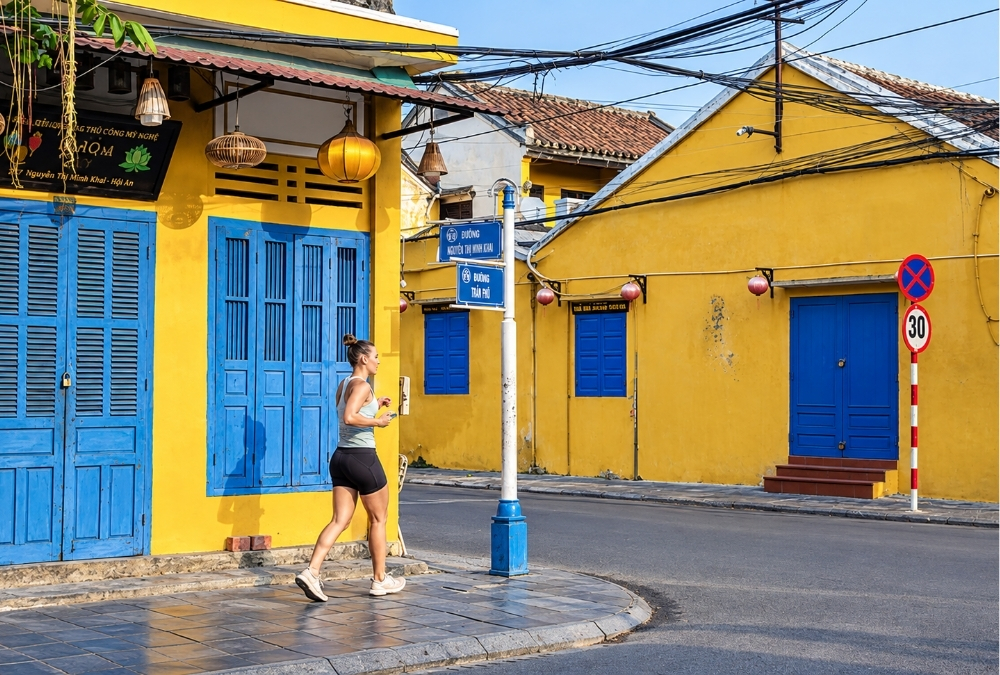
07:00 – Breakfast at banh mi Lanh
- 190 Nguyen Duy Hieu · 4.7★ (197 reviews) · 06:00-22:00 · +84 905 892 584
The best-known banh mi stall in town draws a line by 8 a.m., but this small stand a short ride east of the centre serves the same sandwich to neighbours sitting on low plastic stools. Two women work side by side, filling several sandwiches at once while fresh baguettes keep arriving from the baker. Each loaf is warmed over charcoal before it is filled, which gives the crust a crackle and a faint smokiness that reviewers describe as the detail that sets it apart.
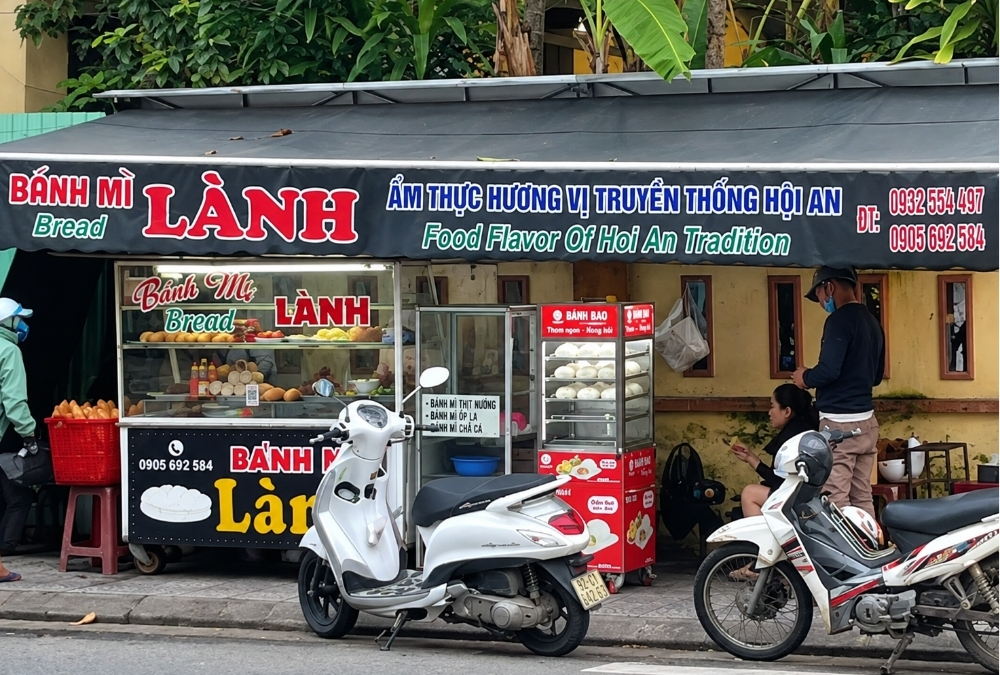
The filling most people praise is Hoi An’s own char siu, which is sweeter and smokier than the roast pork in banh mi elsewhere in Vietnam. The pate is made in-house, the herbs are piled on generously, and a spoonful of the house chilli is considered essential. Diners often shower the dishes with praise, thanks to their delicious, rich flavors and the memorable culinary experience they provide.
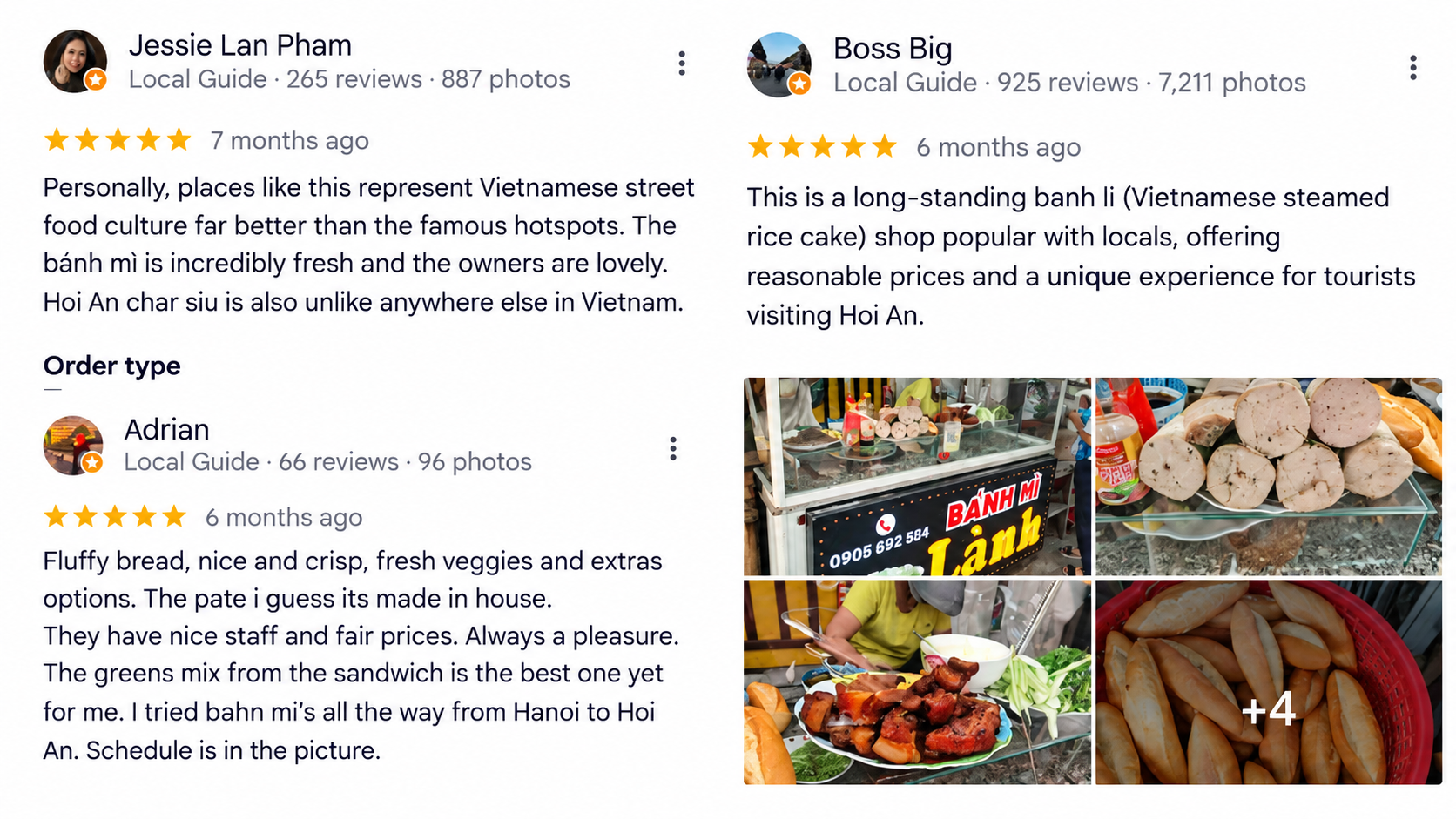
Point at the filling you want, say “co ot” if you would like chilli, and pay in cash. A small cafe two doors along serves Vietnamese drip coffee, so the two stops together make a quick and very cheap breakfast.
09:00 – Ancient House and Teochew Assembly Hall
- Ancient House, 104 Thai Phien · 4.3★ (674 reviews) · 08:00-21:00 · free entry
This home is about 250 years old and has been lived in by the same family for eight generations, so the rooms still feel like a house rather than a museum. Carved wooden beams, hanging lanterns and old household tools fill the space, and the family is happy to explain how each piece was used. A gift shop at the end sells lanterns and textiles, and the family may make a gentle pitch, so it helps to decide beforehand whether you want to buy anything.
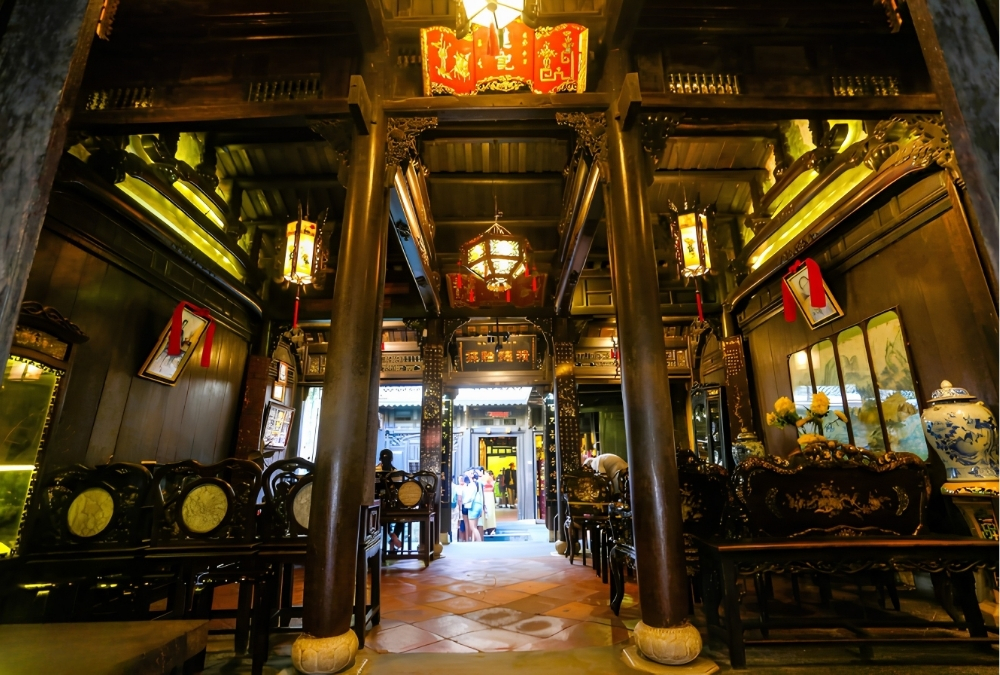
- Teochew Assembly Hall, 362 Nguyễn Duy Hieu · 4.4★ (113 reviews) · 08:00-17:00 · included in the Old Town ticket
A short walk away, the Teochew hall is smaller and much quieter than the better-known Fujian hall. Its carved woodwork is among the finest in the Old Town, with gilded panels that glow in the soft light inside the courtyard. It is a good place to stand still for a few minutes before moving on.
12:00 – Lunch at banh mi Lan
- 626 Hai Ba Trung · 4.9★ (104 reviews) · 08:00-18:00 · +84 905 502 950
This family kitchen sits about ten minutes’ walk from the busiest streets and is popular with local diners. The dish to order is barbecue pork with rice noodles, which arrives smoky and juicy under a peanut sauce with a pile of fresh herbs on the side. The bo ne, a sizzling plate of beef served with bread, is the other favourite, and the sound of it crossing the room tells you why.
The family dumpling house at 533 Hai Ba Trung is just nearby, so you can finish the meal with a plate of white rose dumplings, which are delicate shrimp parcels shaped like petals.
Read more: White Rose Dumplings Hoi An: The Story, the Craft and Where to Eat Them
14:30 – A quiet hour at Reaching Out Teahouse
- 131 Tran Phu · 4.8★ (1,997 reviews) · 08:00-20:00 · +84 905 216 553
After a morning of walking, this tea house on the main street offers what may be the calmest room in the Old Town. The staff are deaf or hard of hearing, so you order with a pencil and a small notepad, and the whole visit passes in a gentle, wordless rhythm. Many visitors say that the exchange of written notes and smiles feels more sincere than ordinary conversation.
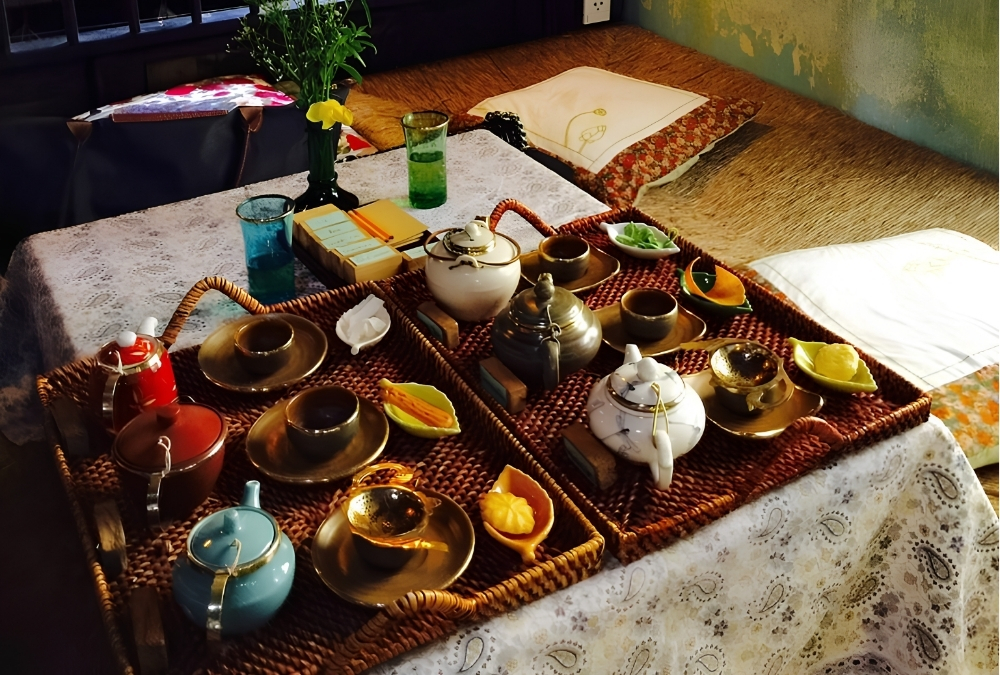
The tea sampler lets you choose three Vietnamese teas, which arrive in handmade ceramics and metal cups made in the workshop at the back. You can sit in silence and watch each tea being poured with unusual care, and then browse the ceramics, jewellery and handkerchiefs sold in the same room. A traveller named Sarah, who had spent a week in town, named it a favourite for its calm atmosphere, furniture and handmade cups.
17:30 – Dinner at Quan an Co Eo
- 45/7 Tran Hung Dao · 4.8★ (400 reviews) · 10:30-22:00 · +84 876 973 329
Tucked into an alley away from the riverfront, this family restaurant serves cao lau, banh xeo and steamed buns at prices that rarely pass 200,000 VND for two. The owners speak little English, but they are used to explaining dishes by gesture, and the meal feels like eating at a relative’s table. Arriving at 17:30 means you are seated before the main restaurants fill up at around 19:00.
19:00 – Lanterns and the Hoai River
After dinner, walk down to the river as the lanterns come on along both banks. A paper lantern costs about 5,000-15,000 VND, and a boat ride at the official counters on Bach Dang costs about 150,000 VND for up to three people. Buy only at the counters, and ignore anyone who tells you the main dock is closed, since that is a common way to steer visitors to more expensive boats.

Prefer a guide? Hoi An Travel’s City Tour, Boat Ride & Flower Lantern runs from 2:30 to 7:00 p.m. and combines a heritage walk, dinner, a boat ride and a flower lantern on the river, from 650,000 VND. It suits travellers who want context for the old buildings and a smooth evening without arranging each step themselves.
Day 2: Local crafts, cooking & tailoring
| Time | Itinerary | Key experiences |
| 08:00 | Kim Bong Carpentry Village & cooking class | Traditional rice paper making, hands-on cooking and woodworking |
| 13:30 | Blue Eye Tailor | Custom clothing fitting and afternoon rest |
| 18:00 | Cao Lau Thuong | Traditional cao lau and local family-style dining |
08:00 – Rice paper and cooking in Kim Bong
- About 4.5 hours · from 790,000 VND per person · book via Hoi An Travel
Hoi An has dozens of Hoi An cooking classes, and many of them are held in large groups, but this one is built around a single craft. You make rice paper by hand, spreading the batter thin and lifting the sheet off the steam, and then you cook with local chefs. Rice paper is the base of spring rolls, banh xeo and many dishes you will order in restaurants, so making one sheet shows how much skill hides in the thinnest part of a meal.
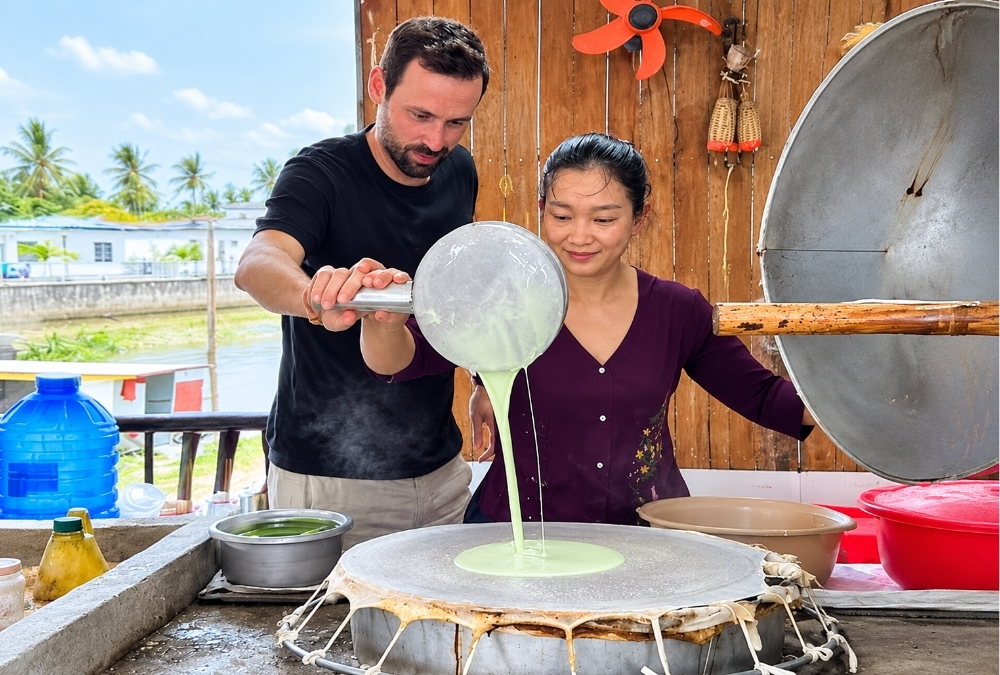
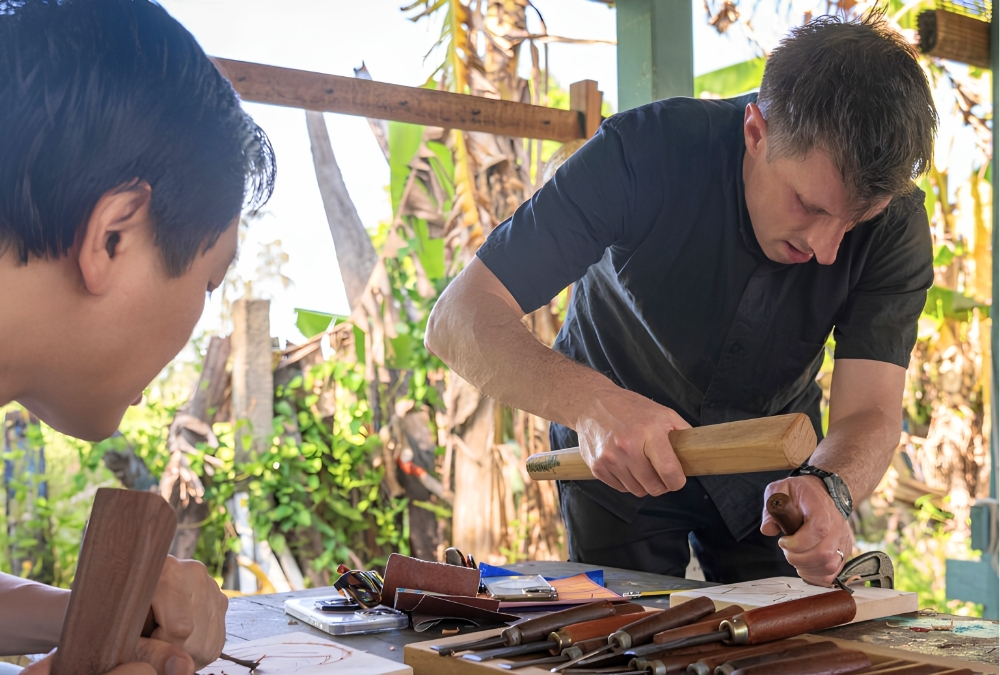
Kim Bong, on the far side of the river from the Old Town, is also a carpentry village, where craftsmen shape and carve wood by hand. Visitors can try a small carving to take home, and the village entry costs about 35,000 VND with workshops charged extra.
13:30 – Tailor fitting and a rest
Hoi An is known for its tailor shops, where visitors can have clothes made to measure. One option is Blue Eye Tailor, located at 12 Le Loi Street in the Old Town. Bring a reference photo or a garment you like, choose your fabric and discuss the fit with the tailor. Most orders take 24-48 hours, depending on the design, so it is best to place your order on Day 1 and allow time for fittings and alterations.
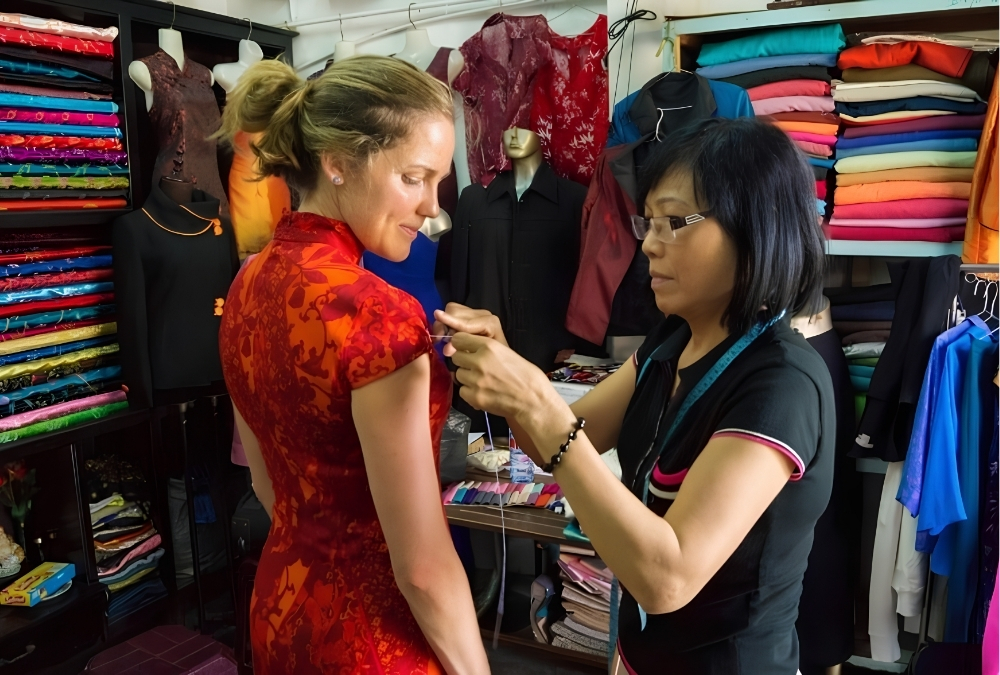
Check recent customer reviews before choosing a tailor, as workmanship and service can vary. Once your fitting is done, return to your hotel for a rest during the hottest part of the afternoon before heading out for dinner.
18:00 – Cao lau at Cao Lau Thuong
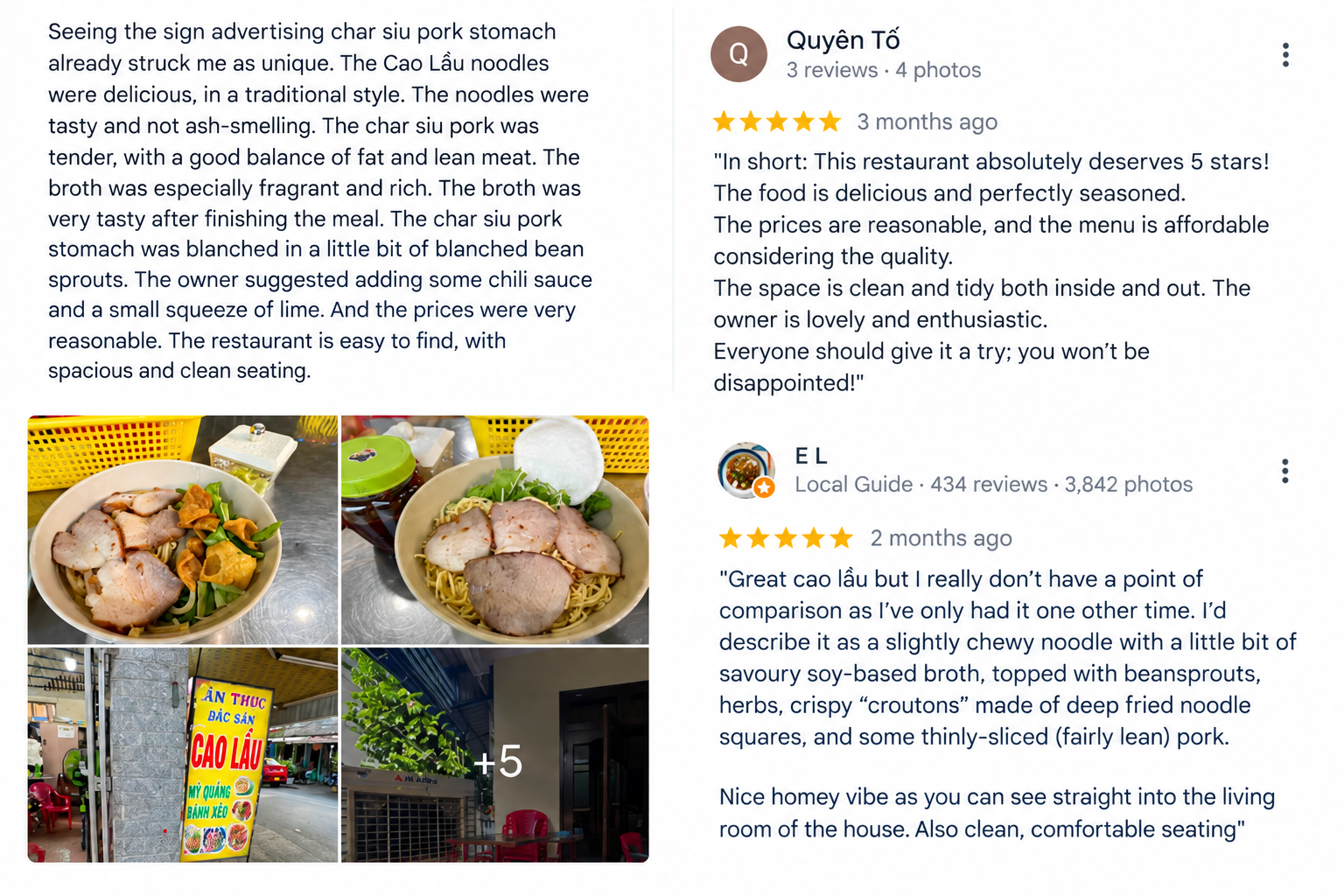
- 79 Tran Cao Van · 5.0★ (659 reviews) · 10:30-21:30 · about 30,000-50,000 VND a bowl · +84 905 791 146
Cao lau is the one dish in Hoi An that cannot be copied elsewhere, because the thick, pale noodles are traditionally made with ash water. They are topped with slices of char siu pork and fresh herbs, then dressed with a small spoon of dark sauce that ties the bowl together. Away from the lantern streets, this family house serves it at tables that look straight into the living room, with a jar of homemade chilli on the side. A vegetarian version is available for those who do not eat pork.
Read more: Top 5 best Cao Lau in Hoi An: Local restaurants and how to eat it properly
Day 3: Beach escape or My Son Sanctuary
| Time | Itinerary | Key experiences |
| 05:00-10:00 | Option A: An Bang or Cua Dai Beach | Sunrise, seaside walks and beach relaxation |
| 05:00-10:00 | Option B: My Son Sanctuary | Sunrise tour and exploration of ancient Cham temples |
| 12:00 | Local food spots | Chicken rice and Hoi An street food |
| 16:00 | Old Town & Blue Eye Tailor | Collect tailored clothes, explore quiet streets and enjoy a final coffee |
Option A – 06:30 beach at Cua Dai or An Bang
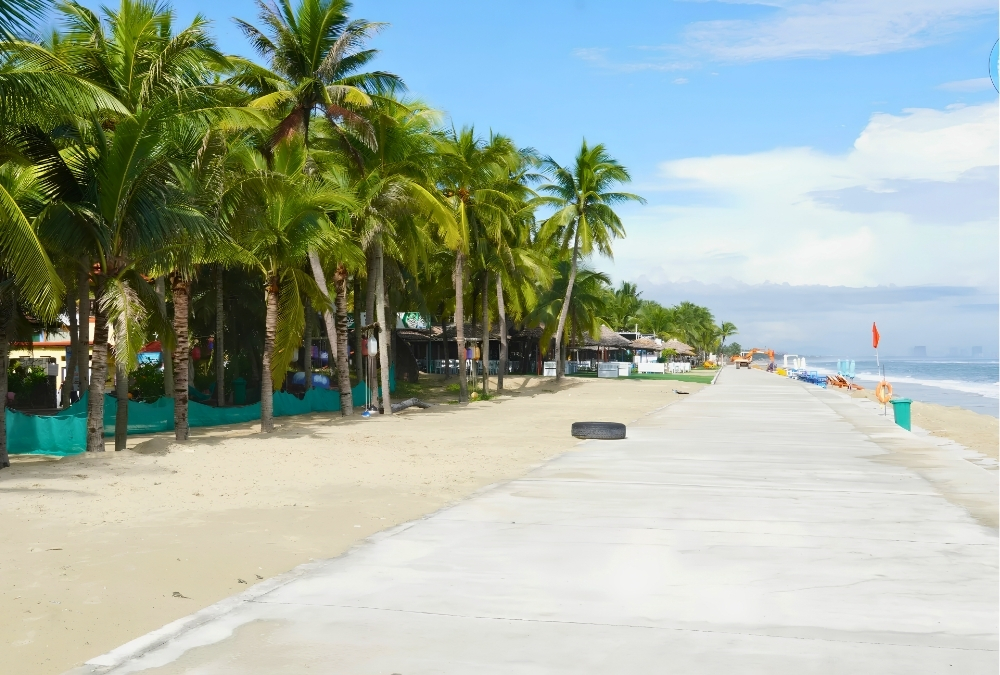
An Bang Beach is about 15 minutes by bicycle from Hoi An Ancient Town, along a quiet road lined with rice fields and local homes. Arrive early to enjoy the cooler air, watch fishing boats offshore and walk along the sand before the beach cafés get busy. If you plan to swim, check the sea conditions and follow local safety flags. Bicycle parking is available near the beach, with a small fee at some locations.

Cua Dai Beach is another option nearby. After years of coastal erosion, the beachfront has recently seen improvements, with a 700-metre section of protective embankment completed in October 2026 (Source: vietnam.vn). The area is gradually welcoming visitors back, with locals returning for seaside walks and some beachfront cafés reopening. While restoration work on the wider coastal project continues, Cua Dai is worth considering for a quieter seaside visit. Check local conditions before swimming.
Option B – 05:00 My Son at sunrise
- 5:00-10:00 a.m. · from 815,000 VND per person · book via Hoi An Travel
My Son is a complex of Cham brick temples about 30 km from Hoi An and the region’s second UNESCO World Heritage Site (Source: UNESCO). By late morning its red towers are hot and crowded, which is why this small-group tour goes at dawn, when the mist is still in the trees and the stones look soft in the early light. You are back in Hoi An by 10 a.m., which leaves the afternoon free for a last fitting and a last walk.
12:00 – A last meal
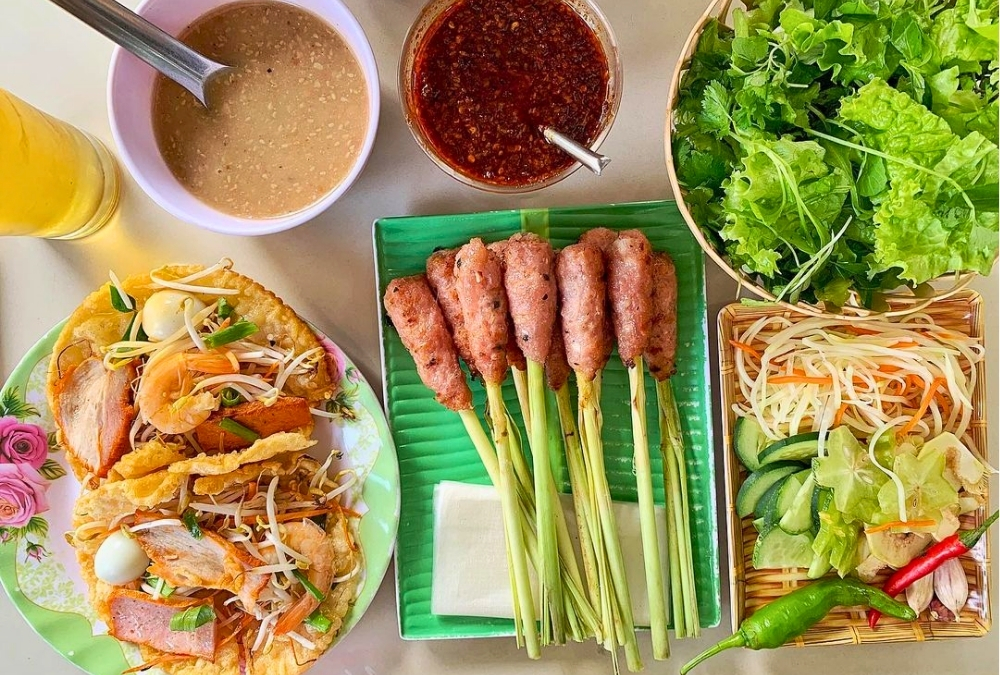
Finish with the two dishes visitors most often regret skipping, which are chicken rice and the stall food covered in our street food guide. Both are cheap, filling and best eaten slowly at a small table.
16:00 – A last fitting and one more walk
Collect your clothes, then take a slow loop through the lanes between Nguyen Thai Hoc and Phan Chau Trinh. Small galleries, cafes and homes hang lanterns in their doorways there, and the streets are far calmer than the main road. Finish with a tea or coffee under a shaded awning, and walk to the Japanese Covered Bridge one more time as the light fades.
Mistakes first-time visitors make
- Ordering clothes on the last day: Most tailors need about 24 hours, and fittings often require a second round of changes. Order on your first day, return for the fitting on your second, and you will leave with clothes that actually fit.
- Eating at 19:30: The famous restaurants start to queue from around 19:00, and the wait can take the shine off the evening. Eating at 17:00 or choosing a quieter street gives you the same food with a lot less waiting.
- Swimming at Cửa Đại without checking the sea: The waves and the undertow can be stronger than they look from the sand. Swim near other people and follow the flags.
- Assuming cards work everywhere: Stalls and markets only take cash, and some small restaurants add a fee for card payments. Carry enough small notes for the day.
- Following a stranger to a “private” boat: The official counters on Bạch Đằng are the reliable option and the prices are posted. Anyone who steers you away from them is usually charging more.
- Booking a tour from a street tout. Price, inclusions and cancellation terms should all be confirmed in writing before you pay. A reputable operator will always send them by email.
What 3 days in Hoi An costs
| Item | Typical cost |
| Airport transfer (per car) | 250,000-350,000 VND |
| Old Town ticket (five sites) | 120,000 VND |
| Bicycle hire | 30,000-50,000 VND per day |
| banh mi breakfast | about 25,000-40,000 VND |
| Cao lau | 30,000-50,000 VND a bowl |
| Dinner for two, family restaurant | under about 200,000 VND |
| Paper lantern | 5,000-15,000 VND |
| Boat on the Hoai River (1-3 people) | about 150,000 VND |
| City Tour, Boat Ride & Flower Lantern | from 650,000 VND |
| Rice Paper Making & Cooking in Kim Bong | from 790,000 VND |
| My Son Sunrise Tour | from 815,000 VND |
A budget-conscious traveller can keep daily expenses low by cycling around town, eating at local food stalls and choosing a few paid experiences. Tours and private transfers will add to the overall cost, while accommodation, shopping and tailor-made clothing should be budgeted separately. Prices may vary by season and provider, so check current rates before booking.
FAQs
Is 3 days enough for Hoi An?
Yes. Three days covers the Old Town, a countryside morning, a cooking class, the beach and a tailor fitting without rushing.
What is the best order for 3 days?
Old Town on the first day, countryside and cooking on the second, beach and relaxation on the third, with tailor orders placed on the first morning.
Do I need the Old Town ticket?
Only to enter the heritage buildings. Walking the streets is free.
What should I eat?
Cao lau, banh mi, chicken rice, white rose dumplings and banh xeo.
Is it better to stay in the Old Town or at the beach?
The Old Town suits short, sightseeing-focused stays, and the beach suits travellers who want quiet and a swim, with a short ride into town.
Three days in Hoi An may not be enough to see everything, but they are enough to understand what makes this town special. It is in the quiet streets before sunrise, the taste of a bowl of cao lau made the local way, the patience of a craftsperson at work and the glow of lanterns reflected on the Hoai River after dark.
Beyond its well-known sights, Hoi An is a place best experienced through small moments and a slower pace of travel. Leave a little room in your itinerary for an unexpected stop, a longer meal or one last walk through the Old Town. These are often the moments that stay with you long after the journey ends.