




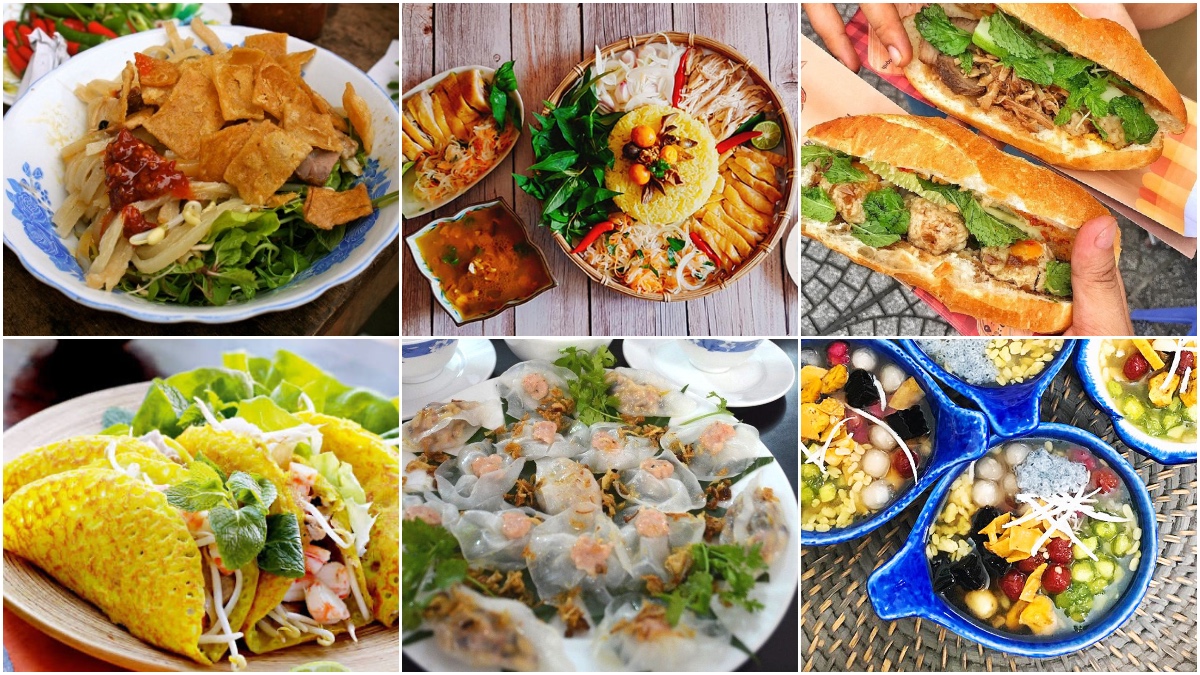
Hoi An’s local cuisine offers a rich variety of flavors, from savory noodles and crispy street food to delicate dumplings and traditional desserts. Each dish stands out through its unique ingredients, textures and preparation methods. If you’re unsure what to eat in Hoi An, this food guide introduces the town’s signature specialties, their distinctive tastes and recommended places to enjoy them.
- The rich and savory side of Hoi An cuisine
- The deep, smoky flavors of Cao Lau
- The comforting taste of Hoi An chicken rice
- The bold and nutty notes of Mi Quang
- When crispy textures meet fresh ingredients
- Banh Mi and the contrast of crispy bread and savory fillings
- Banh Xeo – Golden pancakes wrapped in fresh herbs
- The softer, more delicate flavors of Hoi An
- White rose dumplings – Delicate wrappers and savory fillings
- Banh Uot and Banh Dap – Two textures in one local dish
- A sweet and refreshing finish to Hoi An’s food scene
- How different flavors come together in Hoi An food
- FAQs about What to eat in Hoi An
The rich and savory side of Hoi An cuisine
Hoi An’s savory dishes offer a distinctive combination of rich sauces, fragrant rice, fresh herbs and traditional spices. For those curious about what to eat in Hoi An, Cao Lau, chicken rice and Mi Quang are among the most popular local specialties. Each dish has its own flavor and texture, reflecting the culinary traditions of Central Vietnam.
The deep, smoky flavors of Cao Lau
Cao Lau also carries a story closely tied to Hoi An. Its traditional preparation is associated with alkaline ash water and the historic Ba Le Well, although recipes vary among local cooks. Unlike most Vietnamese noodle soups, it relies on a small amount of sauce rather than a full bowl of broth. This distinctive texture and concentrated flavor have made it a local favorite, with several restaurants known for serving some of the best Cao Lau in Hoi An.
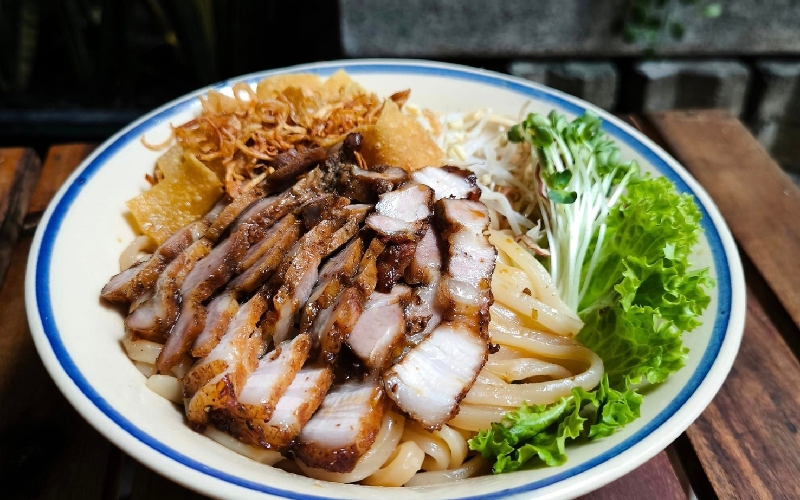
The noodles are what make Cao Lau particularly distinctive. Traditionally, their preparation is associated with alkaline ash water and the historic Ba Le Well, which contribute to the dish’s local identity. The firm texture of the noodles, combined with the concentrated sauce and aromatic herbs, gives Cao Lau a character that differs from other noodle dishes in Central Vietnam.
Where to try:
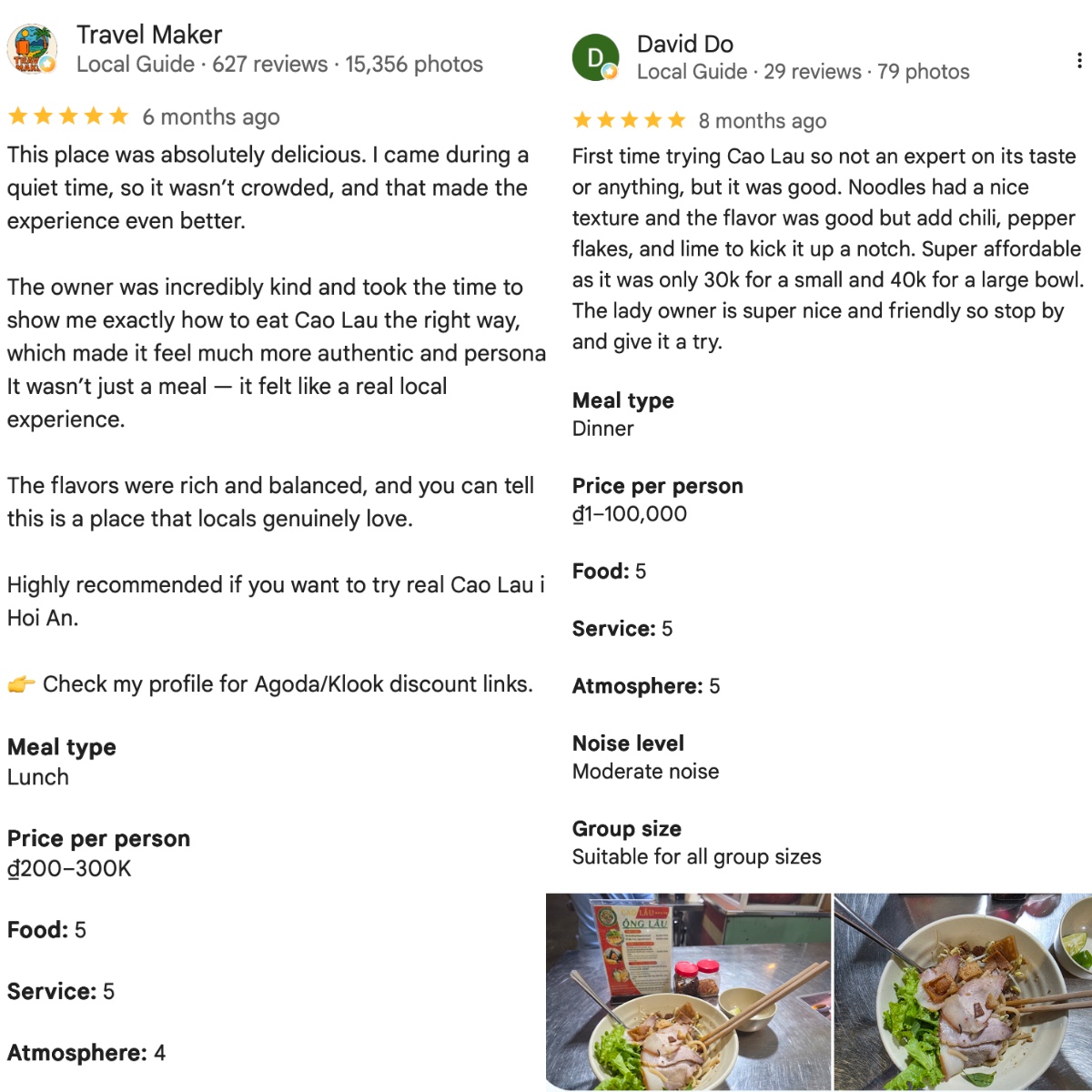
- Lily Cafe – Cao Lau Ong Lau (5.0/5 stars on Google) – 28 Thai Phien, Hoi An, Da Nang, Vietnam.
- Cao Lau Ba Le (4.8/5 stars on Google) – 49/3 Tran Hung Dao, Hoi An, Da Nang, Vietnam.
The comforting taste of Hoi An chicken rice
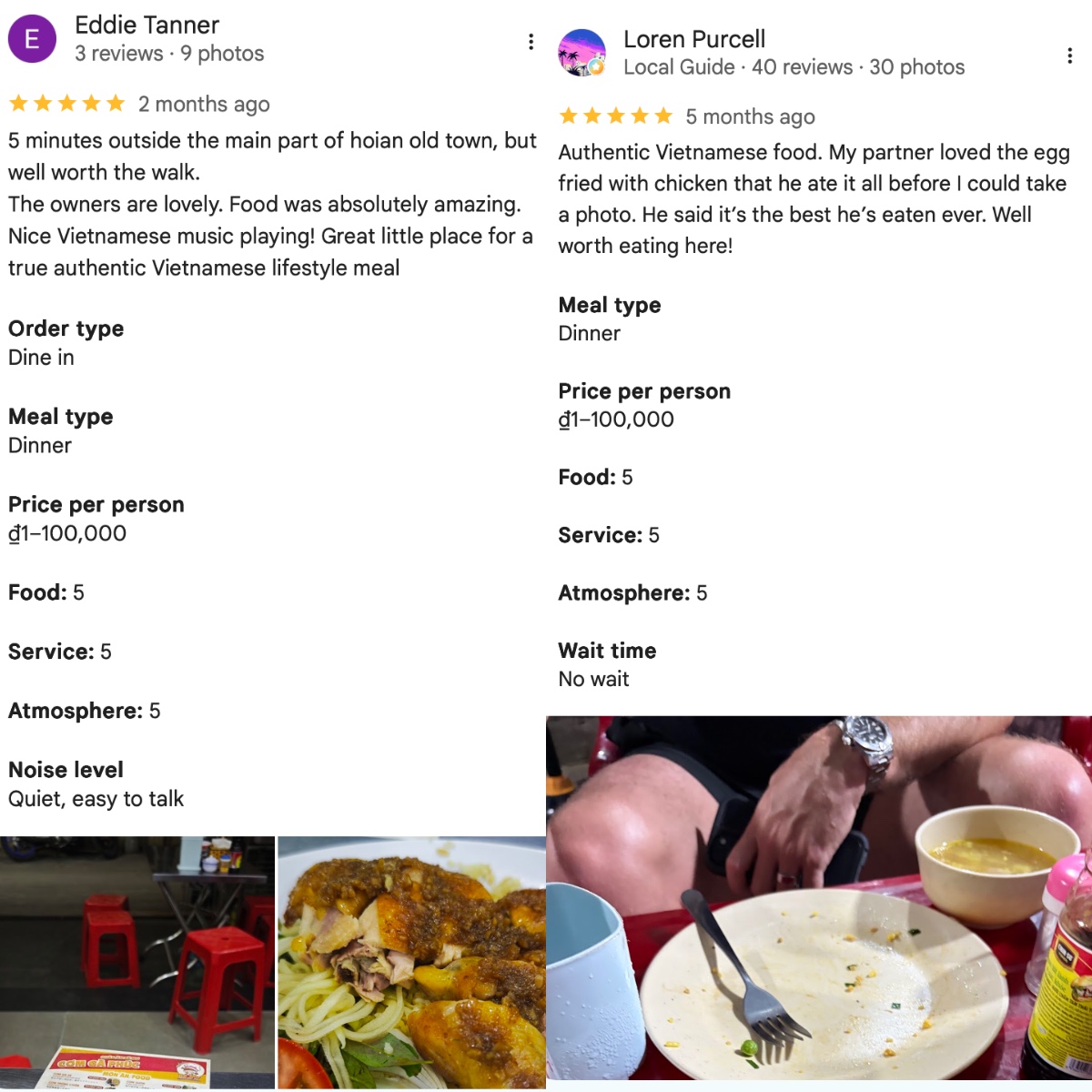
Golden rice, tender chicken and a handful of fresh herbs are enough to create one of Hoi An’s most satisfying meals. The rice gets its warm color and aroma from chicken stock and, in some recipes, turmeric. Rather than a heavy sauce, the dish draws its flavor from the fragrant grains, sweet chicken meat and a fresh salad of papaya, onions and Vietnamese coriander. A little chili sauce adds heat without hiding the other ingredients.
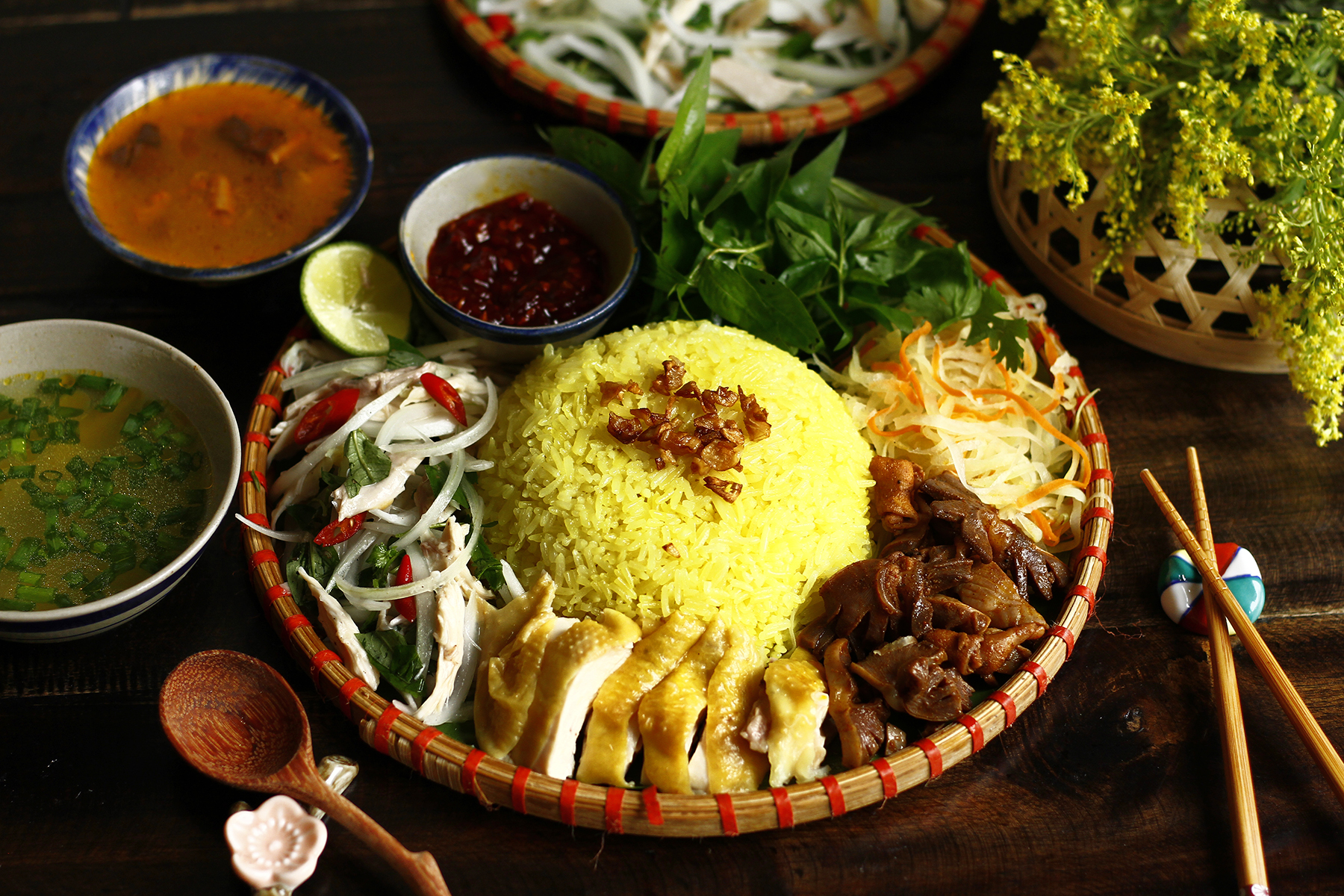
There is a pleasant contrast in every mouthful: soft rice, firm shredded chicken and crisp, lightly sour vegetables. A small bowl of broth often accompanies the plate, adding warmth and another layer of savory flavor. The beauty of chicken rice in Hoi An is that no single ingredient dominates. The dish feels hearty enough for lunch yet remains relatively light, especially with the fresh herbs and salad.
Where to try:
- Com Ga Phuc (4.7/5 stars on Google) – 621/5 Hai Ba Trung, Hoi An, Da Nang, Vietnam.
- Com Ga Mr Bao (5.0/5 stars on Google) – 194 Le Thanh Tong, Hoi An Dong, Da Nang, Vietnam.
The bold and nutty notes of Mi Quang
Mi Quang brings a lively mix of flavors and textures to the table. Wide rice noodles sit beneath slices of pork, shrimp, roasted peanuts and fresh herbs, with a large crispy rice cracker often placed on top. The broth is fragrant and savory, but there is just enough to moisten the noodles. Crushed peanuts introduce a buttery, nutty taste, while the cracker adds a crisp bite that makes the dish feel more substantial.
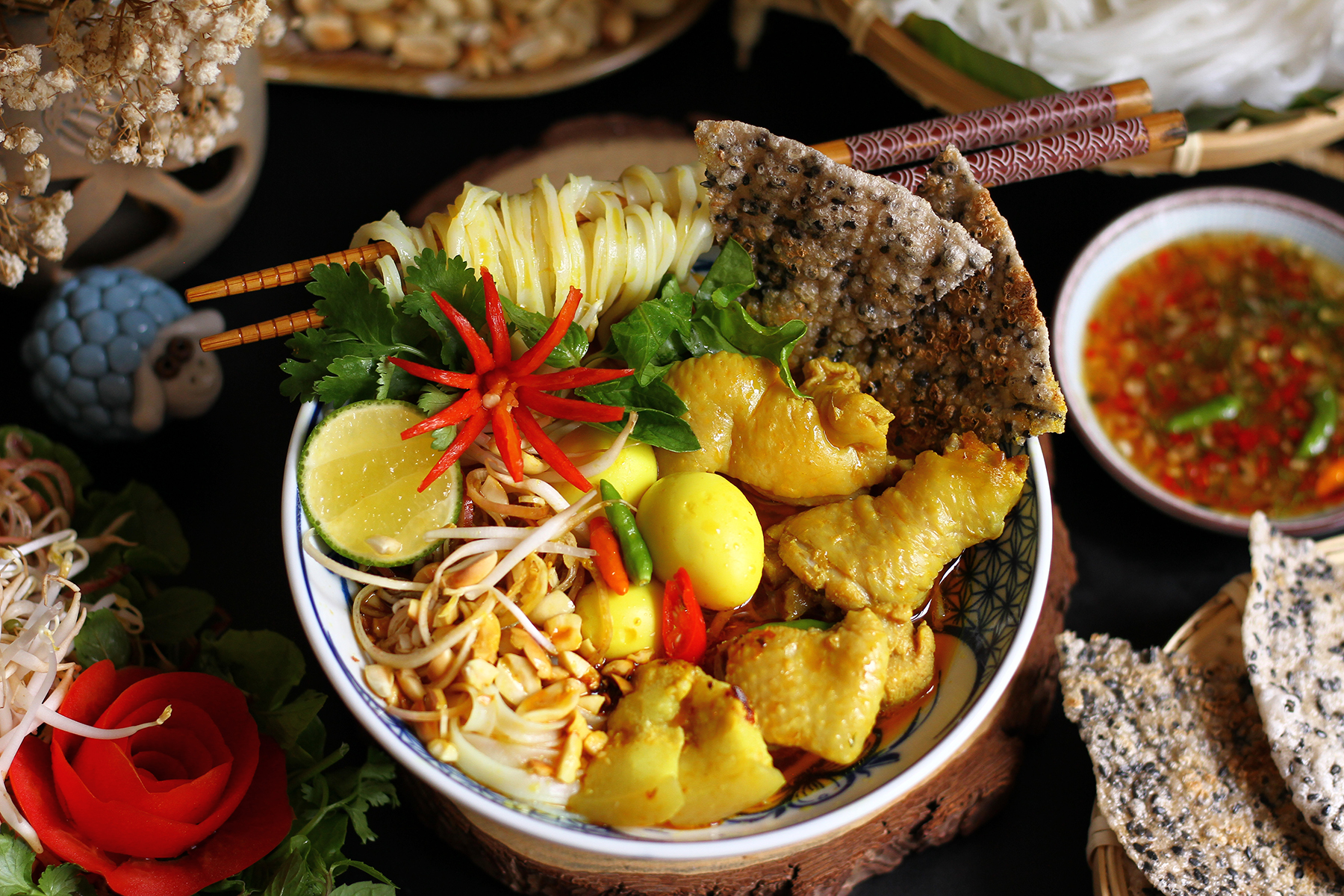
One of the pleasures of Mi Quang is how its character changes with the toppings and broth. Some bowls have a pronounced shrimp flavor, while others favor chicken or pork. The noodles are generally flatter and softer than those in Cao Lau, and the broth plays a more noticeable role. The different versions described in this guide to Mi Quang in Hoi An reflect the variety of this Central Vietnamese specialty. It is also a popular breakfast choice, particularly at small local eateries that serve fresh noodles in the morning.
Where to try:
- Mi Quang Ba Minh (Ngoc Thanh) (4.9/5 stars on Google) – 61 Duong 18/8, Hoi An, Da Nang, Vietnam.
Xứ Quảng+1 - Mi Quang Co Sinh (4.8/5 stars on Google) – 170/5 Ly Thuong Kiet, Hoi An, Da Nang, Vietnam.
Read more: Authentic Hoi An Street Food: What Locals Really Eat
When crispy textures meet fresh ingredients
Crispy street food adds another layer of flavor to Hoi An’s culinary scene. Each offers a different balance of crunchy textures, savory ingredients and fresh vegetables. Although their preparation methods vary, all three dishes show how simple ingredients can create rich flavors without losing their freshness.
Banh Mi and the contrast of crispy bread and savory fillings
The appeal of Hoi An Banh Mi begins with its thin, golden crust, which cracks at the first bite to reveal soft bread and a generous layer of fillings. Rich pate, seasoned pork, cucumber, pickled vegetables and fresh herbs come together with a flavorful house sauce. The meat adds a savory depth, while the pickles introduce a gentle acidity that keeps the sandwich from feeling too rich.
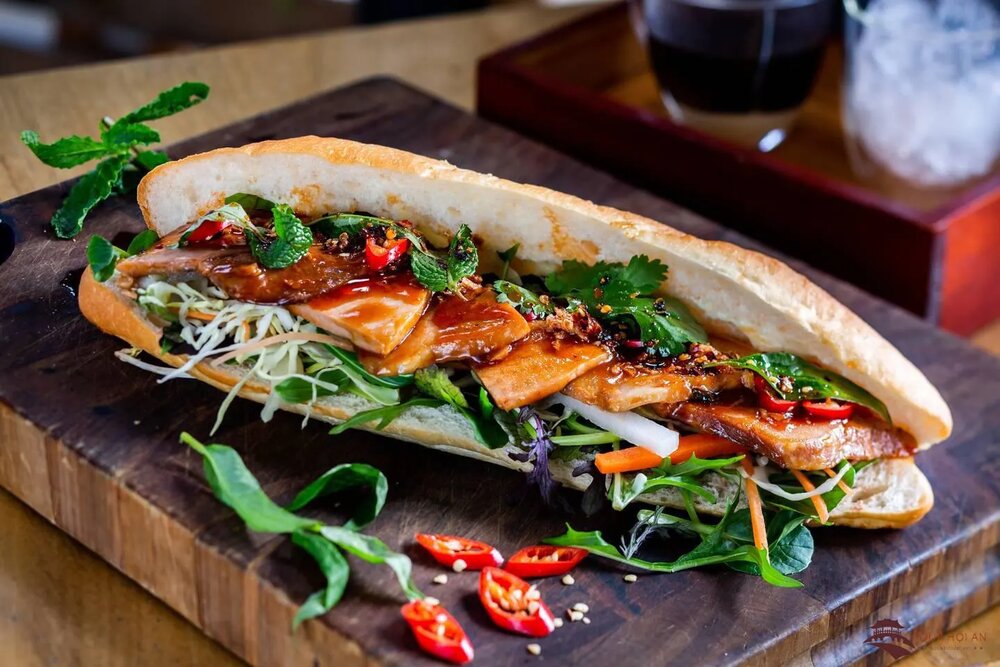
A good Banh Mi depends just as much on its sauce as on the bread itself. Some shops favor sweet, smoky barbecued pork, while others stand out for their homemade chili sauce or creamy pate. These differences give each sandwich its own character, even when the ingredients appear similar. The variety of flavors and preparation styles is one reason why the best Banh Mi in Hoi An can taste surprisingly different from one shop to another.
Where to try:
- Phi Banh Mi (4.8/5 stars on Google) – 88 Thai Phien, Hoi An, Da Nang, Vietnam.
- Banh Mi Mr. Hieu (4.9/5 stars on Google) – 644 Hai Ba Trung, Hoi An, Da Nang, Vietnam.
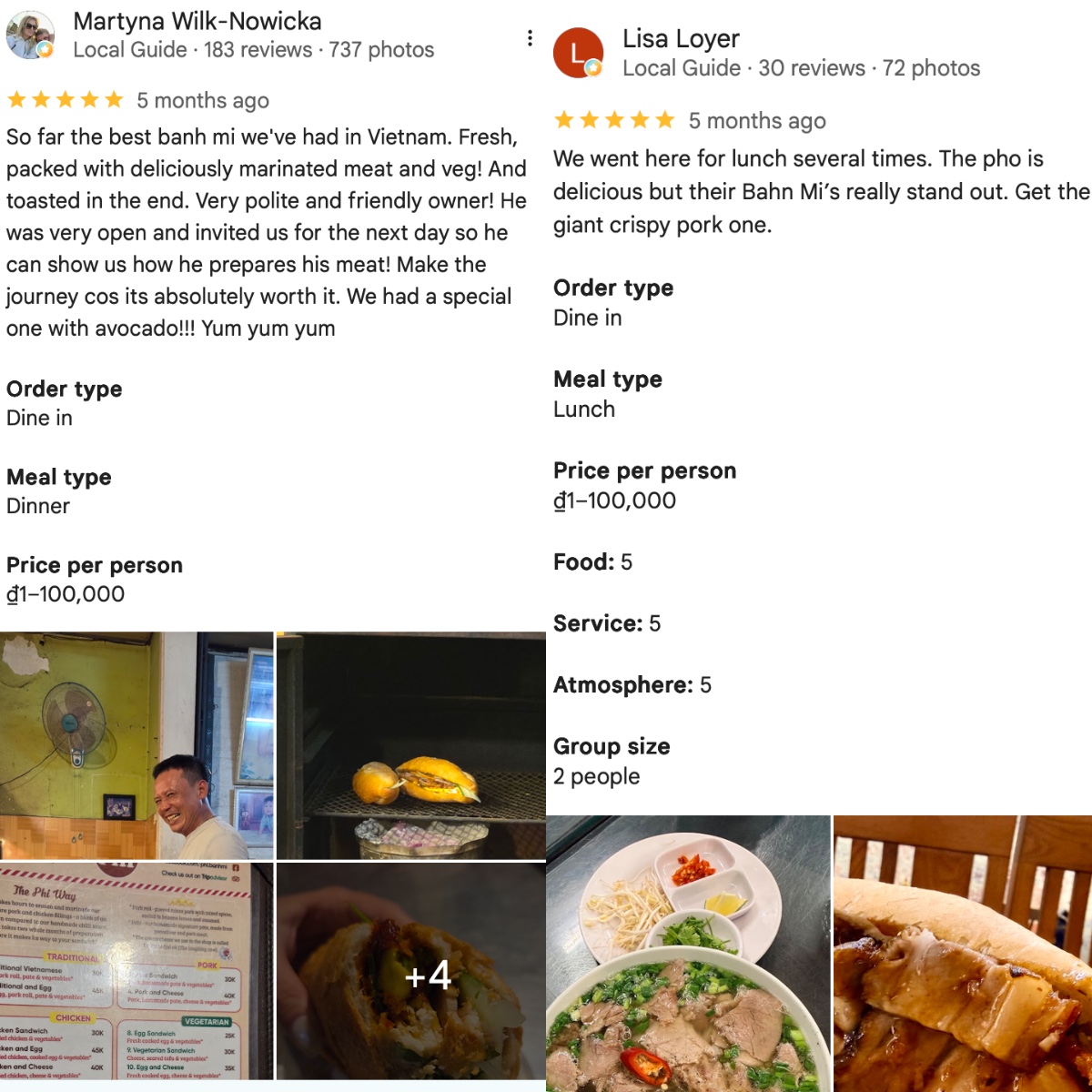
Five-star ratings showcase popular Banh Mi spots in Hoi An
Banh Xeo – Golden pancakes wrapped in fresh herbs
A freshly cooked Banh Xeo has a thin, golden crust with crisp edges and a warm, savory center. The rice flour batter gets its yellow color from turmeric, while shrimp, pork and bean sprouts provide a mix of sweetness and crunch. Its light, brittle exterior contrasts with the tender filling, especially when the pancake comes straight from the pan.
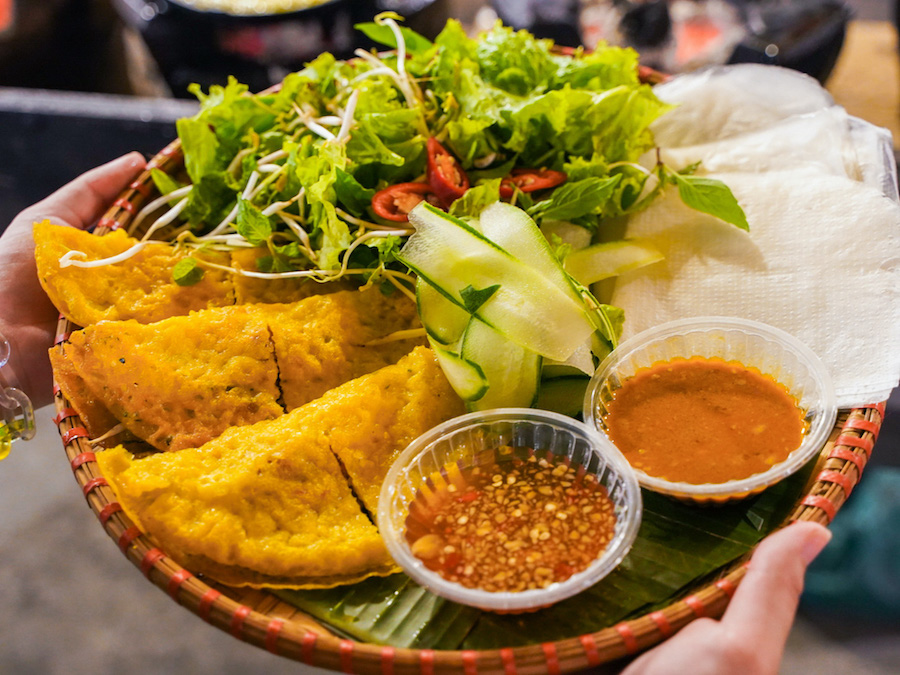
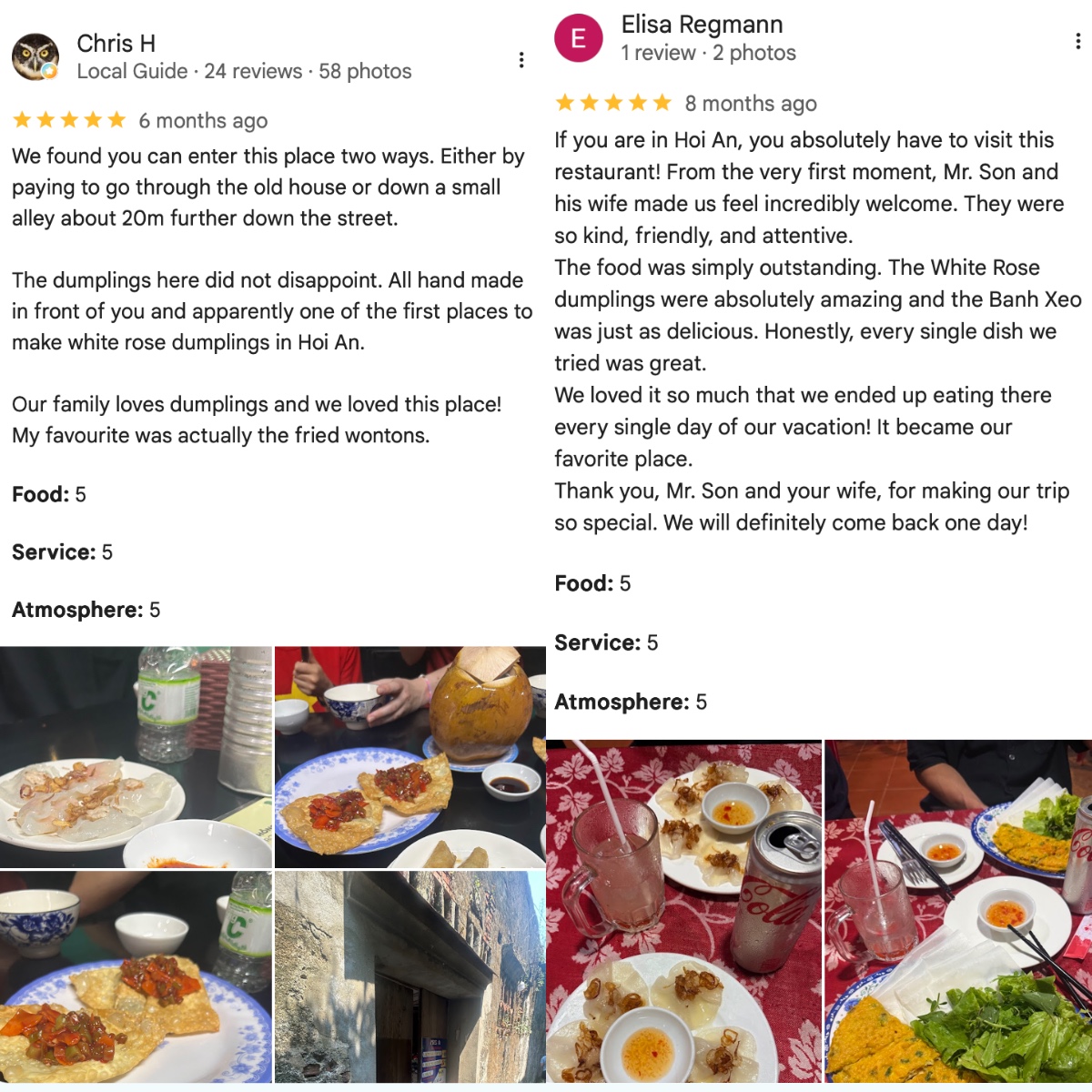
Yet the pancake itself is only part of the experience. In Hoi An, Banh Xeo is commonly served with rice paper, lettuce, fresh herbs and a savory dipping sauce. A small piece of pancake, wrapped with vegetables and dipped into the sauce, offers a balance of richness, freshness and acidity. The herbs soften the oily notes of the fried batter, while the sauce adds a final savory touch. Banh Xeo also pairs well with grilled pork skewers, another familiar feature of local meals.
Where to try:
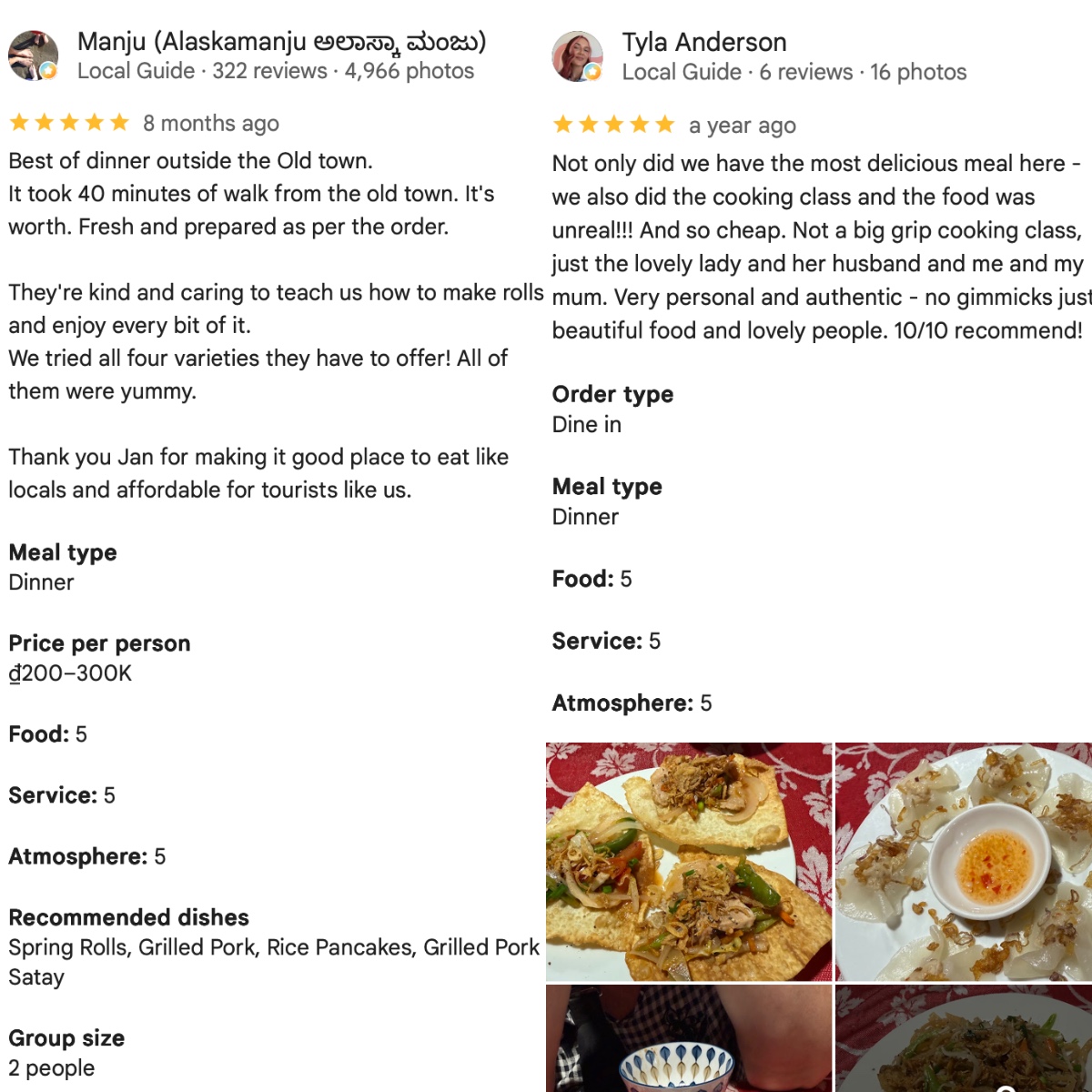
- Restaurant JAN (Local Food) (4.9/5 stars on Google) – 242B Le Thanh Tong, Hoi An Dong, Da Nang, Vietnam.
- Mr. Son Restaurant (4.7/5 stars on Google) – Hoi An, Da Nang, Vietnam.
The softer, more delicate flavors of Hoi An
Hoi An’s traditional dishes also feature delicate flavors and simple ingredients. White rose dumplings and Banh Dap highlight the soft texture of rice flour, savory fillings and the contrast between tender and crispy layers.
White rose dumplings – Delicate wrappers and savory fillings
Small, translucent dumplings arranged like white flower petals give this Hoi An specialty its charming name. Known locally as Banh Bao Banh Vac, white rose dumplings feature thin rice flour wrappers folded by hand around seasoned shrimp or pork fillings. Once steamed, the wrappers become soft and slightly chewy, with a delicate texture that allows the savory filling to stand out. A layer of golden fried shallots adds a fragrant crunch, while the sweet-and-sour dipping sauce brings a gentle contrast to the mild taste of the dough.
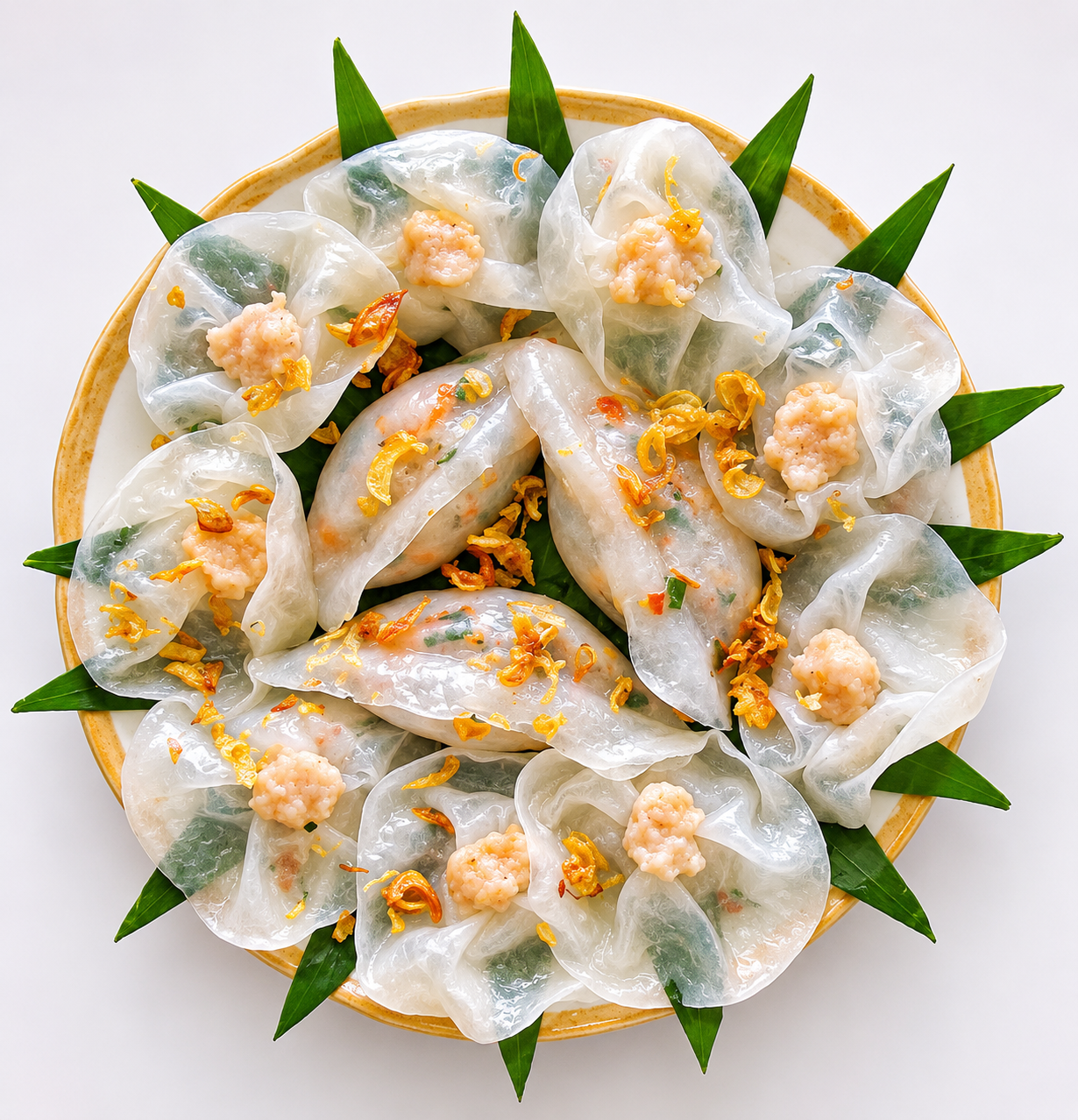
Behind their elegant appearance lies a traditional craft that requires patience and precision. Each wrapper must be thin enough to form delicate folds without tearing, creating the flower-like shape that makes the dish recognizable. The two varieties, Banh Bao and Banh Vac, differ in their shapes and fillings but are commonly served together. More details about the preparation, cultural background and local restaurants can be found in this guide to white rose dumplings in Hoi An.
Where to try:
- Dumplings in Old House of Quân Thắng (4.8/5 stars on Google) – 77 Tran Phu, Old Town, Hoi An, Da Nang 560000, Vietnam.
- Mr. Son Restaurant (4.8/5 stars on Google) – Food Court 62, 02 Nguyen Phuc Chu, Hoi An, Da Nang, Vietnam.
Banh Uot and Banh Dap – Two textures in one local dish
A gentle crack of toasted rice paper reveals the soft, silky layer underneath. This contrast is the essence of Banh Dap, a rustic specialty closely associated with Cam Nam, just across the river from Hoi An’s ancient town. The dish combines thin sheets of steamed rice batter, known as Banh Uot, with crisp grilled rice paper. The two layers are pressed together before serving, creating an enjoyable balance between crunchy and tender textures.
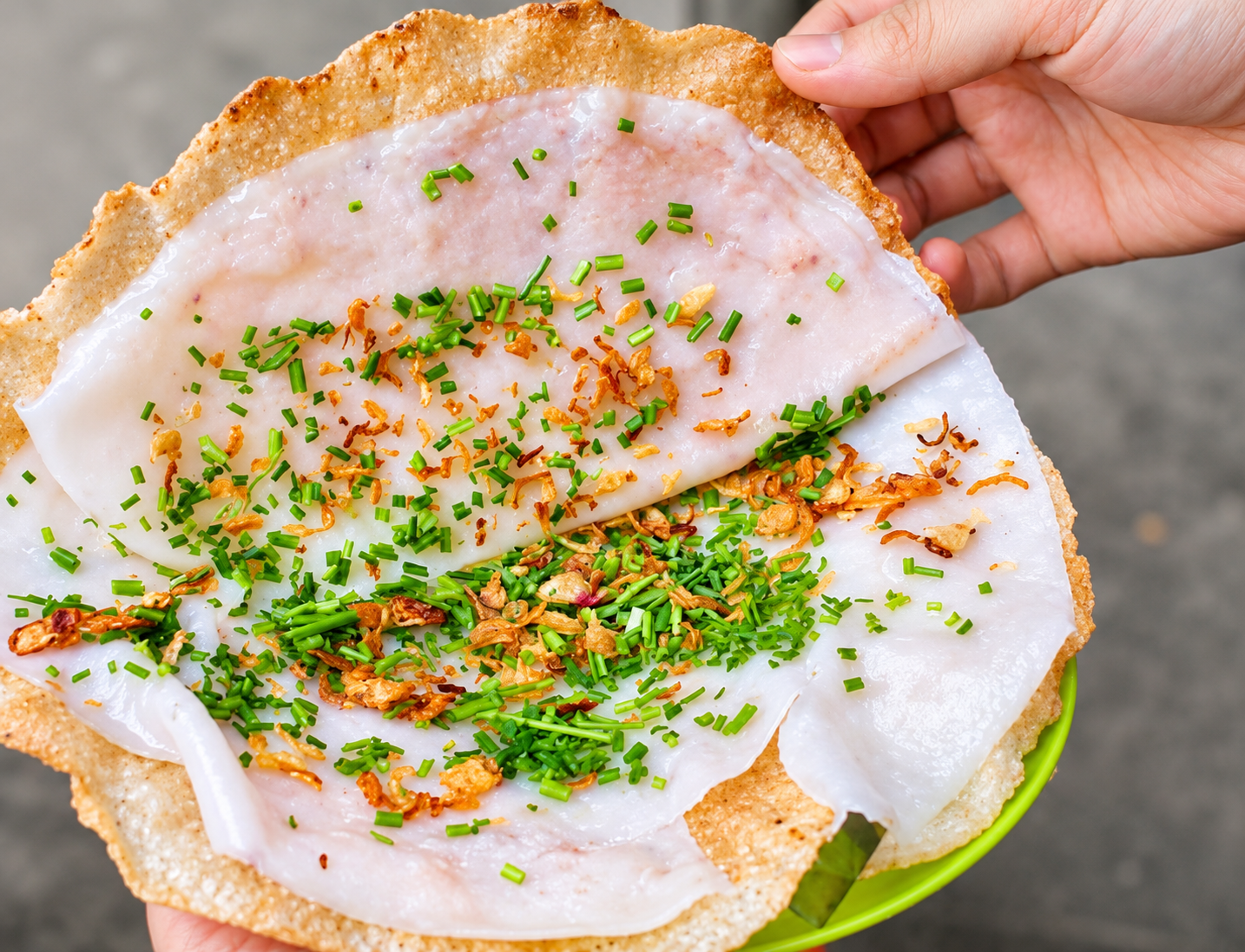
The real depth of flavor comes from mam nem, a fermented fish sauce dip with a strong savory aroma, often enhanced by chili and other seasonings. Its bold, salty taste gives the otherwise mild rice cakes a distinctive character. In Cam Nam, Banh Dap is also commonly served alongside stir-fried baby clams, boiled pork or fresh herbs. This simple pairing reflects the area’s everyday food culture, where familiar ingredients are transformed into satisfying local dishes without elaborate preparation.
Where to try:
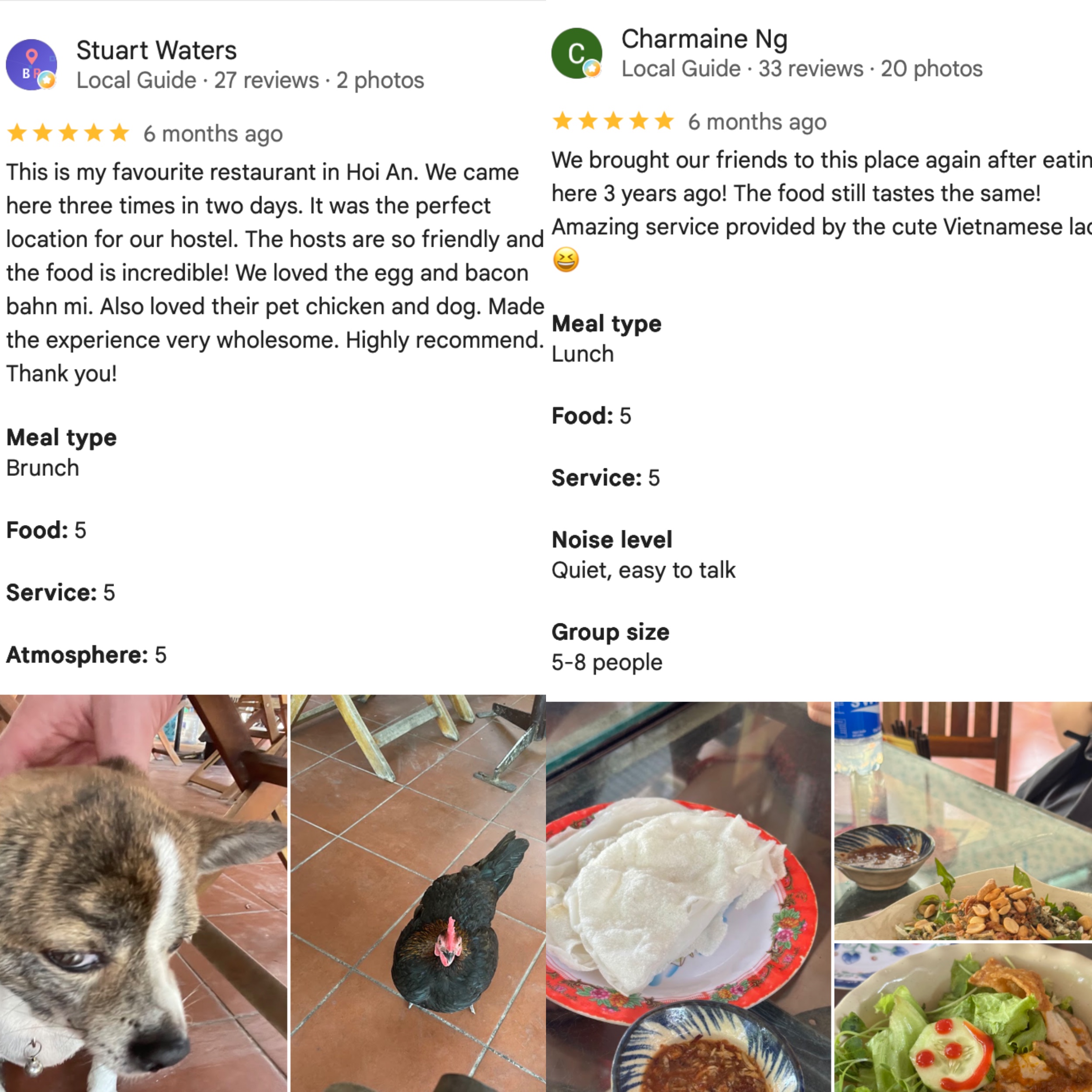
- Banh Dap Ni Ba Gia (4.7/5 stars on Google) – 34 Nguyen Tri Phuong, Hoi An, Da Nang, Vietnam.
Read more: Hoi An Lantern Festival: A Guide to the Full Moon Nights
A sweet and refreshing finish to Hoi An’s food scene
For those who wonder what to eat in Hoi An, traditional sweet soups and Mot herbal tea offer a refreshing finish to the local food journey. From sweet corn and creamy beans to delicate lotus seeds and fragrant herbs, these specialties provide a pleasant contrast to Hoi An’s rich and savory dishes.
Traditional sweet soups – From corn to lotus seeds
A small bowl of Che, Vietnam’s traditional sweet soup, is a pleasant way to finish a meal in Hoi An. Among the local favorites, Che Bap stands out for its natural corn fragrance and soft, slightly creamy texture. The sweetness is usually gentle enough to let the flavor of the corn shine through, while a little coconut milk may add extra richness. Corn from the Cam Nam area is particularly associated with this traditional dessert.
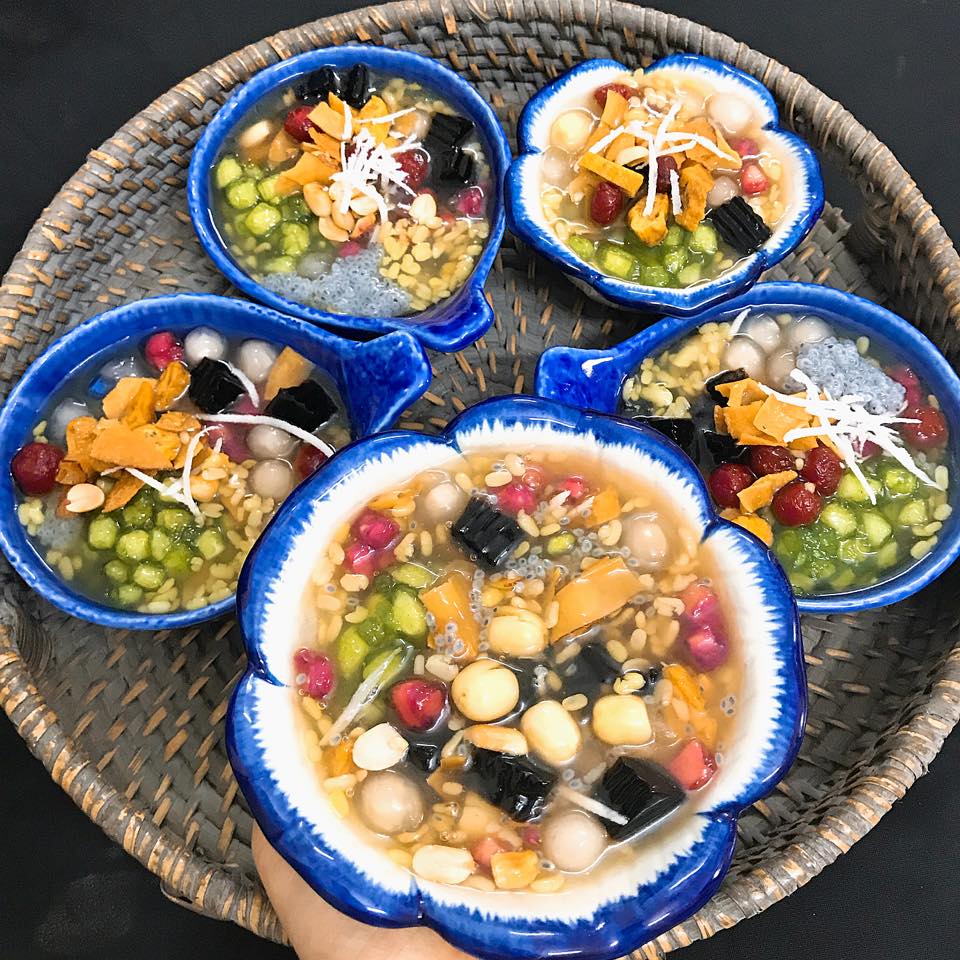
Other varieties offer their own appeal. Che Dau, made with beans such as mung beans or red beans, has a thicker consistency and a pleasantly earthy, nutty taste. Che Hat Sen, or lotus seed sweet soup, is more delicate, with tender lotus seeds in a lightly sweetened syrup. Some versions come with ice, while others are served warm. Together, these desserts show how simple ingredients can create a surprisingly diverse range of flavors, from creamy and hearty to light and refreshing.
Where to try:
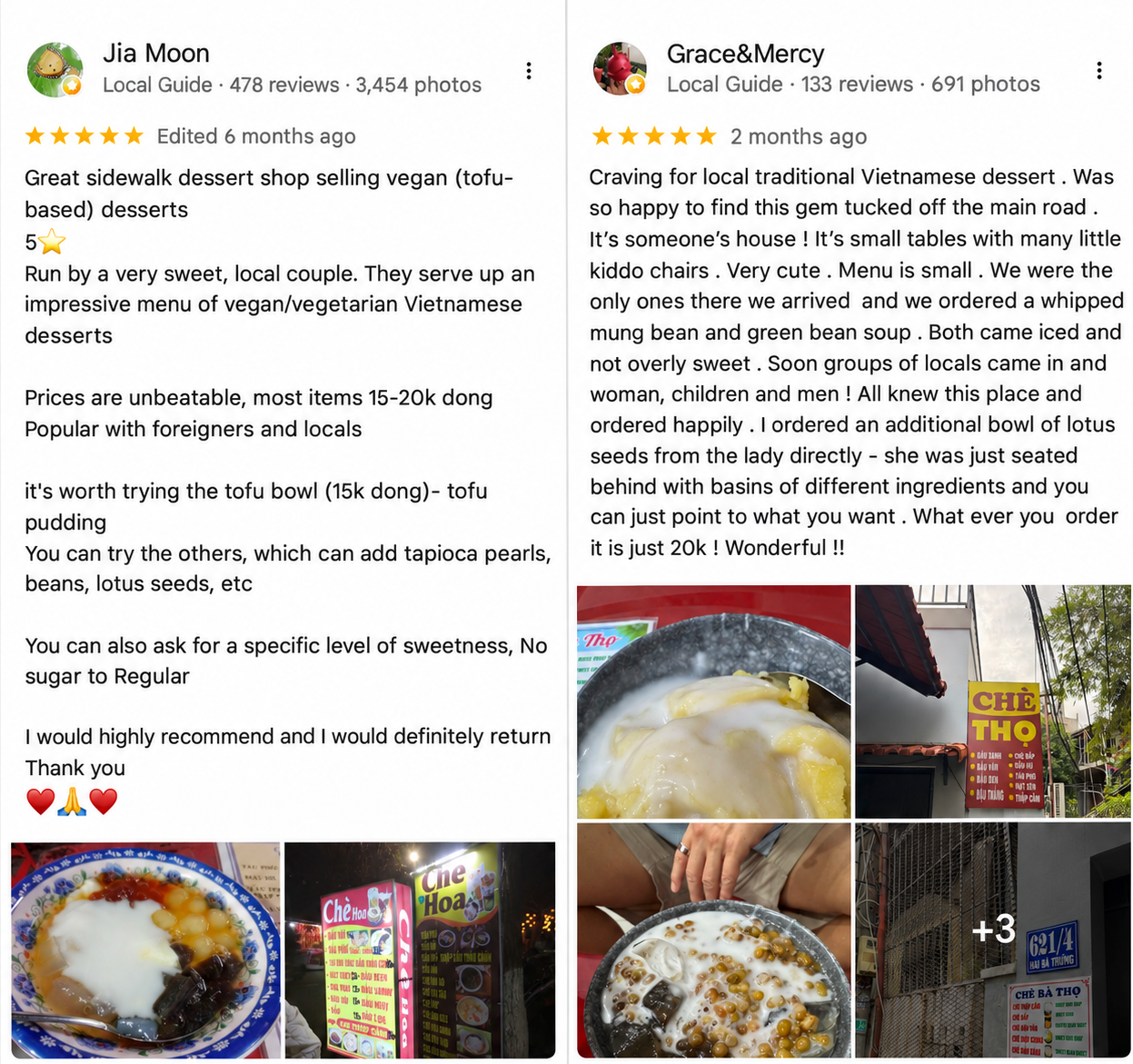
- Che Hoa (4.8/5 stars on Google) – 1 Nguyen Hue, Hoi An, Da Nang, Vietnam.
- Che Ba Tho (4.7/5 stars on Google) – 621/4 Hai Ba Trung, Hoi An, Da Nang, Vietnam.
Mot herbal tea – A fragrant blend of local herbs
A cup of Mot herbal tea offers something quite different from the creamy sweetness of traditional desserts. This popular Hoi An drink combines the citrus notes of lemon with the fresh aroma of lemongrass and other herbs. Its light sweetness and subtle herbal flavor make it a pleasant choice after a savory meal, particularly on a warm afternoon in the ancient town. Unlike ordinary iced tea or lemonade, Mot has a more aromatic character, with several herbal notes that linger after each sip.
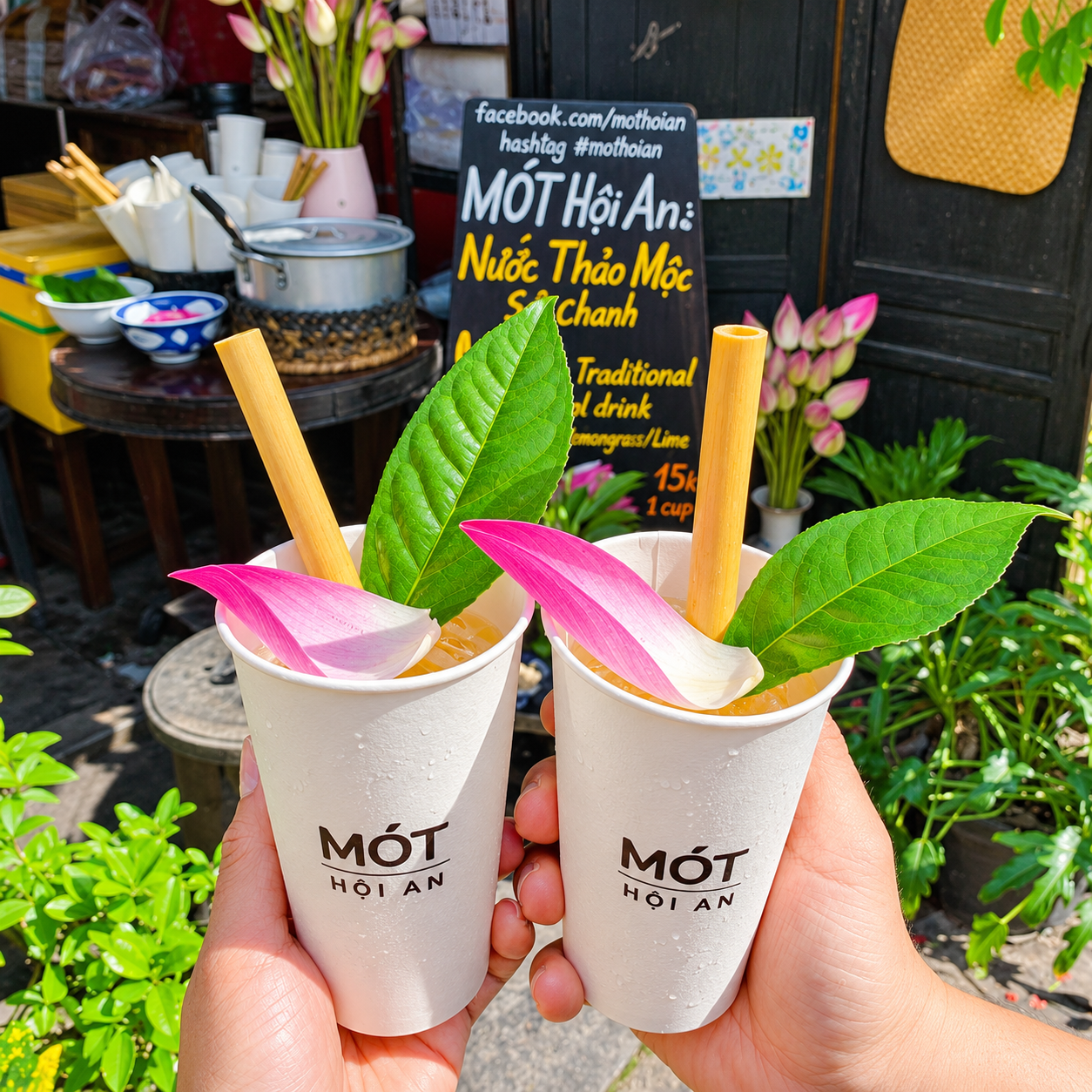
The presentation is part of its charm. A green leaf and delicate lotus petal decorate the cup, giving the drink a recognizable appearance that has become closely associated with Hoi An’s streets. The small shop on Tran Phu Street is a popular stop for visitors who want a quick refreshment between local food experiences. Beyond the original lemongrass and lemon version, the menu also includes variations with honey or ginger.
Where to try:
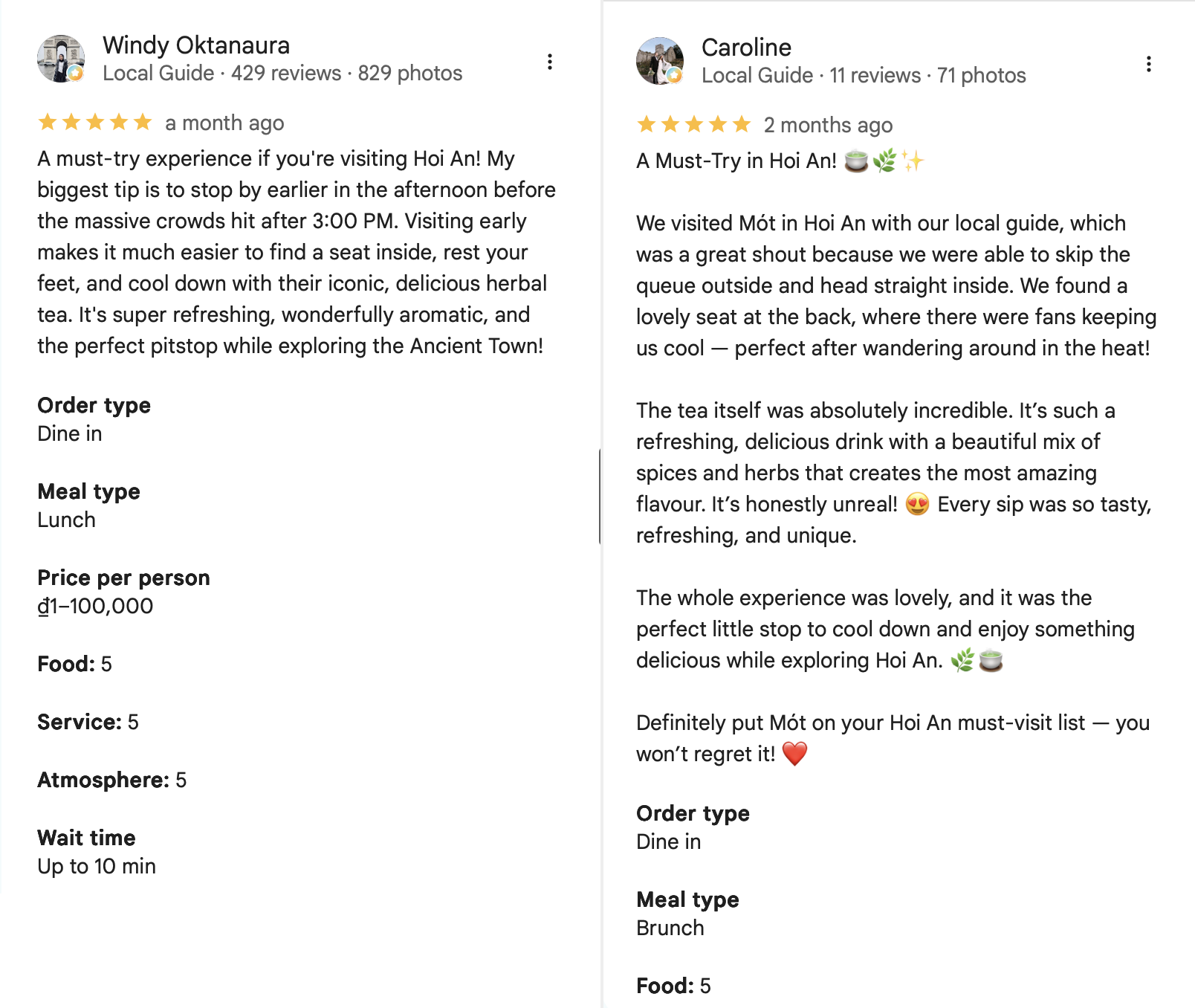
- Mot Hoi An – Herbal Tea (4.5/5 stars on Google) – 150 Tran Phu, Old Town, Hoi An, Da Nang, Vietnam.
Read more: How to choose the best Hoi An cooking classes for your trip
How different flavors come together in Hoi An food
Hoi An’s food scene is a delightful mix of flavors and textures. From savory noodles and crispy street food to delicate rice-based dishes and refreshing desserts, every bite offers a taste of the town’s culinary heritage.
- Savory and aromatic: Cao Lau impresses with chewy noodles and flavorful pork, while Mi Quang stands out for its fragrant, turmeric-infused broth. Hoi An chicken rice brings everything together with tender chicken, aromatic rice, and fresh herbs.
- Crispy and fresh: Nothing beats the crunch of a freshly made Banh Mi, golden Banh Xeo, or crispy fried wontons. Paired with fresh vegetables, herbs, and flavorful sauces, they’re simply irresistible.
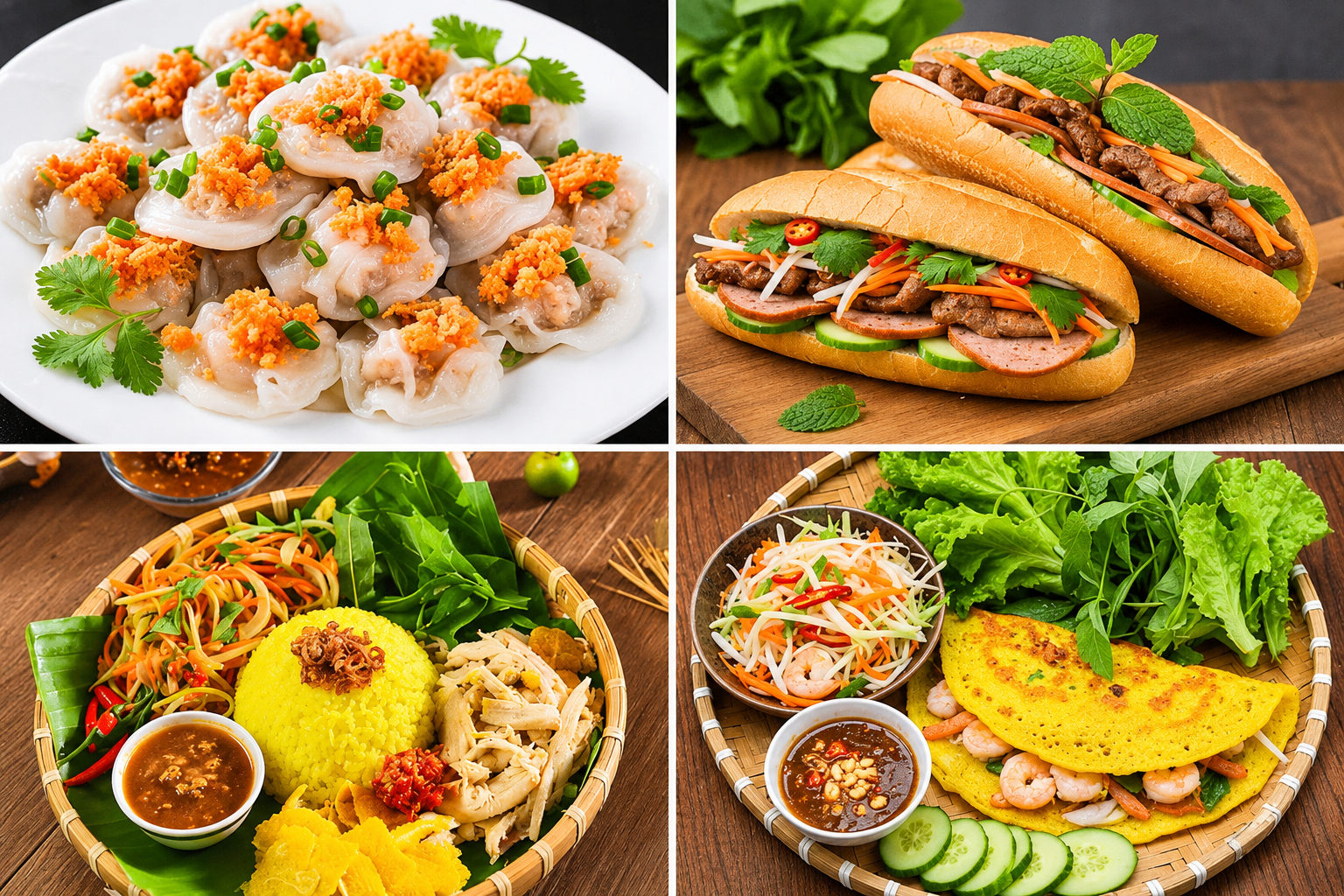
- Soft and delicate: White rose dumplings charm with their thin, translucent wrappers and delicate fillings. Meanwhile, Banh Uot offers a silky texture that showcases the simplicity of traditional rice-based dishes.
- Sweet and refreshing: A bowl of traditional Che or a chilled glass of Mot herbal tea is the perfect treat after exploring Hoi An’s ancient streets, leaving a pleasantly sweet and refreshing finish.
FAQs about What to eat in Hoi An
Is street food in Hoi An safe for tourists?
Yes, generally. Choose busy stalls with fresh ingredients and good hygiene practices.
Can visitors find vegetarian and vegan food in Hoi An?
Yes. Many local restaurants offer vegetarian and vegan versions of traditional Vietnamese dishes.
Do food stalls and local restaurants in Hoi An accept credit cards?
Some restaurants accept cards, but most street food stalls prefer cash.
What time do street food vendors in Hoi An usually close?
Many vendors close between 9 PM and 11 PM, although hours vary by location.
Can tourists request less spicy food or customize their dishes in Hoi An?
Yes. Many vendors can adjust spice levels or ingredients upon request.