




Hoi An is not only famous for its cityscape but also its tempting local food. From a comforting bowl of clam porridge near An Bang Beach to smoky grilled pork skewers and crispy rice paper snacks, Hoi An’s street food reflects the everyday eating habits of local people. This guide introduces 11 Hoi An street foods worth trying, where to find them, how much they cost, and what makes each dish special. You’ll also find a suggested full-day food tour, tips for discovering good local eateries, and an important update on Hoi An’s sidewalk vending restrictions in 2026.
- Top 11 Hoi An local specialties that you must try
- Chao ngheu (Clam congee)
- Banh mi (Vietnamese baguette sandwich)
- Com ga Hoi An (Hoi An chicken rice)
- Cao lau (Hoi An-style pork noodles)
- Banh dap (Smashed rice crackers)
- Banh trang kep (Grilled rice paper)
- Banh beo (Steamed rice cakes)
- Thit nuong (Grilled pork skewers)
- Che Hoi An (Vietnamese sweet soups)
- Banh bao – banh vac (White Rose dumplings)
- Chan ga cay (Spicy chicken feet)
- Suggestions for a full-day food tour experience in Hoi An
- Important update: Hoi An’s sidewalk street food restrictions in 2026
- New restrictions on sidewalk stalls in Hoi An
- Things to keep in mind when following recommendations for old street food spots
- How to recognize a good local food spot in Hoi An
- Notes on food allergies when eating Hoi An street food
- FAQs about Hoi An street food
Top 11 Hoi An local specialties that you must try
Chao ngheu (Clam congee)
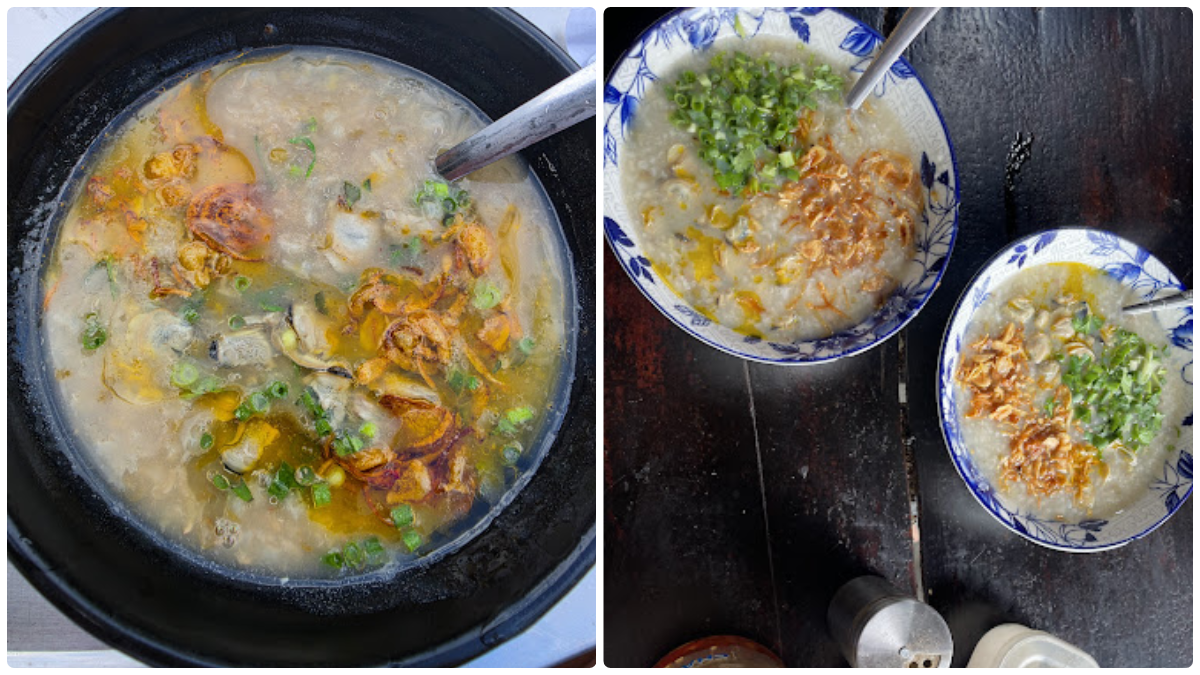
Chao ngheu is a Vietnamese rice porridge cooked with fresh clams, particularly popular around the coastal neighborhoods of Hoi An. So sanh chao ngheu vs chao suon/chao thit bam. Unlike chao suon (pork rib congee), which has a thicker, smoother texture and a rich pork-bone flavor, or chao thit bam (minced pork congee), which is characterized by its mild, savory taste, chao ngheu stands out for its naturally sweet, slightly briny seafood flavor.
The dish starts with rice simmered until soft, often combined with mung beans for a slightly nutty texture. Fresh clams are cooked separately with aromatics before being added to the porridge. A bowl is finished with fried shallots, spring onions, Vietnamese coriander, black pepper, and sometimes pork ribs. Chao Ngheu Co Gio is a popular spot near An Bang Beach, known for its generous portions of fresh clams and rich, flavorful porridge. Meanwhile, Chao Co Tam 8 offers a more modest neighborhood dining experience, serving affordable bowls of clam porridge in a relaxed local setting.
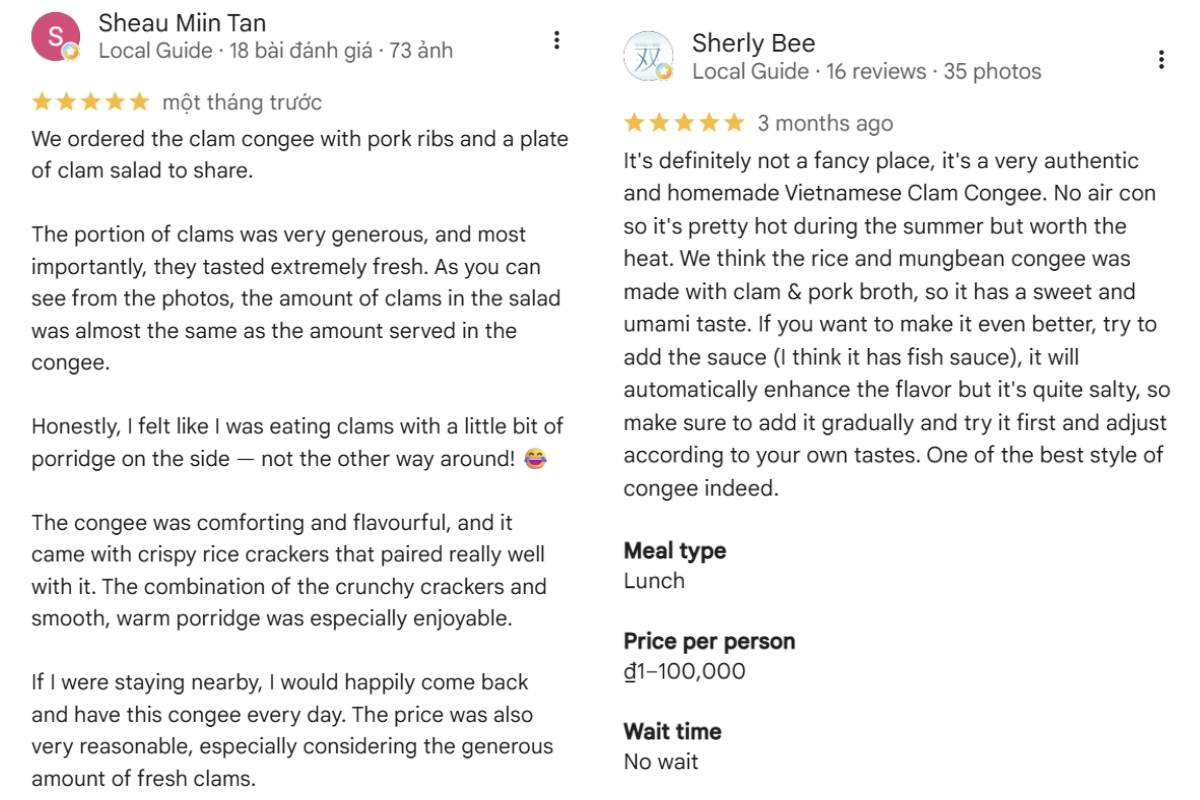
The result is warm, savory, and surprisingly rich in seafood flavor without feeling heavy. Locals often eat it with crispy rice crackers, breaking them into pieces and dropping them into the bowl. Typical price for a bow of Clam congee is about 20,000-50,000 VND.
Where to try:
- Chao ngheu Co Gio (4.6/5 stars on Google) – An Bang, Hoi An Tay, Da Nang
- Chao Co Tam 8 (4.6/5 stars on Google) – An Bang, Hoi An Tay, Da Nang
- Chao ngheu Sau Bieu (4.7/5 stars on Google) – D. Hai Ba Trung, Hoi An Tay, Da Nang, Viet Nam
Banh mi (Vietnamese baguette sandwich)
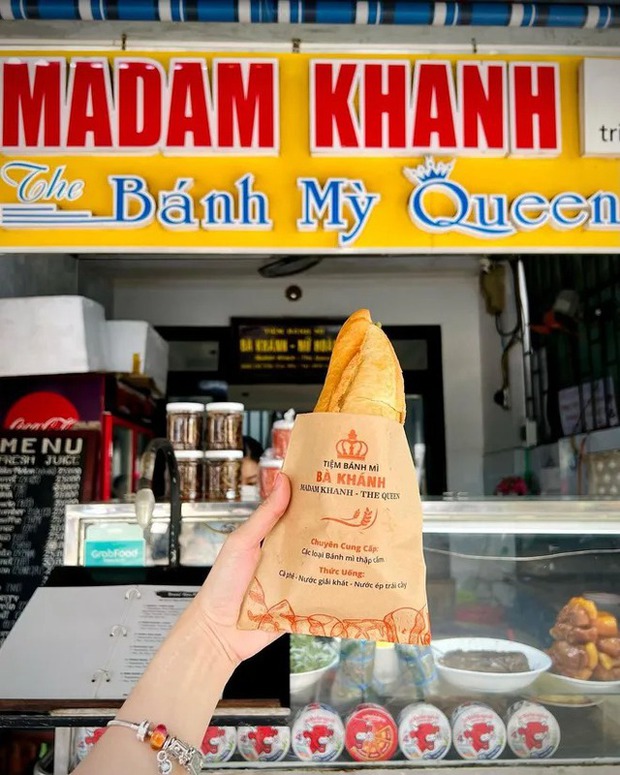
Banh mi is one of Vietnam’s most recognizable street foods, and Hoi An has developed a strong reputation for its own versions of this beloved sandwich. What makes a good Hoi An banh mi memorable is the contrast between its crunchy bread, rich fillings, fresh vegetables, and savory sauces. Each vendor develops its own combination of ingredients, giving even two sandwiches from nearby shops noticeably different flavors. At Madam Khanh, rich sauces and generous fillings create a particularly hearty sandwich. Banh Mi Lanh offers a more everyday street-food experience, with baguettes warmed over charcoal for additional fragrance and crunch.
Hoi An’s banh mi gained international recognition thanks to Anthony Bourdain, the late American celebrity chef, author, and television personality. During his 2009 visit to Banh Mi Phuong for Season 5 of No Reservations, he praised the sandwich as “a symphony in a sandwich” and helped popularize its reputation as one of the best banh mi sandwiches in the world. His endorsement brought worldwide attention to the once-humble local shop, turning it into a popular destination for international food lovers.
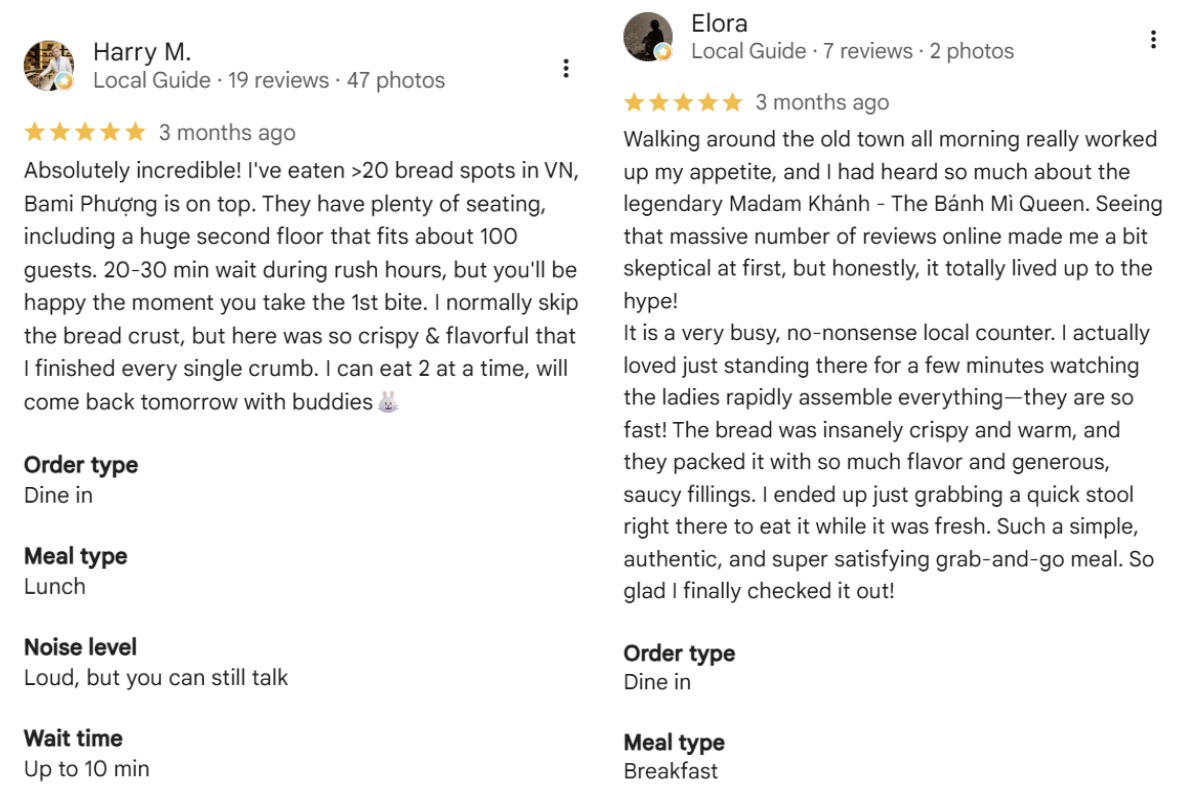
Banh mi is also one of the most convenient foods for travelers. It requires no cutlery, can be taken away, and makes a practical breakfast or snack between sightseeing stops. Hoi An-style banh mi often contains Vietnamese coriander (rau ram) and cilantro, which might not suit the tastes of some international visitors. If you prefer not to have these herbs, be sure to let the shop know in advance. Banh mi typically costs between 10,000 and 45,000 VND (under 2 USD).
Where to try:
- Madam Khanh – The Banh Mi Queen (4.6/5 stars on Google) – 115 D. Tran Cao Van, Hoi An, Da Nang
- Banh Mi Lanh (4.7/5 stars on Google) – 190 Nguyen Duy Hieu, Hoi An Dong, Da Nang
- Banh Mi Phuong (4.3/5 stars on Google) – 2b Phan Chau Trinh, Hoi An, Da Nang 560000, Viet Nam
Com ga Hoi An (Hoi An chicken rice)
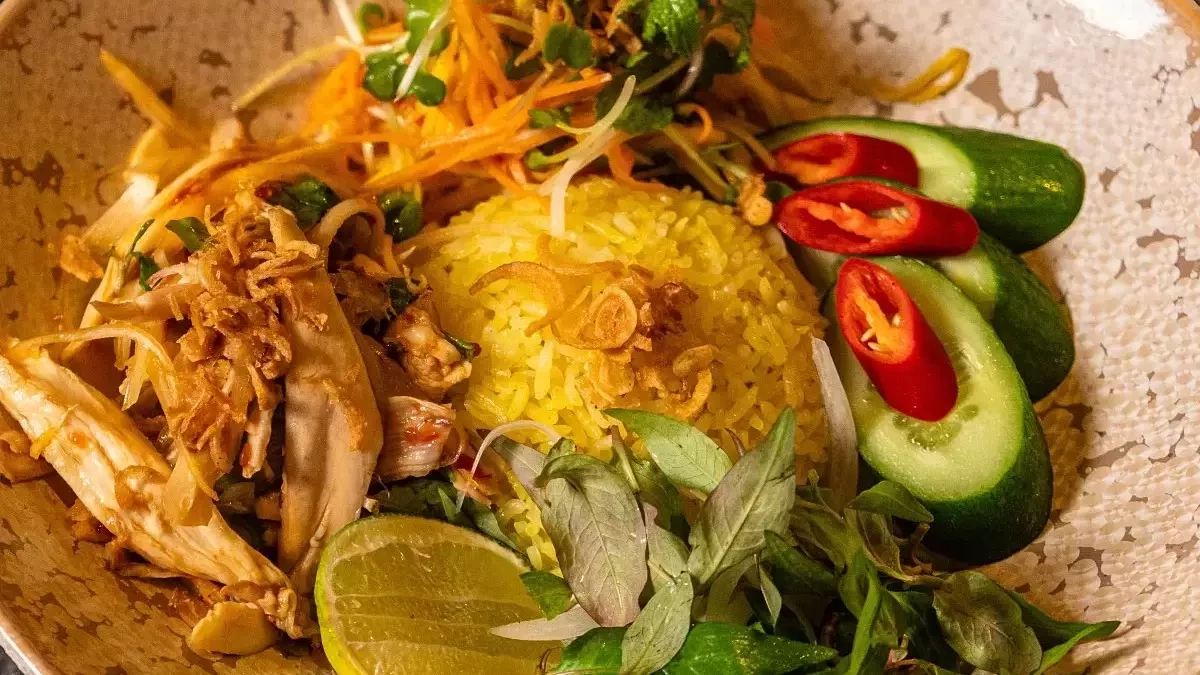
Com ga Hoi An is a signature rice dish that brings together fragrant rice, tender chicken, herbs, and a distinctive Central Vietnamese dressing. Although chicken rice is served throughout Vietnam, the Hoi An version is recognizable for its golden rice, which is cooked in chicken broth and colored with turmeric. The chicken is boiled, shredded into thin strips, and mixed with onions, Vietnamese coriander, and seasonings. Unlike Hainanese chicken rice, which commonly features pieces of poached chicken served alongside rice, Hoi An chicken rice emphasizes shredded chicken, aromatic herbs, and a refreshing balance of sour and savory flavors.
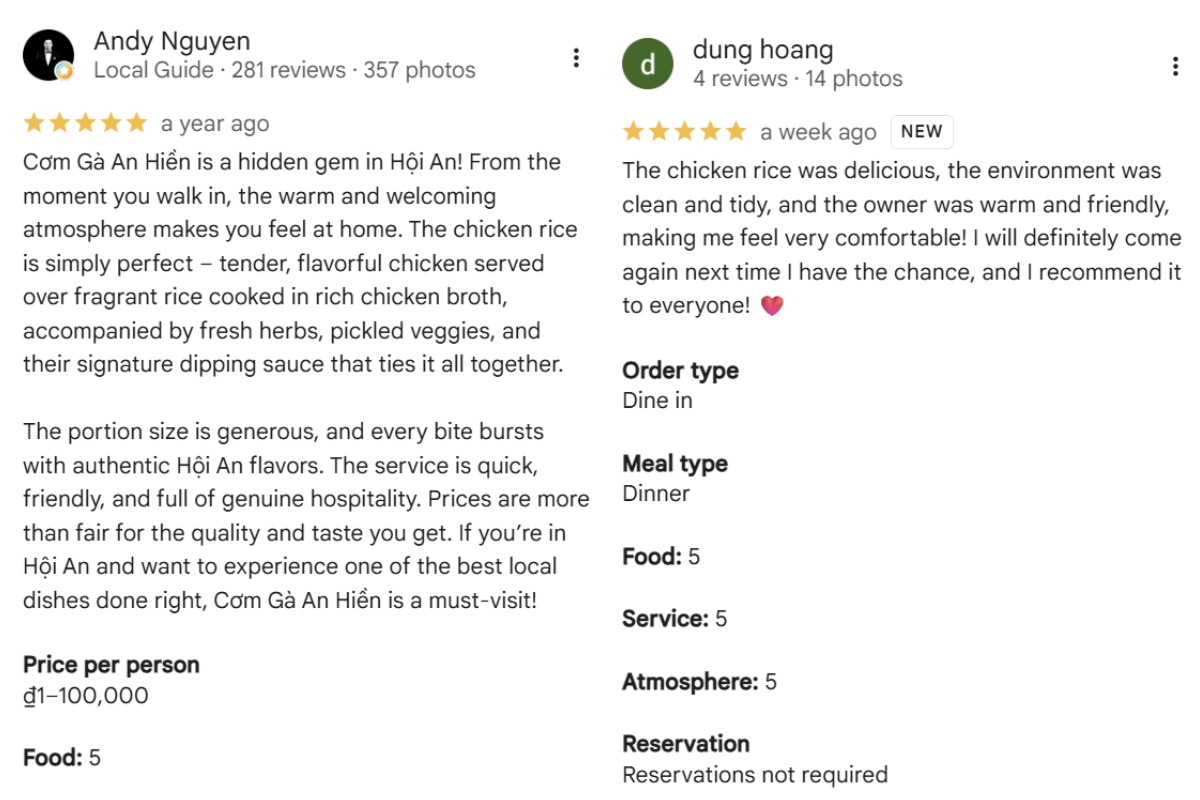
Com Ga Ba Nga is one of Hoi An’s well-known chicken rice restaurants, serving fragrant golden rice with tender shredded chicken and traditional local accompaniments. An Hien Chicken Rice is another option for enjoying Hoi An-style chicken rice and flavorful chicken salad in a casual dining setting. The price for a plate of Hoi An chicken rice is very affordable, ranging from just 25,000 to 50,000 VND, depending on the portion size and any additional toppings you choose.
Where to try:
- Com ga Ba Nga Hoi An (4.6/5 stars on Google) – 09 Phan Chau Trinh, Old Town, Hoi An, Da Nang
- An Hien Chicken Rice (3.9/5 stars on Google) – 192/1 Ly Thuong Kiet, Hoi An, Da Nang
- Com Ga Hien (4.3/5 stars on Google) – 593 D. Hai Ba Trung, Hoi An, Da Nang 550000, Viet Nam
Read more: Hoi An Ancient Town Walking Tour
Cao lau (Hoi An-style pork noodles)
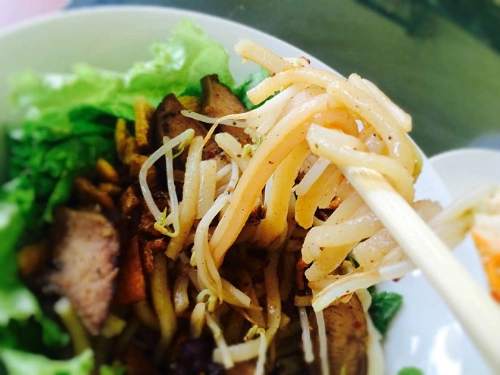
Cao lau is closely associated with Hoi An’s history as an international trading port. The dish is particularly famous for its thick, firm rice noodles, which have a chewy texture unlike pho or the softer noodles used in mi Quang. Although other Vietnamese noodle dishes offer plenty of broth, cao lau is intentionally served with very little liquid.
Traditional noodle-making methods involve treating rice with alkaline ash water, followed by several stages of steaming. Local stories also connect the noodles to water drawn from Hoi An’s historic wells. The British newspaper The Guardian once featured an article celebrating cao lau as a culinary symbol of the ancient town of Hoi An, reflecting the cultural exchange brought about by merchants in the past.
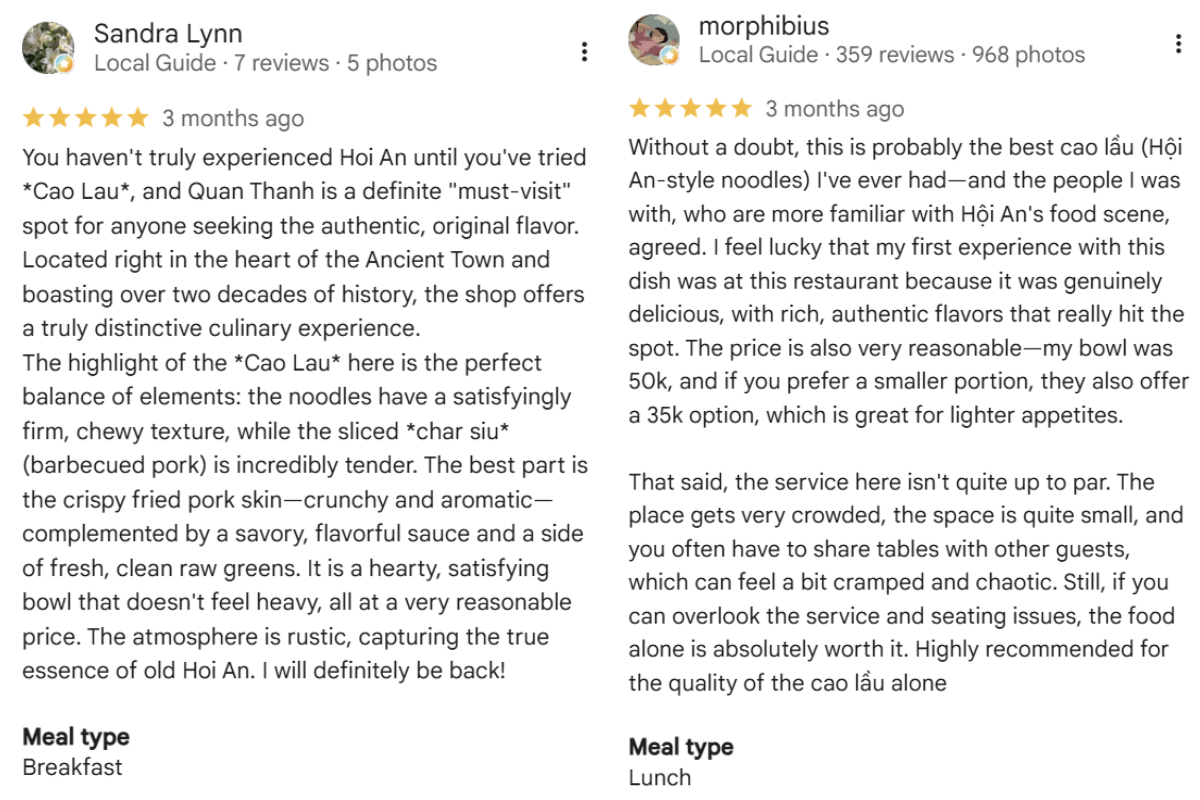
Quan Cao Lau Thanh is a long-running family eatery that specializes in serving traditional cao lau with chewy noodles, savory pork, and fresh herbs. Cao Lau Khong Gian Xanh is located near the Japanese Covered Bridge and offers cao lau alongside other local specialties, making it a convenient dining stop while exploring the Ancient Town.
A bowl of cao lau contains sliced roasted or braised pork, bean sprouts, fresh herbs, crunchy noodle crackers, and a small amount of concentrated savory broth. Instead of eating it like noodle soup, mix everything together before taking your first bite. The flavor is rich, herby, and slightly smoky, while the combination of chewy noodles and crispy toppings gives cao lau its distinctive texture. Cao lau is often topped with crunchy roasted peanuts. If you have an allergy to this ingredient, please inform the owner when placing your order.
Normally, a bowl of cao lau costs between 30,000 and 55,000 VND, making it an accessible, everyday dish for the general public.
Where to try:
- Quan Cao lau Thanh (4.6/5 stars on Google) – 26 Thai Phien, Hoi An, Da Nang
- Cao lau Khong Gian Xanh (4.6/5 stars on Google) – 687 D. Hai Ba Trung, Old Town, Hoi An, Da Nang
- Cao lau Lien (4.4/5 stars on Google) – 47/30 Tran Hung Dao, Phuong, Hoi An, Da Nang, Viet Nam
Banh dap (Smashed rice crackers)
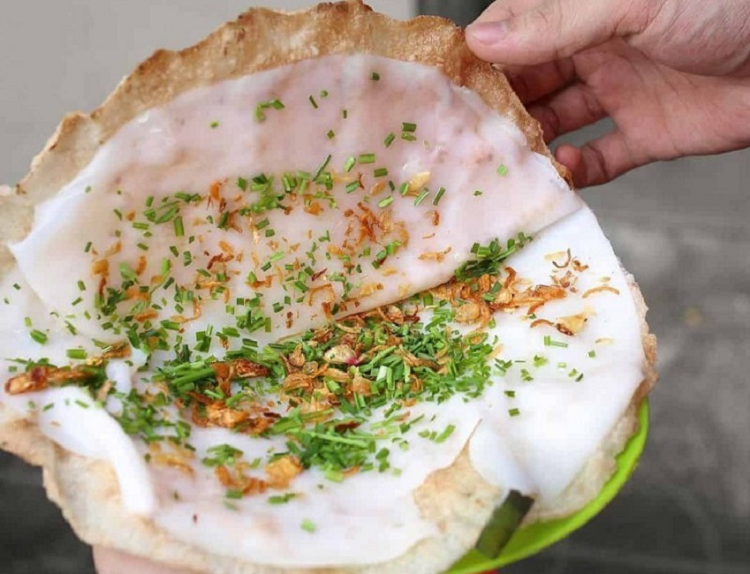
Banh dap is one of the most entertaining Hoi An snacks because eating it involves a little hands-on preparation. Its name comes from the Vietnamese word “dap” meaning to hit or smash. The dish combines two layers of rice paper: one is steamed until soft and chewy, while the other is toasted until crispy. The layers are placed together, then gently pressed or smashed by hand so the crunchy sheet breaks and sticks to the softer one. Tear off a piece, dip it into mam nem (fermented anchovy sauce), and enjoy the contrast between crispy and chewy textures.
Banh dap is especially associated with Cam Nam, an area across the river from Hoi An Ancient Town. Here, it is commonly served alongside hen xao, a dish of stir-fried baby clams seasoned with herbs, onions, and spices. While smashed rice crackers are eaten in other parts of Central Vietnam, the pairing with baby clams is a distinctive part of Hoi An’s food culture.
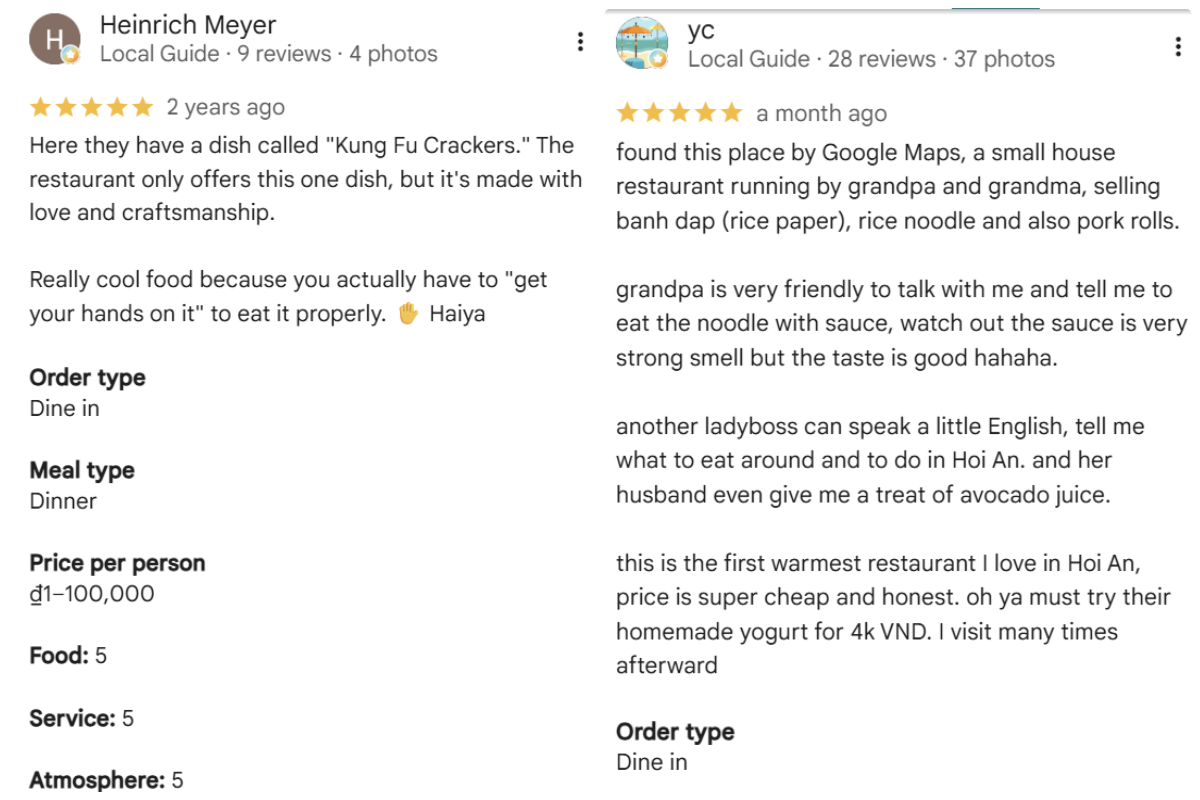
Typical price: 10,000-25,000 VND for banh dap; 30,000-50,000 VND for portions served with clams. Please note that Mam nem contains fermented fish. Stir-fried clam accompaniments contain mollusks, and some recipes include peanuts or dried shrimp.
Where to try:
- Banh dap Ni Ba Gia (4.7/5 stars on Google) – 34 Nguyen Tri Phuong, Hoi An, Da Nang
- Banh dap Co Sau (5.0/5 stars on Google) – 65 Thai Phien, Hoi An, Da Nang 550000
- Banh dap Co Cu – Hoi An Tay (5.0/5 stars on Google) – K88 Nguyen Truong To, Hoi An Tay, Da Nang
Banh trang kep (Grilled rice paper)
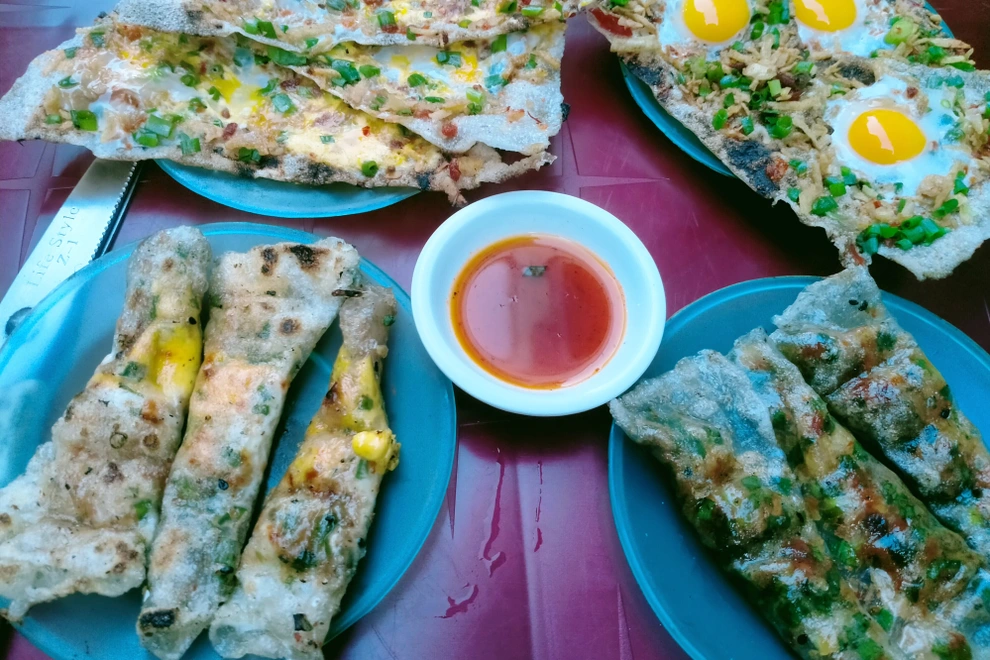
Banh trang kep is the kind of afternoon snack that Vietnamese students love sharing with friends after school. The name literally means “sandwiched rice paper.” Thin rice paper is combined with ingredients such as eggs, pate, dried beef, spring onions, or minced meat before being grilled until crispy.
The finished snack is crunchy, slightly chewy, savory, and especially satisfying with its accompanying chili or dipping sauce. A good way to enjoy banh trang kep is to visit with friends and order several varieties to share. Try an egg version first, followed by a richer option with pate or meat.
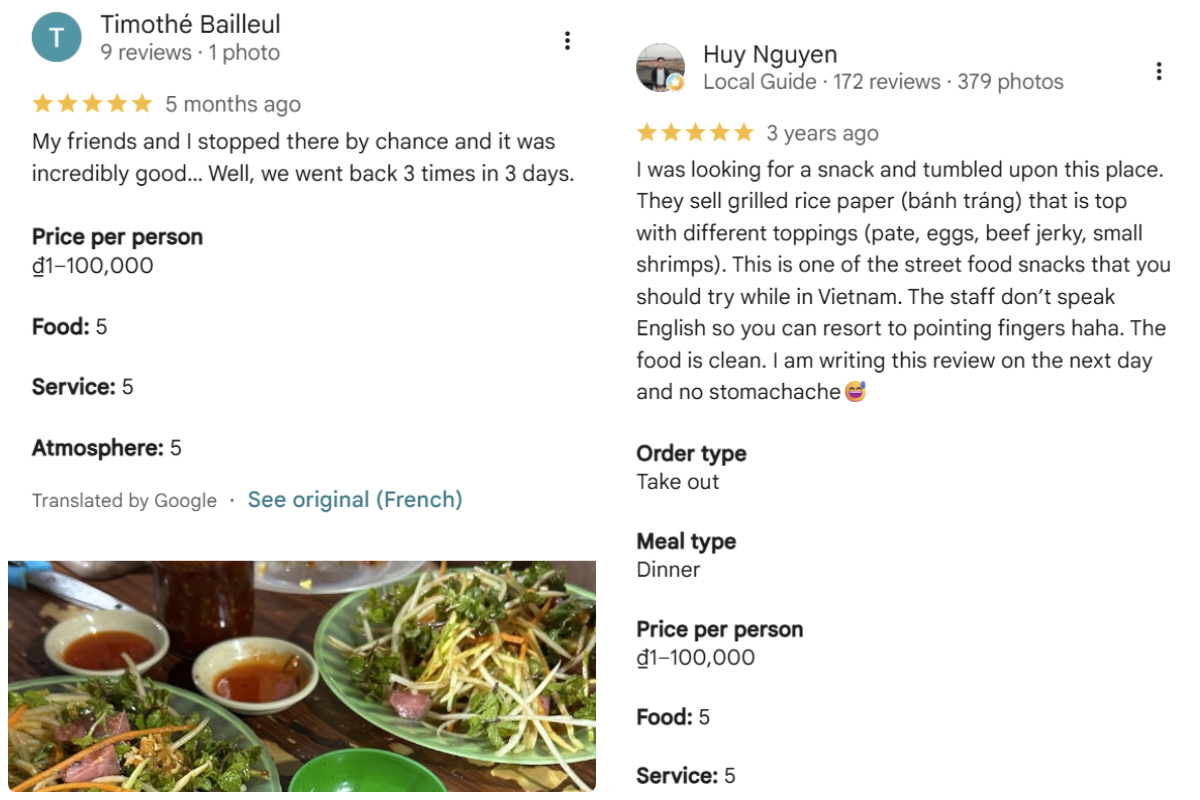
Co Mai Banh Kep – Goi Tron is a casual local snack shop where diners can enjoy crispy grilled rice paper with various fillings, including eggs, pate, and dried beef, alongside Vietnamese mixed salads. Typical price ranges from 10,000-30,000 VND per snack or small serving, depending on the fillings.
Where to try:
- Co Mai Banh Kep – Goi Tron (4.2/5 stars on Google) – 182 Ly Thai To, Hoi An Dong, Da Nang, Viet Nam
- Banh kep co Lien (5/5 stars on Google) – 66 Ba Trieu, Hoi An, Da Nang, Viet Nam
- Banh Xeo, Thit Nuong, Nem Lui Ba 9 (4.7/5 stars on Google) – Kiet 92 Phan Chau Trinh, Hoi An, Da Nang 560000, Viet Nam
Read more: Rice Paper Making & Cooking Class in Kim Bong Village
Banh beo (Steamed rice cakes)
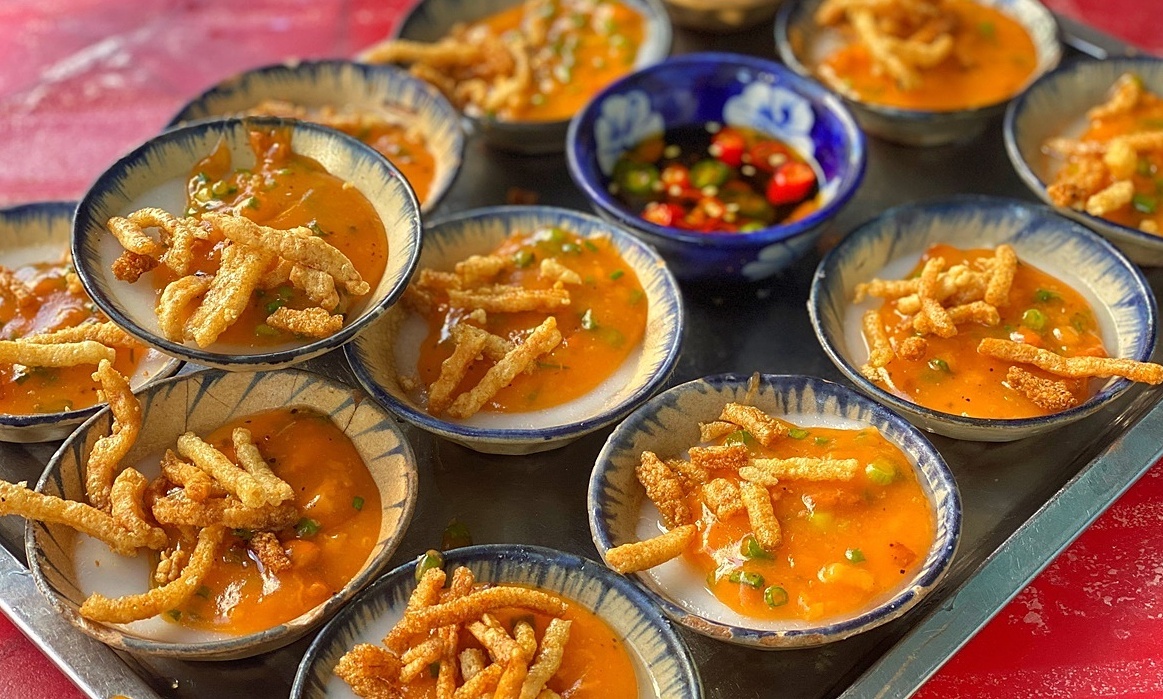
Banh beo is a traditional Vietnamese snack made from steamed rice flour batter, served in small, shallow dishes. The name translates to “water fern cake,” inspired by the shape of the little rice cakes. Although banh beo is popular throughout Central Vietnam, especially in Hue, Hoi An has its own rustic version.
Hoi An banh beo is typically topped with a savory mixture made from shrimp, pork, or other local ingredients. Fried shallots, scallion oil, and crispy toppings add fragrance and texture. A seasoned fish sauce brings everything together. Compared with Hue’s often smaller and more delicate banh beo, Hoi An’s version is commonly served in slightly larger bowls with a heartier topping.
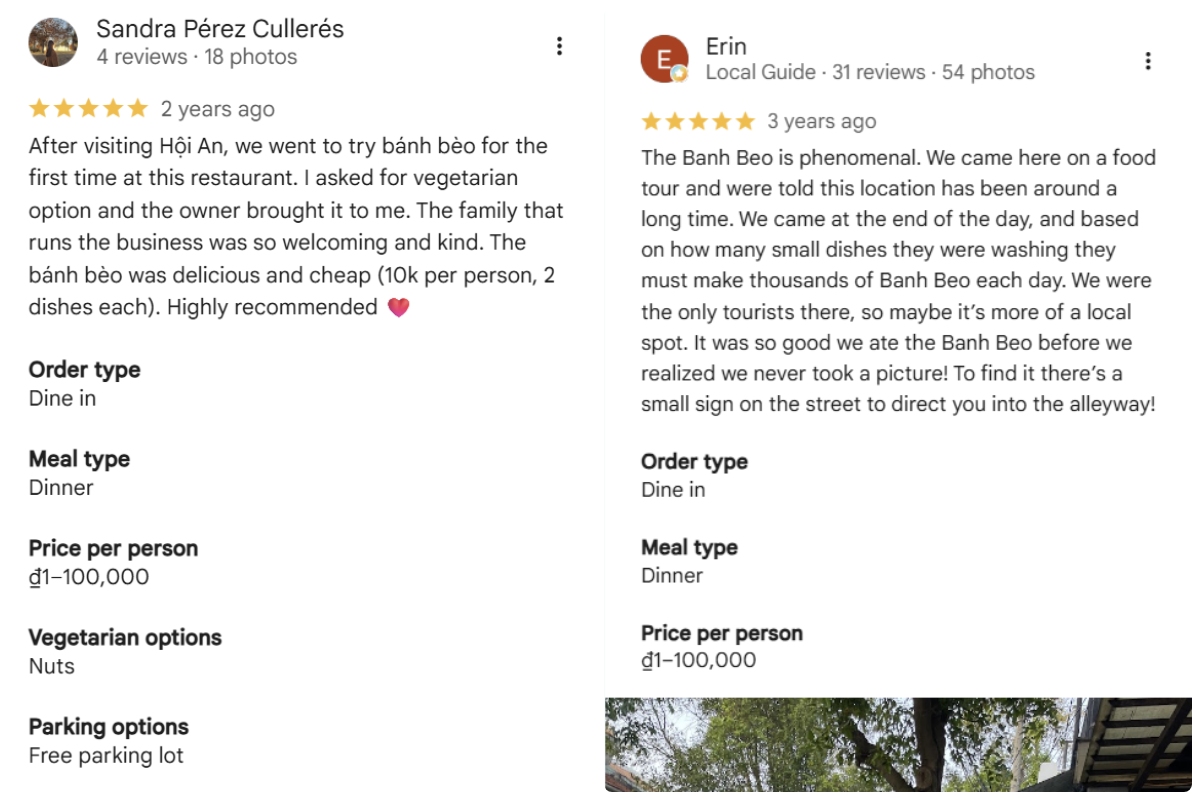
Since each serving is small, banh beo is an ideal snack to share when exploring several food stops in one afternoon. Typical price for banh beo is about 15,000-35,000 VND per small plate or set. Toppings commonly contain shrimp, pork, and fish sauce. Some versions include dried seafood so this dish can cause allergies to some people.
Where to try:
- Banh beo Co Tu Hem (4.5/5 stars on Google)– 77/1 Phan Dinh Phung, Hoi An Tay, Da Nang
- Banh beo Ba Bay (4.7/5 stars on Google) – 2 Hoang Van Thu, Old Town, Hoi An, Da Nang
- Banh Beo Co Xe (5/5 stars on Google) – 613 Nguyen Tat Thanh, Hoi An Tay, Da Nang, Viet Nam
Thit nuong (Grilled pork skewers)
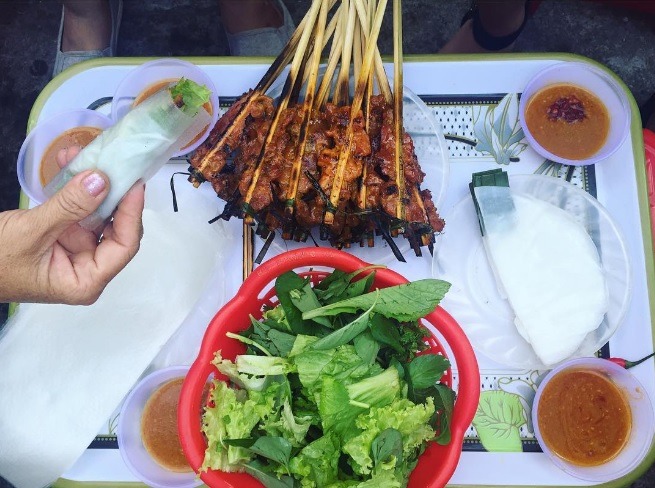
Follow the smell of charcoal and sizzling marinated pork, and you will understand why thit nuong is one of Hoi An’s most tempting street foods. The dish features thin slices of pork marinated with garlic, lemongrass, sugar, fish sauce, and aromatic spices. The pork is threaded onto bamboo skewers and grilled until the edges turn golden and slightly caramelized.
What makes the Hoi An experience especially enjoyable is the way the pork is served. Instead of eating the skewers alone, diners receive rice paper, fresh herbs, vegetables, and dipping sauce to make their own rolls. The eating experience is informal and interactive, with everyone preparing their own rolls at the table. of a portion of grilled pork is about 50,000-100,000 VND.
Where to try:
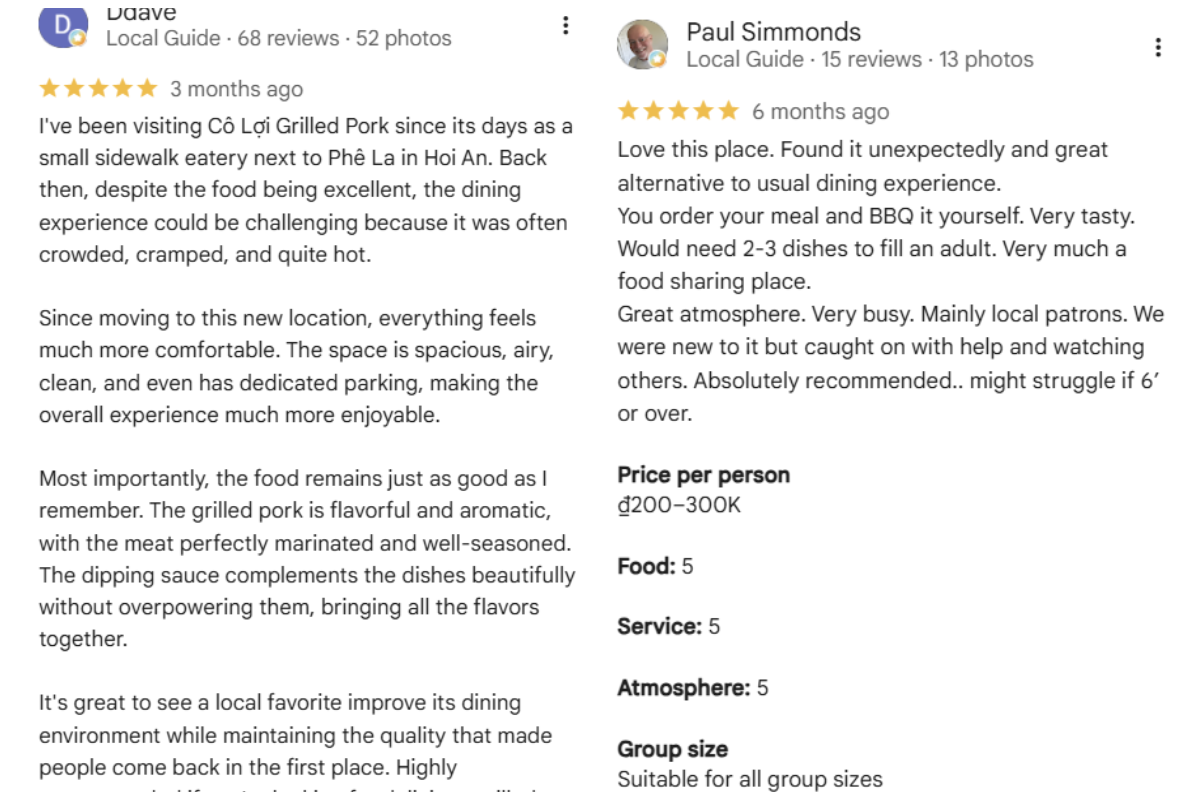
- Thit Nuong Co Loi Hoi An (4.8/5 stars on Google) – A local grilled pork eatery on Ly Thai To Street, serving skewers with rice paper, herbs, and dipping sauce.
- Banh Xeo, Thit Nuong, Nem Lui Ba 9 (4.7/5 stars on Google) – Kiet 92 Phan Chau Trinh, Hoi An, Da Nang 560000, Viet Nam
- Moi – BBQ & Hot Pot (4.7/5 stars on Google) – 55 18 Thang 8, Hoi An, Da Nang, Viet Nam
Che Hoi An (Vietnamese sweet soups)
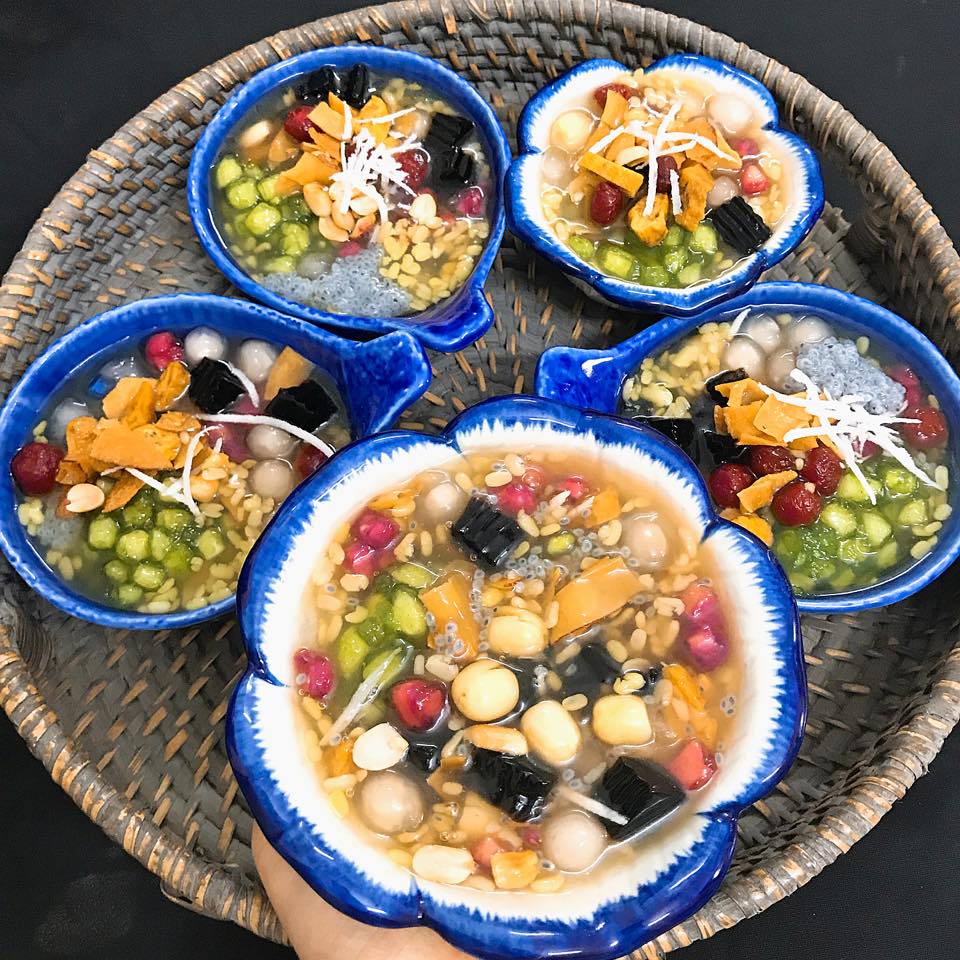
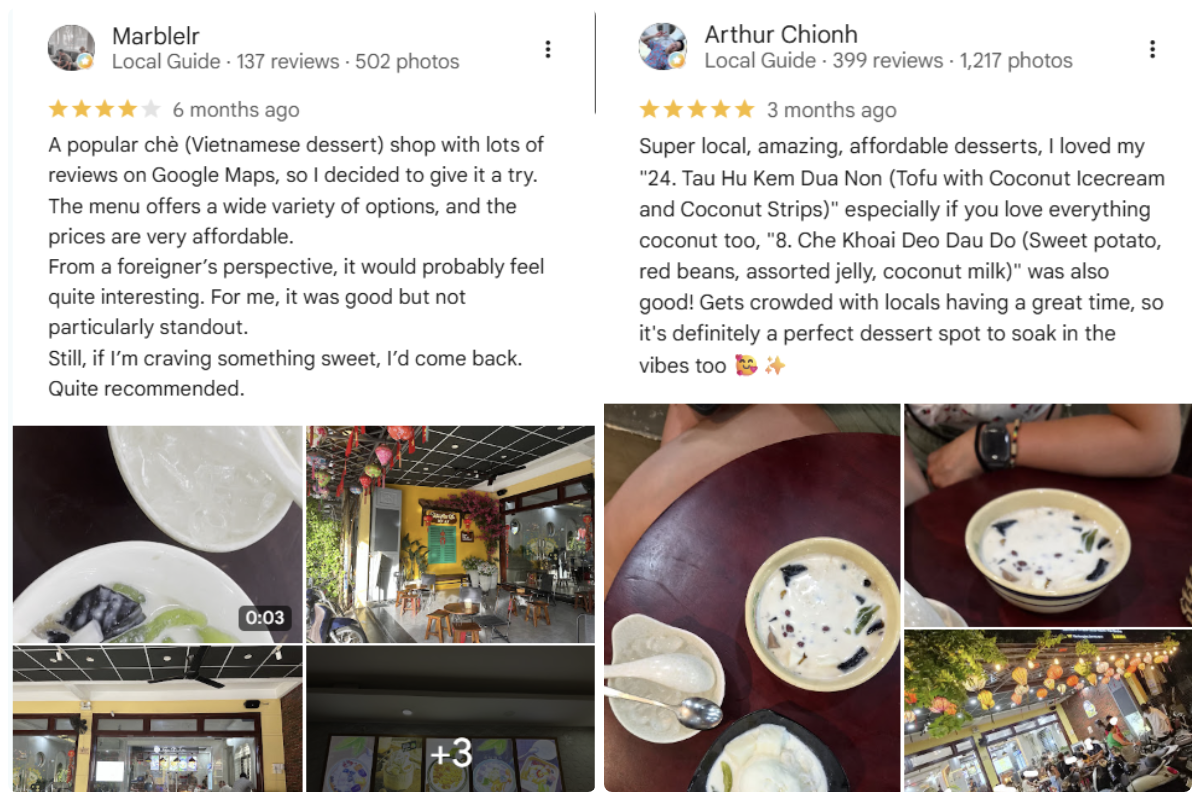
Che is a broad category of sweet soups, puddings, and dessert drinks made with ingredients such as beans, glutinous rice, jelly, lotus seeds, corn, coconut milk, and sugar. Hoi An has a particularly interesting local variation: che bap, or sweet corn pudding. The dish is closely connected to Cam Nam, where corn has traditionally been grown on the fertile riverside land. Fresh corn is cooked until tender and gently sweetened, then served with coconut milk. The result is creamy, fragrant, and less intensely sweet than many colorful, syrup-heavy desserts. Other popular choices include che dau xanh (mung bean sweet soup), che dau do (red bean sweet soup), and che thap cam (mixed sweet dessert).
Some varieties are served warm, while others come with ice. This makes che equally enjoyable as an afternoon refreshment or a dessert after dinner. Typical price: 10,000-30,000 VND per bowl or cup. Che can contain coconut milk, peanuts, sesame, dairy products. Always identify the ingredients in a mixed che before ordering.
Where to try:
- Tiem che Xiu (4.6/5 stars on Google) – 157 Tran Hung Dao, Hoi An, Da Nang, Viet Nam
- Che 2 di (4.5/5 stars on Google) – 127 Tran Phu, Old Town, Hoi An, Da Nang
- Che Xi Ma (4.7/5 stars on Google) – 108 Nguyen Truong To, Hoi An, Da Nang
- Che Ba Tho (4.7/5 stars on Google) – 621/4 D. Hai Ba Trung, Hoi An, Da Nang 084235, Viet Nam
Banh bao – banh vac (White Rose dumplings)
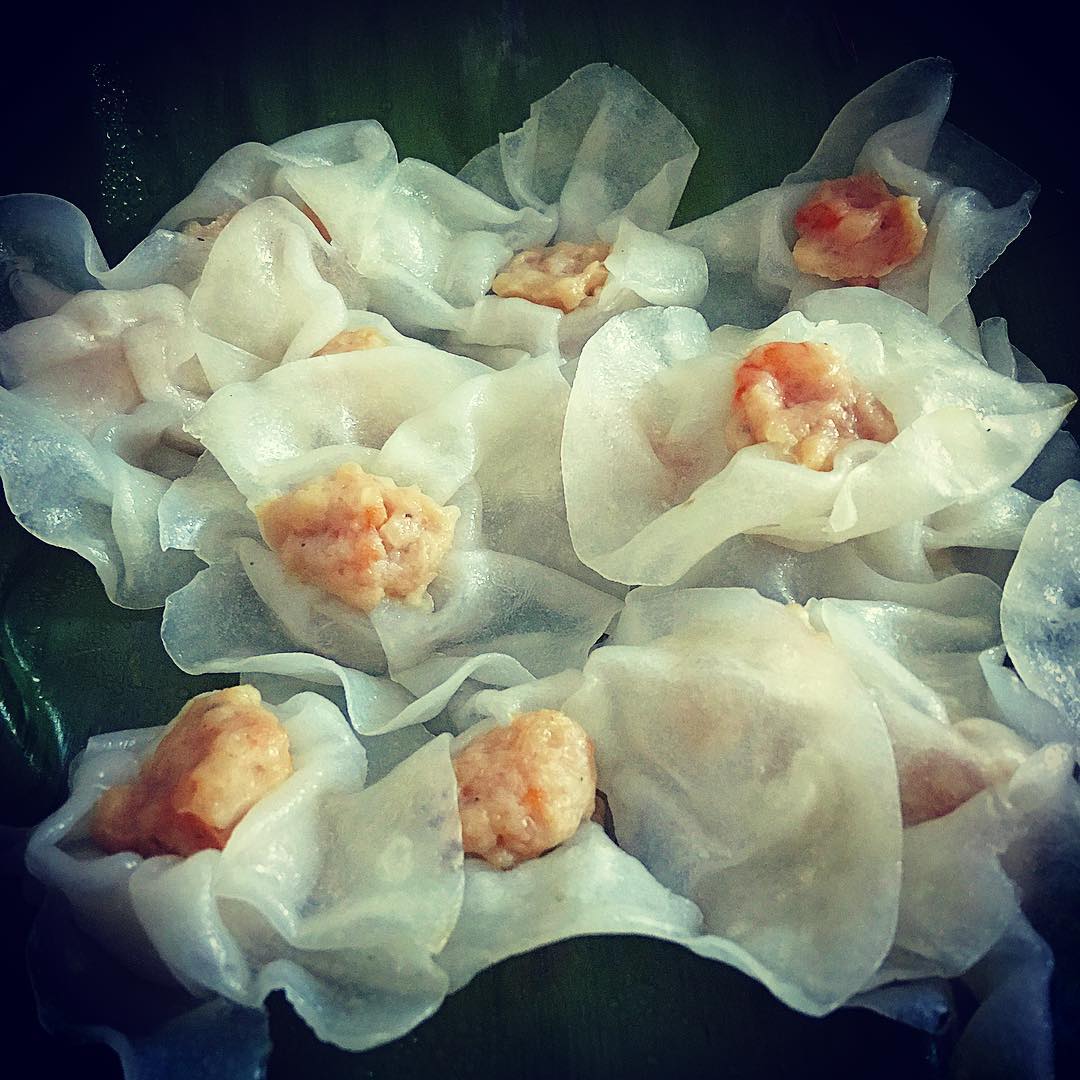
Banh vac is one of Hoi An’s most recognizable traditional dumplings, often served together with banh bao under the name “White Rose dumplings.” The nickname comes from the delicate appearance of the steamed dumplings, whose thin, white wrappers resemble flower petals.
The dumplings are made from carefully prepared rice flour dough, rolled into thin wrappers and filled with seasoned ingredients. Banh bao commonly uses shrimp, while banh vac features combinations of pork, mushrooms, vegetables, and other aromatics.Both are steamed until the wrappers become soft and slightly translucent. Fried shallots add a crispy, fragrant topping, and a light dipping sauce complements the delicate filling.
Unlike heavier fried dumplings, White Rose dumplings have a gentle flavor and tender texture. They are a good choice for travelers who want to explore Hoi An’s traditional food without eating another full rice or noodle meal. Banh bao or banh vac often cost 35,000-80,000 VND per plate.
Where to try:
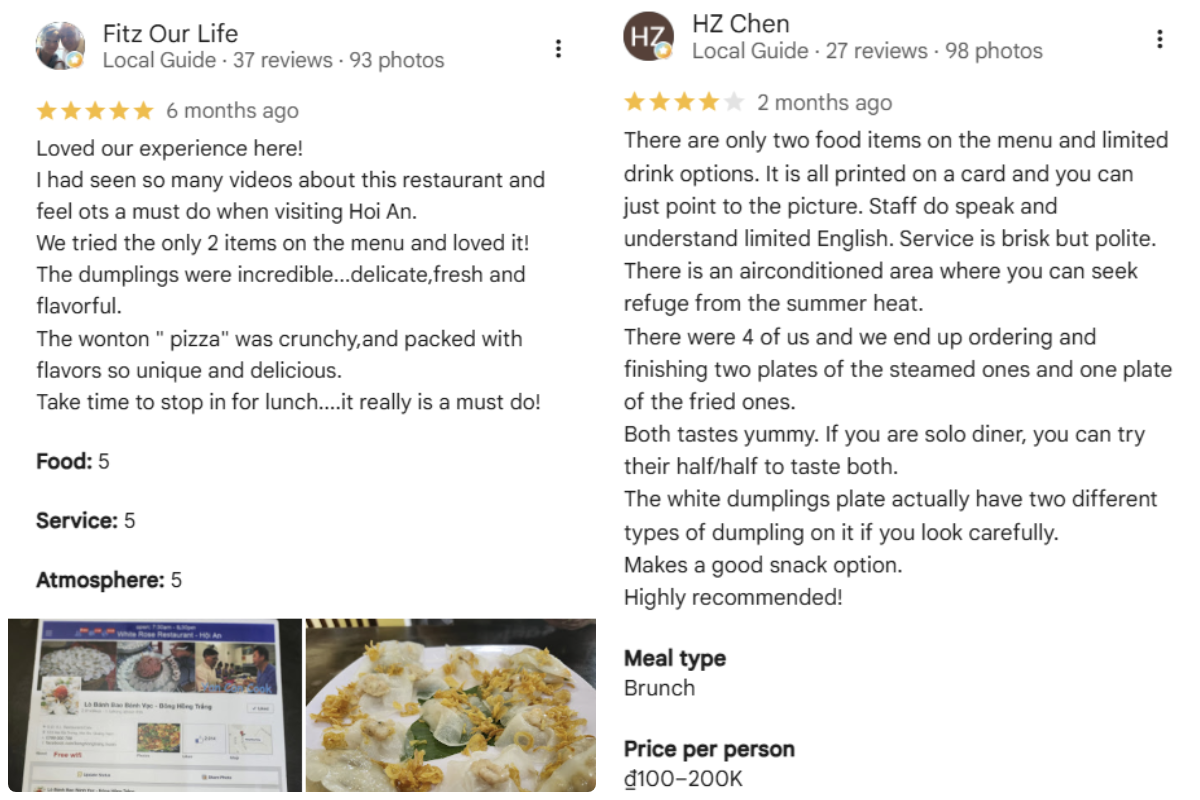
- White Rose Restaurant (4.3/5 stars on Google) – 533 D. Hai Ba Trung, Hoi An, Da Nang
Chan ga cay (Spicy chicken feet)
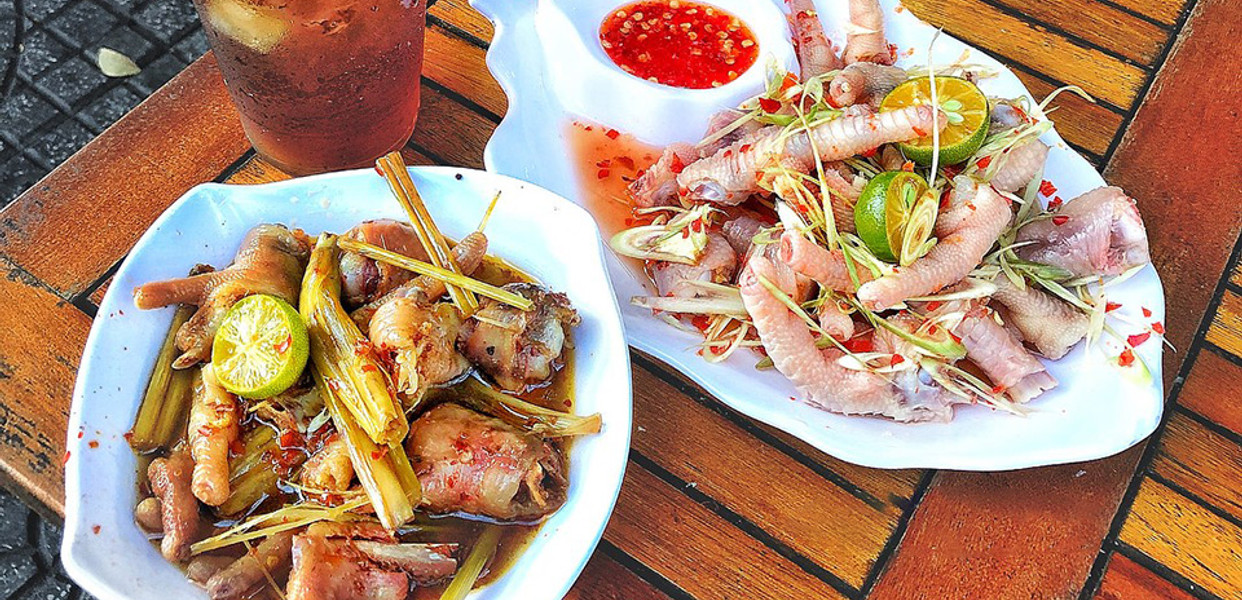
Chan ga cay is a more contemporary snack that reflects the casual eating culture of younger Vietnamese locals. Chicken feet are cleaned, cooked and coated in a rich, spicy sauce. Depending on the preparation, the sauce combines chili, garlic, lemongrass, sugar, and other seasonings to create a powerful mix of heat, sweetness, and savory flavor.
Unlike a typical chicken dish, chicken feet contain very little meat. People enjoy them for their chewy skin, soft cartilage, and sauce-coated texture. The dish is commonly shared among groups of friends, making it more of a social snack than a traditional main course. If you have never tried chicken feet before, this is an opportunity to experience a side of Vietnamese street-food culture beyond the famous tourist specialties. The typical price for chicken feet is about 35,000-50,000 VND per serving.
Where to try:
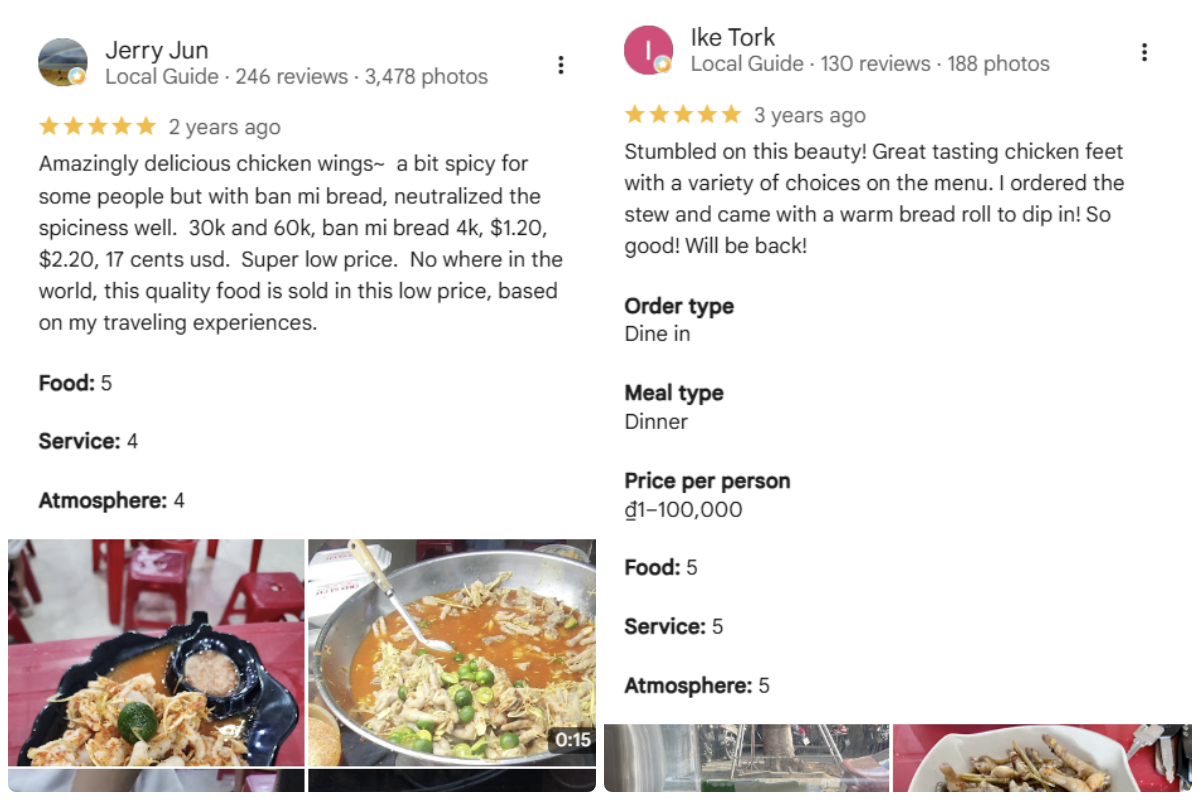
- Chan Ga Cay – Hoi An (3.9/5 stars on Google) – 238 Ly Thuong Kiet, Hoi An, Da Nang
- Chan ga ham Ăn La Ghien (4.4/5 stars on Google) – 240 Lý Thuong Kiet, Hoi An, Da Nang, Viet Nam
Suggestions for a full-day food tour experience in Hoi An
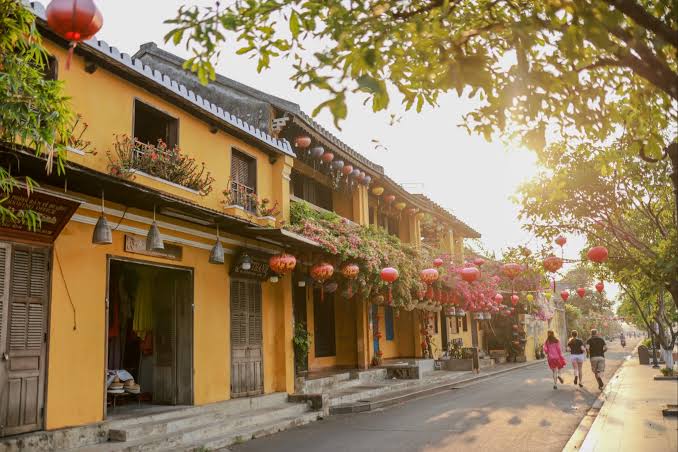
With so many tempting dishes, the biggest challenge is deciding what to eat first. Rather than ordering full portions at every stop, plan a food tour around different times of day and share smaller snacks whenever possible. Here is a suggested itinerary combining traditional meals, savory snacks, and sweet treats.
| Time | What to eat | Suggested experience |
| Morning, 7:00-9:00 | Cao lau or chao ngheu | Start with a traditional noodle breakfast in town, or enjoy clam porridge near An Bang Beach |
| Lunch, 11:30-13:00 | Com ga Hoi An | Sit down for chicken rice and take a break from walking |
| Afternoon, 14:00-16:30 | Banh dap, banh beo, or banh trang kep | Share two or three small snacks rather than eating another full meal |
| Sweet break, 16:30-17:00 | Che Hoi An | Enjoy sweet corn pudding or another traditional dessert |
| Early evening, 17:00-19:00 | Thit nuong | Make your own grilled pork rolls with fresh herbs and rice paper |
| Late-evening snack | Banh mi or another local snack | Finish with a takeaway sandwich at Banh Mi Lanh if you still have room |
For a comfortable tour, arrange the stops geographically instead of traveling back and forth across town. The Ancient Town and its surrounding neighborhoods are convenient for exploring several small eateries, while the Cam Nam area is worth visiting for banh dap and clam dishes.
Budget around 200,000-350,000 VND per person for a day of local food, depending on how many dishes you order and share. A few more tips for a satisfying food tour:
- Bring small-denomination Vietnamese banknotes to pay easily at neighborhood food stalls.
- Share dishes such as banh dap, grilled pork, and banh trang kep so you have room to try more.
- Leave time between substantial meals. Cao lau and chicken rice are both filling dishes.
- Wear comfortable clothes and shoes, especially when exploring smaller alleys or crossing into Cam Nam.
- Save the Google Maps locations before leaving your hotel and group nearby food stops together.
Read more: Hoi An Street Food Tour
Important update: Hoi An’s sidewalk street food restrictions in 2026
Hoi An’s street-food scene has changed in 2026. Travelers following older travel blogs, food videos, or social media recommendations need to pay attention to the town’s updated sidewalk trading restrictions.
New restrictions on sidewalk stalls in Hoi An
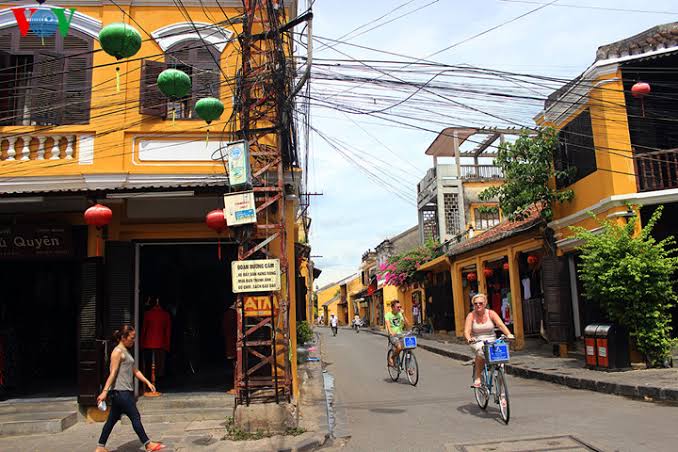
In March 2026, Da Nang authorities launched a campaign to restore order on public sidewalks and roads, including those in Hoi An. The enforcement measures prohibit businesses and vendors from occupying sidewalks and roadways for unauthorized commercial activities. In Hoi An’s historic pedestrian areas, the measures also target pushcarts, street stalls, and food businesses that obstruct public walkways. The campaign aims to keep pedestrian routes clear, protect the Ancient Town’s appearance, and improve safety for residents and visitors. Following the enforcement measures, several longtime sidewalk vendors and small food businesses relocated their operations. Some put up signs directing customers to their new locations.
Things to keep in mind when following recommendations for old street food spots
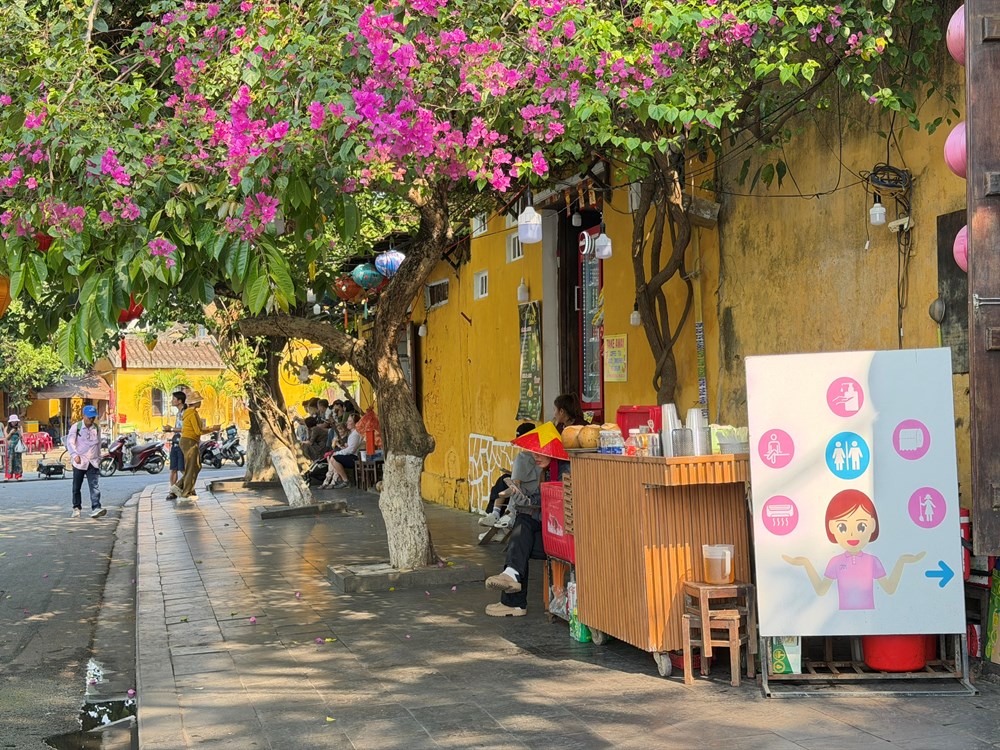
You should be careful when browsing blog posts or TikTok videos that are older than 2026 when exploring Hoi An’s cuisine. Before heading out, follow these practical steps:
- Check the vendor’s current Google Maps location rather than relying on a street address from an older article.
- Look for recent customer photos and reviews showing the present shopfront and entrance.
- Check whether the business has announced a relocation on its social media pages.
- Use the restaurant’s name in Vietnamese when searching for updated directions.
- Follow signs at a former shop location that direct customers to a new address.
This is particularly important for small stalls that previously operated on public sidewalks or sold food from pushcarts. This change only affects small sidewalk stalls; family-run establishments or restaurants remain largely unaffected.
How to recognize a good local food spot in Hoi An
In Hoi An-especially within the heart of the Ancient Town-there are many eateries that look appealing, yet not everyone knows how to choose one that is both delicious and reputable. You may find the following tips helpful.
A shop with big chubby pet
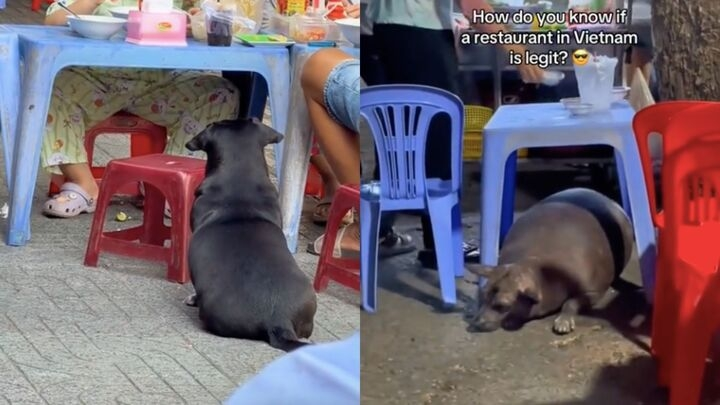
A plump cat sleeping by the doorway or a relaxed dog lounging near the entrance gives a small family-run eatery an unmistakably lived-in character. The presence of a plump pet at the entrance or under a table in an eatery serves as an implicit sign that the establishment is always busy and well-stocked with fresh, delicious food. It also reflects the friendly and approachable nature of the owner and the staff.
A short menu focused on one or two specialties
Some of Hoi An’s most memorable local eateries focus on just one dish. This specialization allows a small kitchen to repeat and refine the same cooking process every day. It also simplifies ordering. Instead of studying a long menu, you visit the shop for the particular dish it is known for.
A hidden alley location that still attracts customers
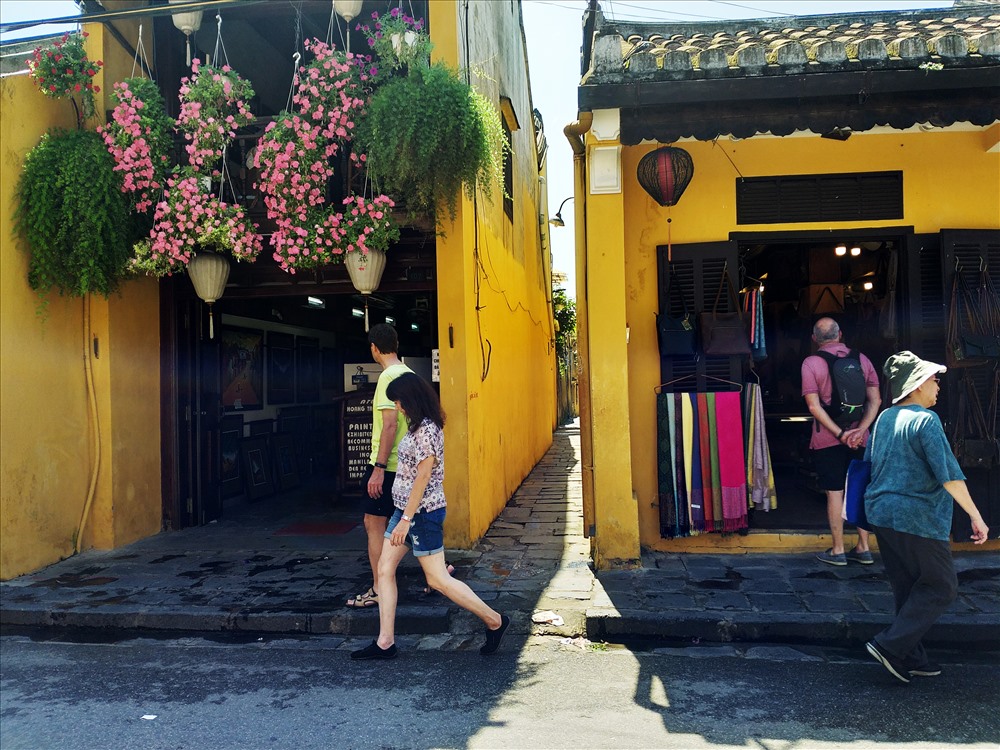
In Hoi An, some food spots are tucked inside narrow residential alleys rather than standing along the busiest tourist streets. When a small eatery in a quiet alley consistently attracts diners, especially neighborhood residents and repeat customers, it is worth paying attention. These businesses depend heavily on word of mouth and familiar customers rather than passing tourist traffic.
The shop is named after its owner
One charming feature of Vietnamese food culture is the way small eateries are named after the people running them. Instead of inventing a formal restaurant brand, owners often use a familiar form of address followed by their name. For example, co Sau, ba Bay, ba Nga. In Vietnamese, “co” is a respectful and familiar way to address an aunty, while “ba” refers to a nanny. These names make a food business feel personal. They also reveal how closely neighborhood food culture is connected to the people who prepare and serve the meals.
Notes on food allergies when eating Hoi An street food
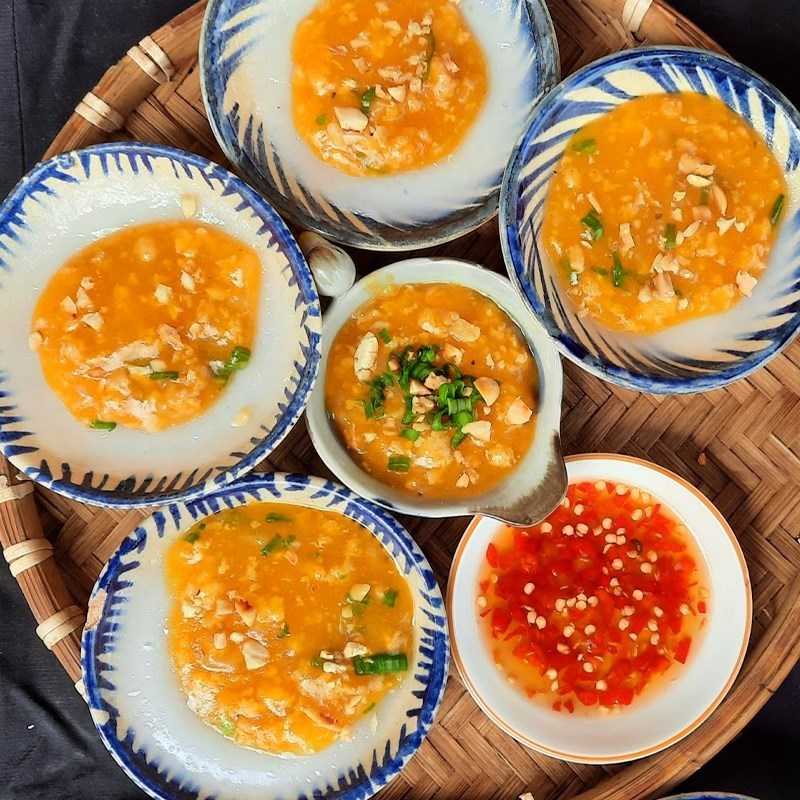
Hoi An street food uses a wide range of seafood, fermented sauces, herbs, and seasonings. If you have a food allergy, knowing the Vietnamese names of common ingredients will make ordering much easier. Two ingredients deserve particular attention: peanuts and seafood. Shellfish appears in dishes such as chao ngheu, banh beo, and banh quai vac. Fermented fish sauces are also widely used in noodle dishes, dipping sauces, and rice-paper snacks. Roasted peanuts are often added to dishes to provide a crunchy texture, but they can be problematic if you have a peanut allergy. While herbs like Vietnamese coriander and cilantro are not highly allergenic, they may not suit the palates of many international visitors. Ask the vendor about every ingredient before ordering, particularly when eating seafood dishes or meals served with fermented sauces.
For travelers with allergies, explaining the specific ingredient in Vietnamese is especially useful at small eateries. You can use these phrases:
- “Toi bi di ung voi tom.” – I am allergic to shrimp.
- “Toi bi di ung voi ngheu.” – I am allergic to clams.
- “Toi bi di ung voi dau phong.” – I am allergic to peanuts.
- “Mon nay co nuoc mam khong?” – Does this dish contain fish sauce?
- “Xin dung cho rau mui/rau ram nhe” – Please do not add coriander/cilantro
Hoi An’s food culture is an important part of experiencing the town. From historic noodle recipes to simple snacks shared with friends, every dish offers a glimpse into the everyday lives of its residents. We hope that through this article, you will be able to choose the dishes you’d like to try during your upcoming visit to Hoi An.
FAQs about Hoi An street food
What is the most famous street food in Hoi An?
Cao lau is Hoi An’s most iconic local specialty, known for its thick, chewy noodles, roasted pork, and fresh herbs. Other popular dishes include Hoi An chicken rice, banh mi, and White Rose dumplings.
Is Hoi An street food expensive?
No. Most street food dishes cost between 20,000 and 60,000 VND (approximately 0.80–2.30 USD), making Hoi An an affordable destination for food lovers.
Is street food still available in Hoi An after the 2026 sidewalk restrictions?
Yes. Although the 2026 restrictions have affected sidewalk vendors, visitors can still enjoy traditional street food at local eateries, market stalls, and established food shops throughout Hoi An.
Is Hoi An street food safe for tourists?
Yes, Hoi An street food can be safe when you choose clean eateries that prepare food fresh and serve it hot. Look for busy stalls with high food turnover and properly stored ingredients.
Can vegetarians enjoy Hoi An street food?
Yes. Vegetarian versions of banh mi, cao lau, and other Vietnamese dishes are available, but check the ingredients carefully because traditional recipes often contain meat broth, fish sauce, or dried seafood.
Is Hoi An street food spicy?
No, most traditional Hoi An dishes are mildly seasoned, with chili served separately so diners can adjust the heat. However, certain snacks, such as spicy chicken feet, are intentionally hot.
Can I explore Hoi An street food without joining a guided tour?
Yes. Many local eateries are within walking distance of Hoi An Ancient Town, allowing visitors to organize their own food tour using Google Maps and the recommended locations in this guide.
Is it better to try Hoi An street food during the day or at night?
Both offer different experiences. Morning and lunchtime are ideal for traditional dishes such as cao lau and chicken rice, while afternoons and evenings are great for grilled snacks, banh trang kep, and sweet desserts.