




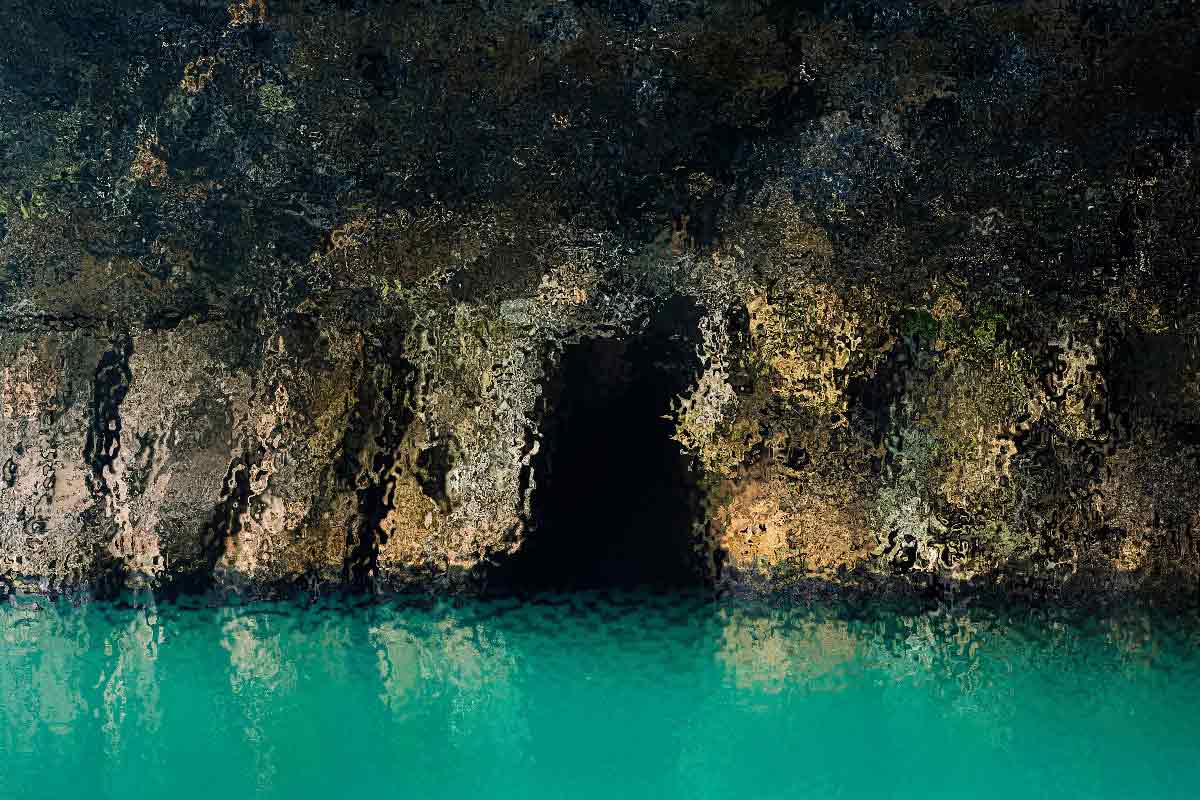
Phong Nha-Ke Bang National Park lies in north-central Vietnam, close to the border with Laos. It protects one of the oldest and largest karst landscapes in Asia and was recognised as a UNESCO World Heritage Site in 2003. Beneath its forested limestone mountains run hundreds of kilometres of caves and underground rivers.
The caves
- Phong Nha Cave – reached by boat along the Son River, which carries you directly into the cave mouth and along an underground river.
- Paradise Cave (Thien Duong) – a vast dry cave with a wooden walkway through chambers of towering stalactites and stalagmites.
- Dark Cave (Hang Toi) – an adventure cave with a zipline, a swim into the entrance and a natural mud bath.
- Son Doong – the largest known cave passage in the world. It can be visited only on a multi-day expedition with a licensed operator, and places are limited each year.
Beyond the caves
The village of Phong Nha is a relaxed base with homestays and riverside cafes. Cycling through the surrounding farmland, kayaking on the river and visiting the botanic garden are easy ways to spend a second or third day.
When to go
The dry months from roughly February to August are best for caving. From September to November heavy rain can raise river levels and close some caves, so check conditions before you travel.
Combining Phong Nha with Hoi An
Phong Nha is north of Hue, so it fits naturally into a route through Central Vietnam: Hoi An, Da Nang, Hue and then Phong Nha, or the same in reverse. The nearest city with an airport and railway station is Dong Hoi, under an hour from the park.