




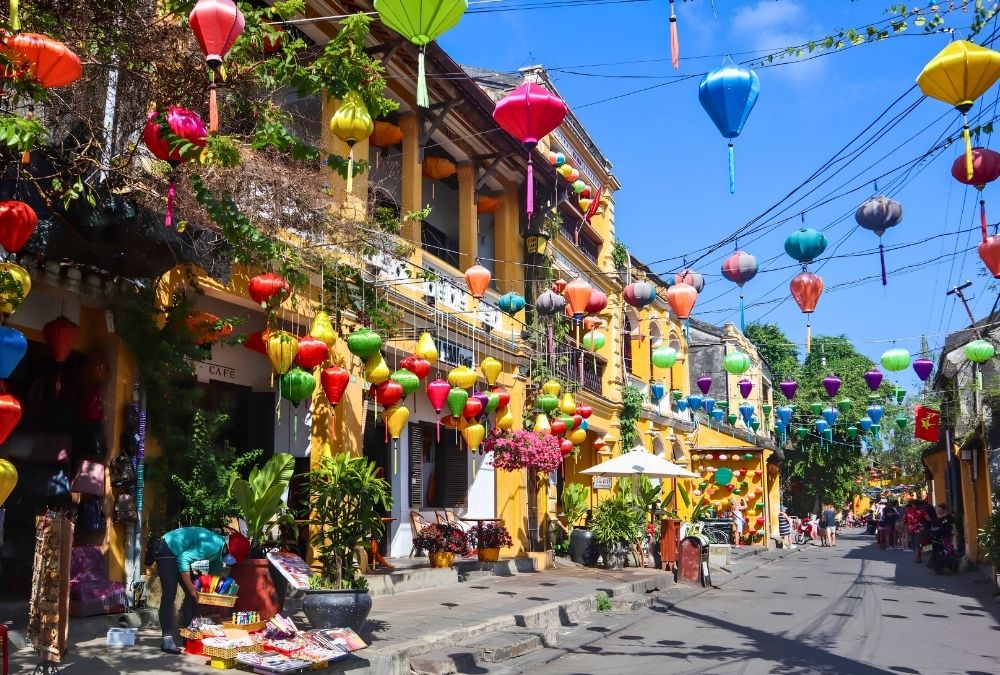
Located on the northern bank of the lower Thu Bon River, Hoi An is an ancient town in Da Nang City (it was part of Quang Nam Province until July 1, 2025, when that province merged into Da Nang), about 30 km south of central Da Nang and 122 km from Hue. Mention Hoi An and you think of rows of old turmeric-yellow houses, a river shimmering with floating lanterns at night, and delicious, affordable food.
When is the best time to visit Hoi An?
Hoi An’s climate blends features of southern and northern Vietnam, with distinct rainy and dry seasons. Each season gives the old town its own charm. The first three months of the year are the ideal time to wander around Hoi An, when the sun is not too harsh, the weather is cool, and there is occasional light rain.
From April to June is the peak of the dry season, but Hoi An’s weather is fairly pleasant because the town lies south of the Truong Son mountain range. This is also the peak tourist season.
July is still part of the dry season. August and September are the transition months: it is still lightly sunny, with scattered rain beginning and cooler nights.
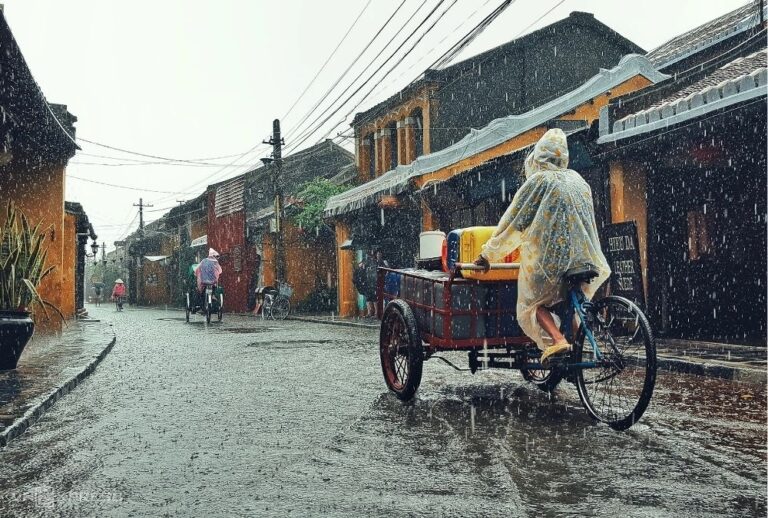
The last three months of the year are the rainy season in Hoi An, with little sunshine, heavy downpours, and occasional floods. In October 2025, floodwaters in Hoi An reached levels comparable to the historic 1964 record (Source: Tuoi Tre News). If visiting during these months, consider staying away from low-lying riverside areas such as Bach Dang Street, An Hoi Island, and Cam Nam. Leave a spare day around Cham Island trips or flights in case bad weather disrupts travel, and check the forecast before heading out.
Getting there
Vietnam Airlines, Vietjet Air, Bamboo Airlines, and others all operate flights to Da Nang. A round-trip ticket from Hanoi or Ho Chi Minh City to Da Nang costs about VND 1.5 million per person on average. Book early to get a good price and a convenient departure time.
On arriving at Da Nang Airport, you can take a shuttle bus from the airport, or a public bus, taxi, or private car to central Hoi An. Those who prefer freedom of movement can rent a motorbike in Da Nang to explore Hoi An, at around VND 150,000 per day.

If you take the bus, you can choose Route 01 Da Nang–Hoi An, which runs daily from 5:30 a.m. to 5:50 p.m. with a fare of VND 20,000 per person, or the LK-02 route, which also connects Da Nang with Hoi An Ancient Town. If you are traveling in a group of three or more and want to get from the airport to Hoi An quickly and directly, you can take a taxi or shuttle bus, with fares starting at VND 250,000 per trip.
To get around Hoi An, you can use bicycles or motorbikes rented from the hotel or homestay where you are staying. A bicycle costs about VND 30,000 per day, and a motorbike VND 120,000.
Hotels and homestays
Hoi An has its own beauty in every season, but summer still attracts the most visitors. If you travel then, research places to stay and book as early as possible for better prices, especially for weekends.
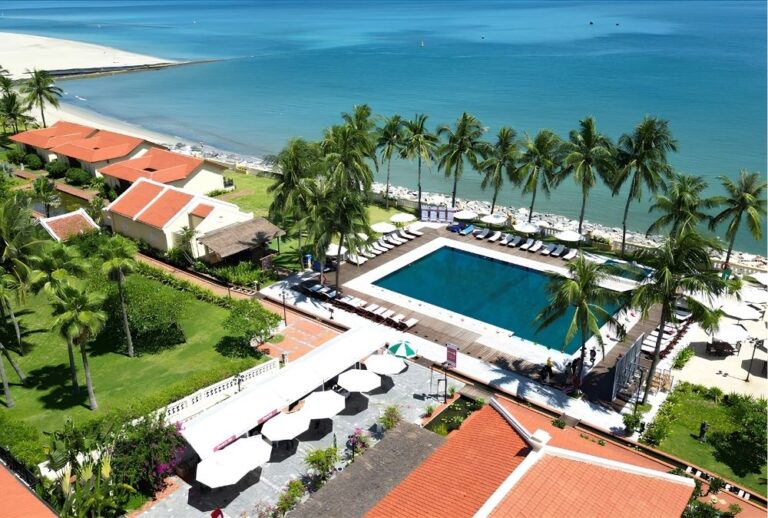
Four- and five-star hotels and resorts here cost from about VND 2.5 million upward per night for a double room. Hoi An has an increasing number of new resorts in beautiful locations, such as Cam Chau Ward, the An Bang coast, and Cua Dai.
Homestays in Hoi An have also sprung up rapidly in recent years and can serve all kinds of travelers, from solo visitors to groups and families. More than just a clean place to sleep, homestays are carefully designed, with unique architecture and interiors, pretty gardens, and spacious, airy rooms. Homestay prices in Hoi An are very low and do not fluctuate much even in peak season, starting from VND 200,000 per night for one person.
Some beautiful homestays that young people recommend to each other include Maison de Tau, Under The Coconut Tree, An Bang Beach Hideaway, Heron House, and Le Bleu.
Where to go
Cafes
Besides herbal drinks, the tea and coffee in Hoi An are just as good. Moreover, each tea shop and café in the old quarter has its own appeal.
Many are tucked inside houses that are hundreds of years old. Some are on rooftops, where guests can sip their drinks while looking out over the town, and others are staffed entirely by hearing-impaired employees.
Those who like to see Hoi An from above can go to Faifo Café, on the third floor of a house on Tran Phu Street. If you want a quiet atmosphere, you can visit the Reaching Out tea house, or enjoy ice cream with delicious coffee at Hoi An Roastery.

If you take the trouble to explore the alleys of the old town, you will also discover many tea shops and cafés that are both authentically Hoi An and modern, attracting quite a few foreign visitors.
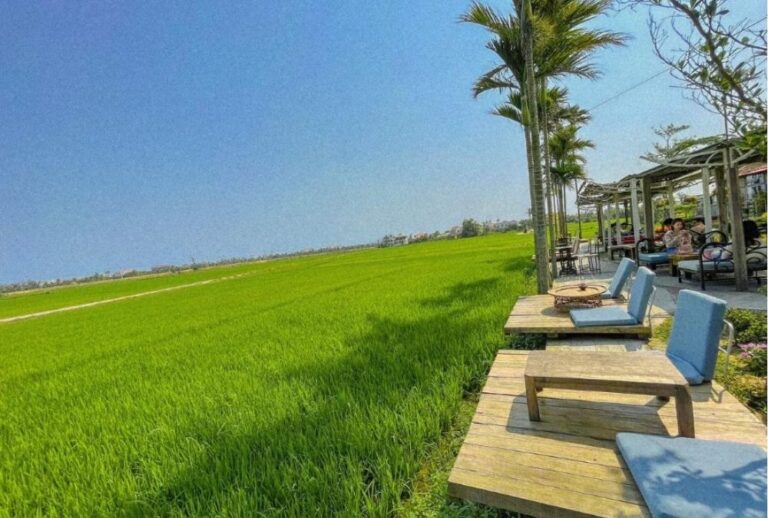
Four to seven kilometers from the town center, visitors can discover cafés set among rice fields, such as Roving Chillhouse, Xom Chieu Café, and Lo Gach Cu Café, and enjoy the fresh air.
The old town
The old town of Hoi An alone is a place where you could walk until your legs ache and still not run out of photo spots. Every old street and corner, every row of turmeric-yellow plastered houses, is an interesting place to stop, take photos, and learn about local culture.
The standard Old Town ticket costs VND 120,000 per foreign adult and VND 80,000 per Vietnamese national. It includes five coupons that can be used to enter five of the 22 ticketed heritage sites, such as the Japanese Covered Bridge, Fujian Assembly Hall, and ancient houses like Tan Ky and Phung Hung (Source: Bao Tuoi Tre). The ticket also covers street art performances, traditional games, the night market, and other activities held after 7 p.m.
Tickets are available at official counters, including locations behind the Japanese Covered Bridge, at An Hoi Bridge, on Hai Ba Trung Street and Le Loi Street, and at the Heritage Conservation Center at 10B Tran Hung Dao Street. Buy directly from official booths and carry cash. Be cautious of people in vaguely official-looking shirts around Tran Phu Street or the Japanese Covered Bridge who ask to inspect your ticket.
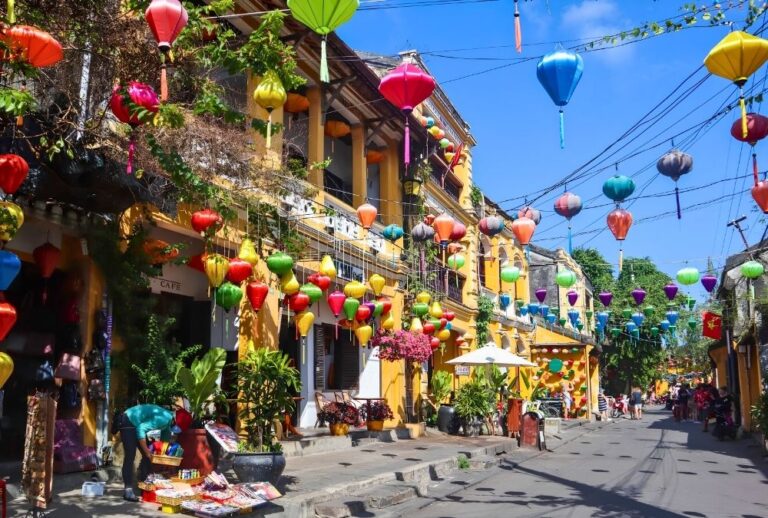
Activities on the Hoai River are usually liveliest from 6 p.m. to 10 p.m. To take a boat ride, you can rent a boat for VND 200,000 and buy floating lanterns to release for VND 10,000 each.
At night in the old town, you can stroll across the bridges to watch the town light up, listen to live music in bars and cafés, or watch famous shows such as Suong Som (Morning Mist), A O Show, Teh Dar, or Hoi An Memories.
Read more: Hoi An Ancient Town Walking Tour
Beaches
An Bang Beach is in Cam An Ward, 3 km from central Hoi An. The sea is clear, blue, and clean, and not too crowded, with just enough space to feel relaxed. In 2011, An Bang Beach was named by CNN one of the 50 best beaches in the world.
Ha My Beach was named one of the 10 best beaches in Asia by Britain’s Telegraph in 2017. Located 3.5 km from An Bang, 6 km from the Marble Mountains scenic site, and almost 7 km from central Hoi An, Ha My is not especially striking but still has its own peaceful, appealing character. Although it is quite far from the center, Ha My has no shortage of homestays, hotels, and resorts to choose from.
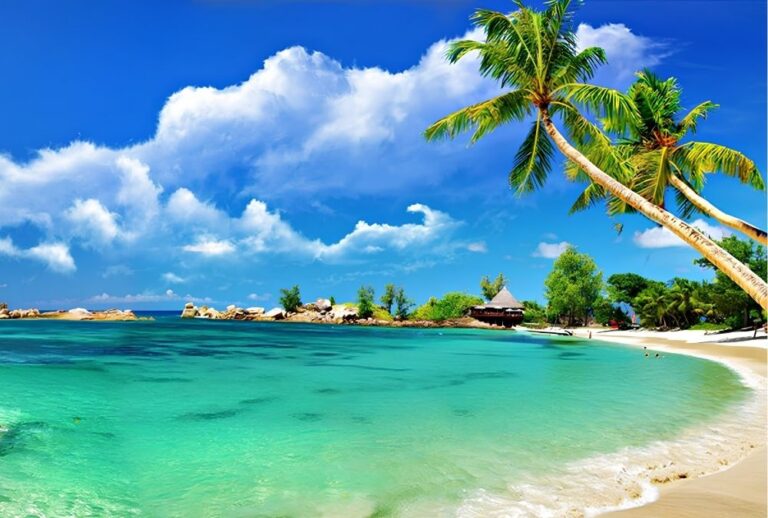
Cua Dai Beach is a familiar destination in Hoi An and was voted one of Asia’s top 25 beaches by Tripadvisor in 2013. Located 5 km from central Hoi An, it is a broad beach of several dozen hectares with fine white sand, clear blue water, and gentle waves. Visitors can lie on the sand for hours sunbathing and listening to the murmur of the waves, go fishing near the shore, hire a boat to drift along with local fishermen, or take part in water sports.
Cham Island
Starting from Hoi An, there are two ways to reach Cham Island: by speedboat or by wooden boat. Speedboats usually depart from Cua Dai and arrive at Cham Island in only about 20 minutes, with 2026 fares of about VND 190,000–300,000 per person one way, usually sold as a round trip of roughly VND 500,000–600,000. Wooden boats depart from Bach Dang Wharf and take almost 2 hours, but are cheaper, at about VND 50,000–80,000 per person, with an additional VND 30,000 for each motorbike you bring along.
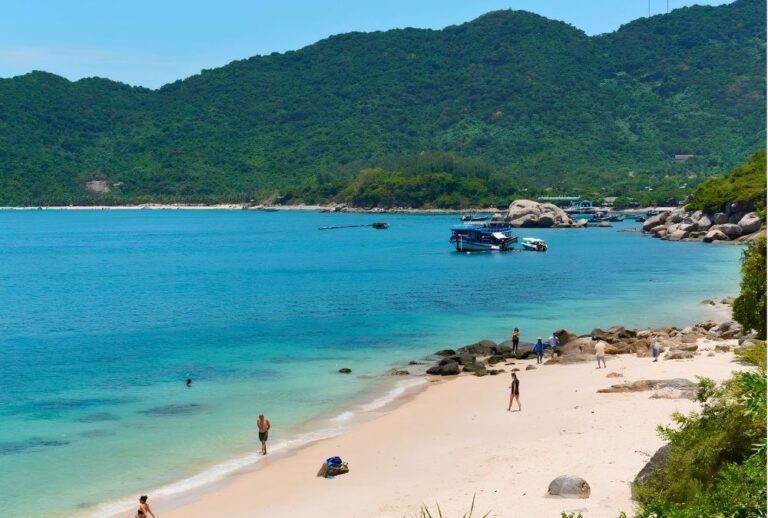
Accommodation on Cham Island consists mainly of homestays, guesthouses, and tent rentals, averaging VND 100,000–150,000 per room for 1–2 guests. Tent rental costs around VND 100,000 per night.
Besides food and lodging, the guesthouses and homestays here also offer marine tourism services on Cham Island, such as meals, vehicle rental, boat tours around the island, snorkeling to see coral, fishing, and seabed walking.
Attractions include the Cham Island Marine Museum, Hai Tang Pagoda, the ancient Cham well, Tan Hiep Market, Yen (Swiftlet) Island, the swiftlet nest-harvesting ancestral temple, Da Chong Beach, and more.
Craft villages
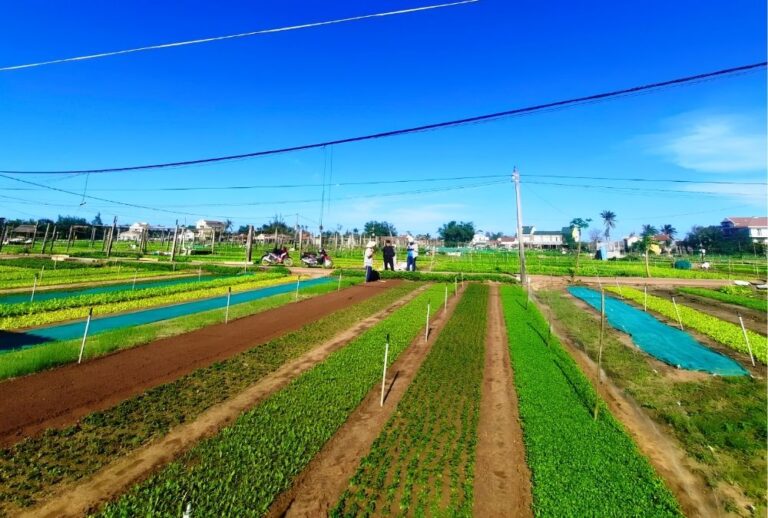
Tra Que vegetable village is famous for its fresh, delicious vegetables grown in fertile soil. The village is in Cam Ha Commune, 3 km from central Hoi An. Visitors here can learn about dozens of varieties of leafy vegetables and herbs.
Visitors can also experience real farming life by tilling the soil, planting, and harvesting vegetables themselves. Afterward, they can enjoy Hoi An specialties prepared with the freshly harvested produce, such as banh vac (white rose dumplings), hen tron (baby clam salad), tom huu, Quang noodles, and cao lau.
Thanh Ha pottery village dates back to the late 15th century and lies about 3 km west of Hoi An’s old town, right beside the Thu Bon River. The village’s products include not only pots, bricks, tiles, and dishes, but also many unique souvenirs. Visitors can learn about the craft and shape their own pottery pieces by hand.
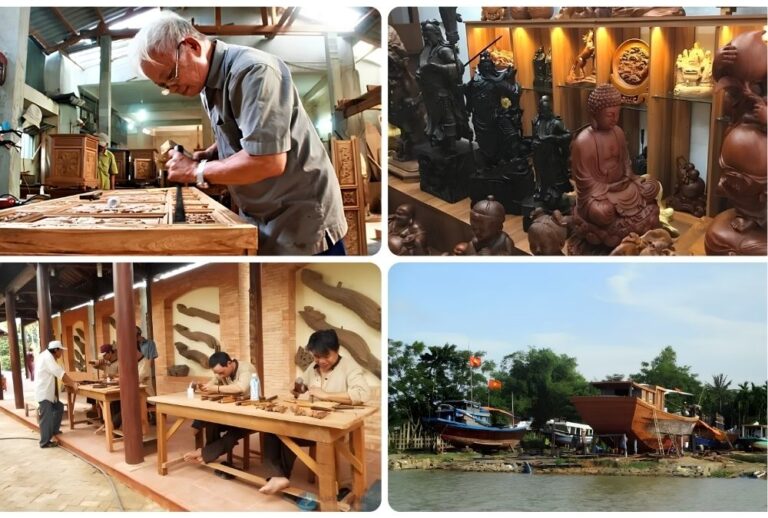
Kim Bong carpentry village is more than 600 years old. It is famous for producing exquisite, distinctive woodwork, from houses to boats, and today for decorative, artistic, and souvenir items.
Phuoc Kieu bronze-casting village is up to 400 years old. In Phuoc Kieu, visitors will see many bronze products used in ceremonies and festivals as well as everyday household items. Besides admiring the unique, finely crafted products, visitors can watch villagers cast bronze and buy bronze items as souvenirs.
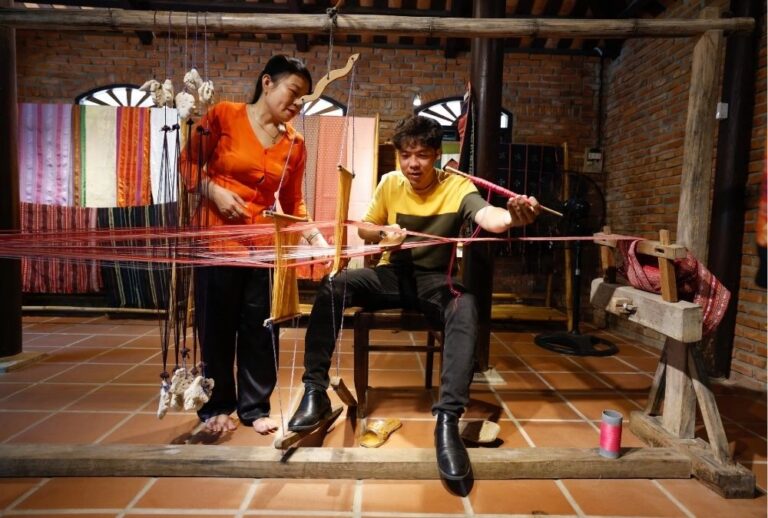
Cam Phu community tourism village, in Dien Phong Commune, Dien Ban Town, is about 15 km from Hoi An. It is a land rich in cultural values and distinctive traditional crafts such as wood carving, flower growing, silk reeling and weaving, and silkworm raising. Visitors can experience the countryside scenery, tour carpentry and weaving workshops, and watch locals demonstrate fishing and shrimp-catching on the Thu Bon River.
Bay Mau Coconut Forest
Following the Hoai River for more than 3 km from the center of Hoi An’s old town, you reach the Bay Mau water coconut forest, spanning more than ten hectares in Cam Thanh Commune. Basket-boat rides through the coconut forest began appearing in Cam Thanh a few years ago and have gradually become an indispensable “specialty” of Hoi An tourism.
Each boat may carry a maximum of two people. For VND 200,000 per person, visitors sit in a basket boat and weave through the waterways, with lush green coconut palms on both sides, for about an hour.
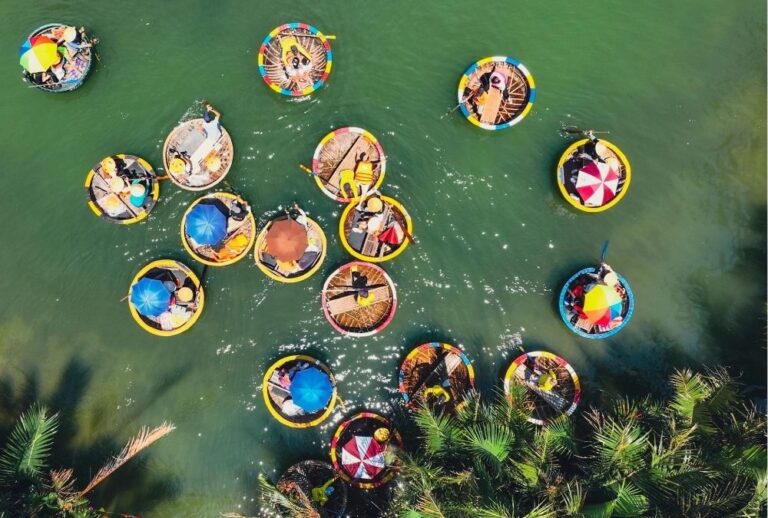
Besides the basket-boat ride, visitors can watch boat-dancing performances and learn to make small, charming souvenirs from water coconut leaves, such as flowers, grasshoppers, bracelets, glasses, rings, and hats. If you visit Bay Mau in the eighth lunar month, you can enjoy ripe water coconuts with crisp, sweet flesh.
Read more: Cam Thanh Water Coconut Forest Eco Tour
Suggested itinerary
In a sample itinerary shared by a traveler named Linh in a Hoi An travel discussion, she recommends spending four days exploring the Ancient Town, nearby craft villages, local beaches, and Cham Island. This looks like a well-balanced itinerary for first-time visitors who want to experience both Hoi An’s cultural heritage and coastal scenery without rushing.
- Day 1: Arrive in Hoi An and explore the Ancient Town, including its assembly halls, historic houses, and local food spots.
- Day 2: Visit nearby craft villages, watch the sunset, and enjoy fresh seafood at An Bang Beach.
- Day 3: Take a day trip to Cham Island to experience island life and enjoy the coastal scenery.
- Day 4: Visit Bay Mau Coconut Forest before heading back to Hanoi or Ho Chi Minh City.
Specialties
In Hoi An, visitors never need to worry about going hungry or lacking choices. From early morning until late at night, the streets are filled with eateries welcoming bustling crowds of diners. Prices are very “friendly”: sweet soups (che) sold on the sidewalk cost only VND 5,000–10,000 a cup, a banh mi sandwich VND 15,000–25,000, and a bowl of cao lau or Quang noodles just VND 25,000.
Famous places that both Vietnamese and foreign visitors should not miss include Ba Buoi chicken rice, Phuong banh mi, Madam Khanh banh mi, Gieng Ba Le banh xeo (sizzling pancakes), vegetarian rice at Hoi An Market, Mot Hoi An herbal drinks, and Thanh cao lau. For a taste of one of Hoi An’s most famous sandwiches, visit Banh Mi Phuong at 2B Phan Chu Trinh Street, known for its crispy baguettes and flavorful fillings.
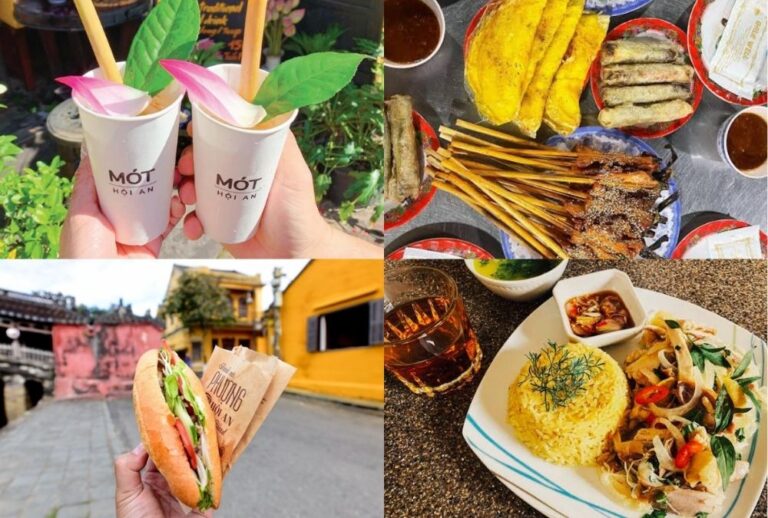
Hoi An’s sidewalk snacks, especially the sweet treats, are too numerous to count. Those with a sweet tooth should try tube ice cream, various kinds of che xoa xoa, lotus seed che, hyacinth bean che, tao pho (silken tofu pudding), mango cake, banh da heo (layered steamed cake), and more.
What to buy as gifts
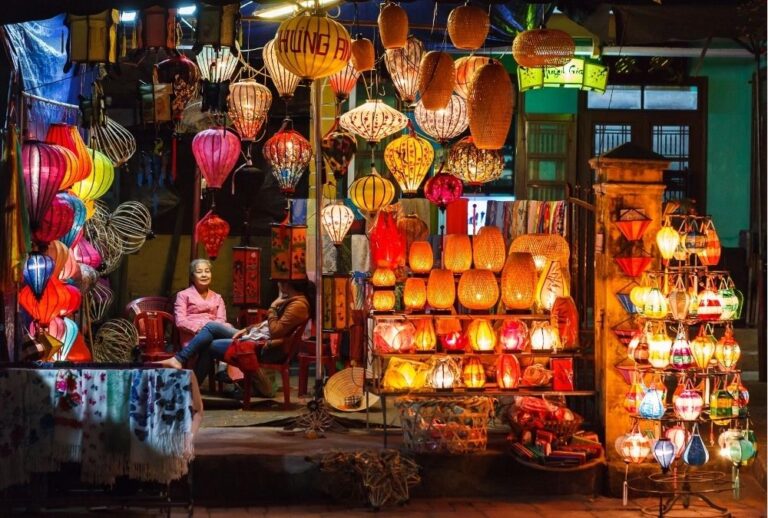
Lanterns are the gift most closely associated with Hoi An. It is best to buy them from large shops that make and sell on the spot, so you have a wide choice of styles, sizes, and materials.
Bronze statuettes are sold everywhere in the old town, priced from VND 130,000 to 350,000 depending on size. They are all products of the renowned Phuoc Kieu bronze-casting village of Hoi An.
Clay “to he” figurines are a product of Thanh Ha pottery village in Hoi An. They do not come in many designs, but are still a popular souvenir because they are cheap, at around VND 5,000.

Hoi An’s craft villages are also famous for wood carvings. The artisans all come from Kim Bong carpentry village, and some have opened workshops right in the old town. Prices range from VND 120,000 to 300,000 per item.
Hoi An silk is cool, light, and soft. Besides ready-made clothes, bags, and scarves, you can order custom-designed garments from the town’s express tailors and receive them in just one day. An average silk scarf costs VND 150,000.
If you want to buy Hoi An food as gifts, mung bean cakes, banh thuan, banh phu the (husband-and-wife cakes), and chili sauce are also good choices.
Frequently asked questions about Hoi An
How far is Hoi An from Da Nang and Hue?
Hoi An is over 30 km from Da Nang and around 122 km from Hue.
How much does accommodation cost in Hoi An?
Homestays start at VND 200,000 per night, while four- and five-star hotels or resorts start at around VND 2.5 million per double room.
Do I need a ticket to visit the old town?
Yes. Tickets cost VND 120,000 per foreign adult and VND 80,000 per Vietnamese national, and cover five of the ticketed heritage sites plus evening cultural activities.
Which beach is best near Hoi An?
Cua Dai is about 5 km from the center, An Bang about 3 km, and Ha My nearly 7 km. An Bang is popular for its white sand, while Ha My is quieter.
How do I get to Cham Island, and how much does it cost?
Speedboats from Cua Dai take around 20 minutes and cost about VND 190,000–300,000 per person one way (usually VND 500,000–600,000 return). Wooden boats from Bach Dang Wharf take nearly two hours and cost VND 50,000–80,000.